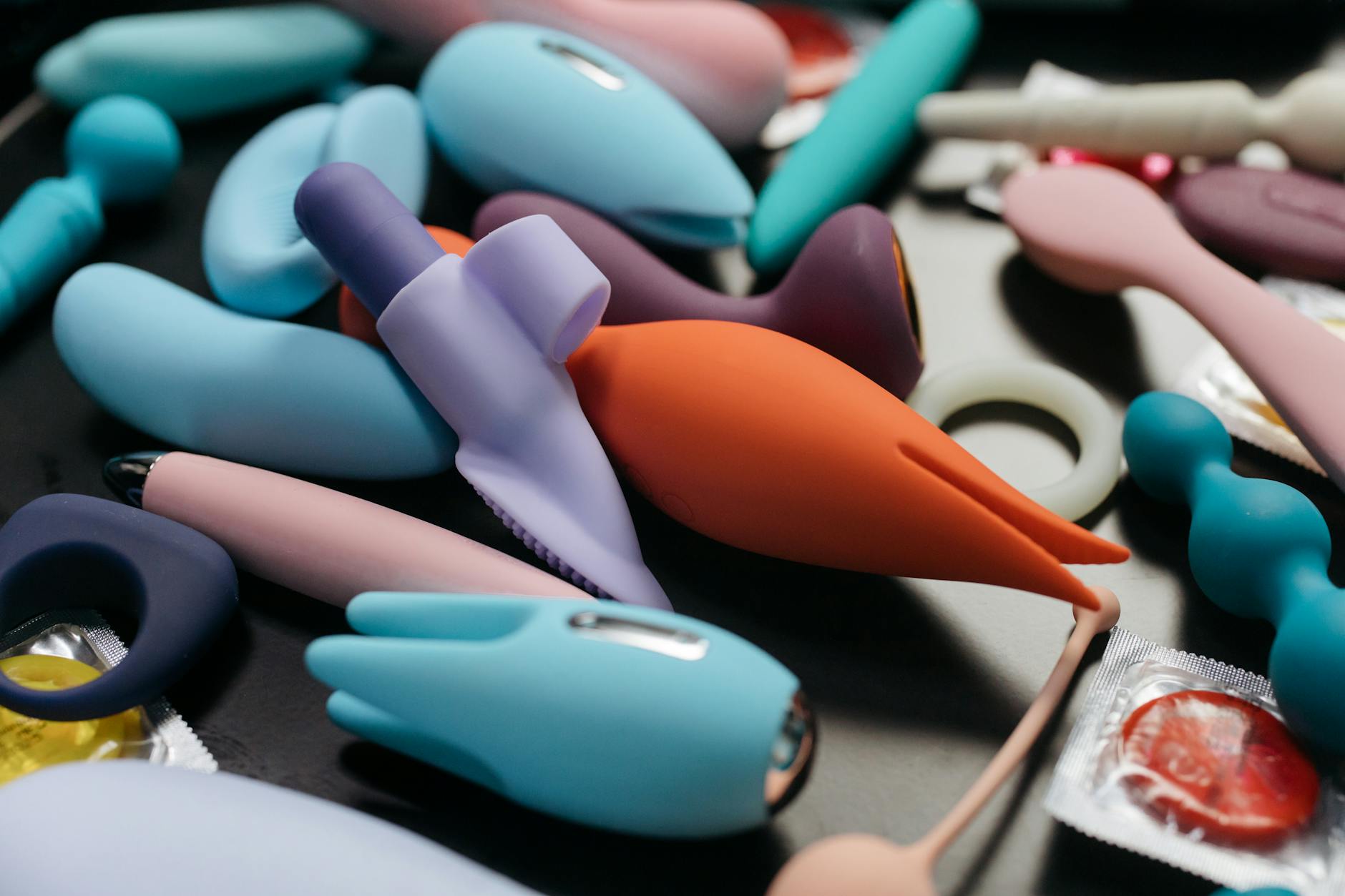
Here's what nobody tells you about pleasure and your cycle
Your body is not the same every week. That's not a metaphor. Estrogen and testosterone rise and fall on a predictable schedule, and when they shift, so does sensation. The way a lemon vibrator or any clitoral vibrator feels on day 5 of your cycle is measurably different from how it feels on day 20. This isn't weakness or inconsistency. It's biology.
Most people ignore this entirely. We treat our bodies like appliances that should work the same way every single day. Then we get frustrated when they don't.
Let me break down what actually happens, so you can stop fighting it and start using it.
The follicular phase: your arousal window
This runs roughly from day 1 of your period through ovulation, around day 14. Estrogen is climbing, and so is your baseline sensitivity.
During the first few days (your period), blood flow is heaviest to the whole pelvic region. Ironically, this often makes sensation sharper and orgasms more intense for some people, even though the texture and ease of use might feel different. If you're using a lemon sucker or lemon clitoral vibrator during your period, you might notice the pattern feels more intense than it would mid-cycle. That's not your imagination.
As estrogen rises through the follicular phase, a few things shift. Your skin gets slightly more lubricated naturally. The pelvic floor tends to relax a little. Arousal builds faster. This is often the sweet spot for trying new sensations or turning up the intensity on your clitoral vibrator of choice. The lem vibrator, with its suction-based design, often feels particularly responsive during this window because your tissues are plumper and more responsive to gentle stimulation.
Many people report that patterns 3 and 4 feel amazing during the follicular phase, whereas during other phases they might prefer patterns 1 and 2. It's not random.
The ovulation window: peak sensitivity
Round about day 12 to 16, testosterone peaks alongside estrogen. This is the narrowest, most intense sensitivity window of the cycle.
During ovulation, clitoral sensation is at its sharpest. Blood flow is highest. Arousal comes fastest. If you use a lemon vibrator at all during your cycle, ovulation week is when you'll notice the biggest difference in how quickly you respond and how intense sensation feels.
For some people, this means using lower intensity settings because the vibrator feels almost too strong. For others, this is when they finally feel sensation intensely enough to reach orgasm reliably. The variation here is huge, which is why cycle tracking actually matters.
If you've ever wondered why a clitoral vibrator sometimes feels perfect and other times feels like it's just not hitting the same way, cycle timing is probably the answer. Your body isn't broken. Your hormones just went down.
The luteal phase: the long game
After ovulation, from roughly day 15 to 28, progesterone rises and estrogen dips slightly. This is when things get interesting, because your body asks more from stimulation.
Progesterone can blunt sensation a little. Your pelvic floor naturally tightens. Arousal takes longer to build. Some people describe this as numbness, but it's more accurate to call it recalibration. Your nervous system is simply less excitable.
This doesn't mean pleasure disappears. It means you need to adjust your approach. This is when a lemon clitoral vibrator's consistent pulsing pattern, rather than a wand's broad oscillation, can feel more satisfying because you need more focused stimulation to register sensation. Some people move back to patterns 1 and 2 during the luteal phase because patterns 4 and 5 feel harsh or irritating on less-sensitive tissue.
The luteal phase is also when people often report needing longer warm-up time. That's not failure. That's physiology. Budget 20 to 30 minutes instead of 10, and you'll likely find pleasure is absolutely still there.
How lubrication changes across your cycle
Cervical mucus isn't just a fertility signal. It tells you something real about tissue hydration and readiness.
During the follicular phase and especially around ovulation, natural lubrication is abundant. The clitoris and vulva are plumper and more naturally lubricated. Using a lemon sucker or similar clitoral vibrator feels easiest during this window because the tissue is already primed.
During the luteal phase, especially the week before your period, natural lubrication decreases. The tissue gets slightly thinner. This is when water-based lubricant actually makes a measurable difference in comfort. It's not a sign something is wrong. It's a sign you need one small external adjustment.
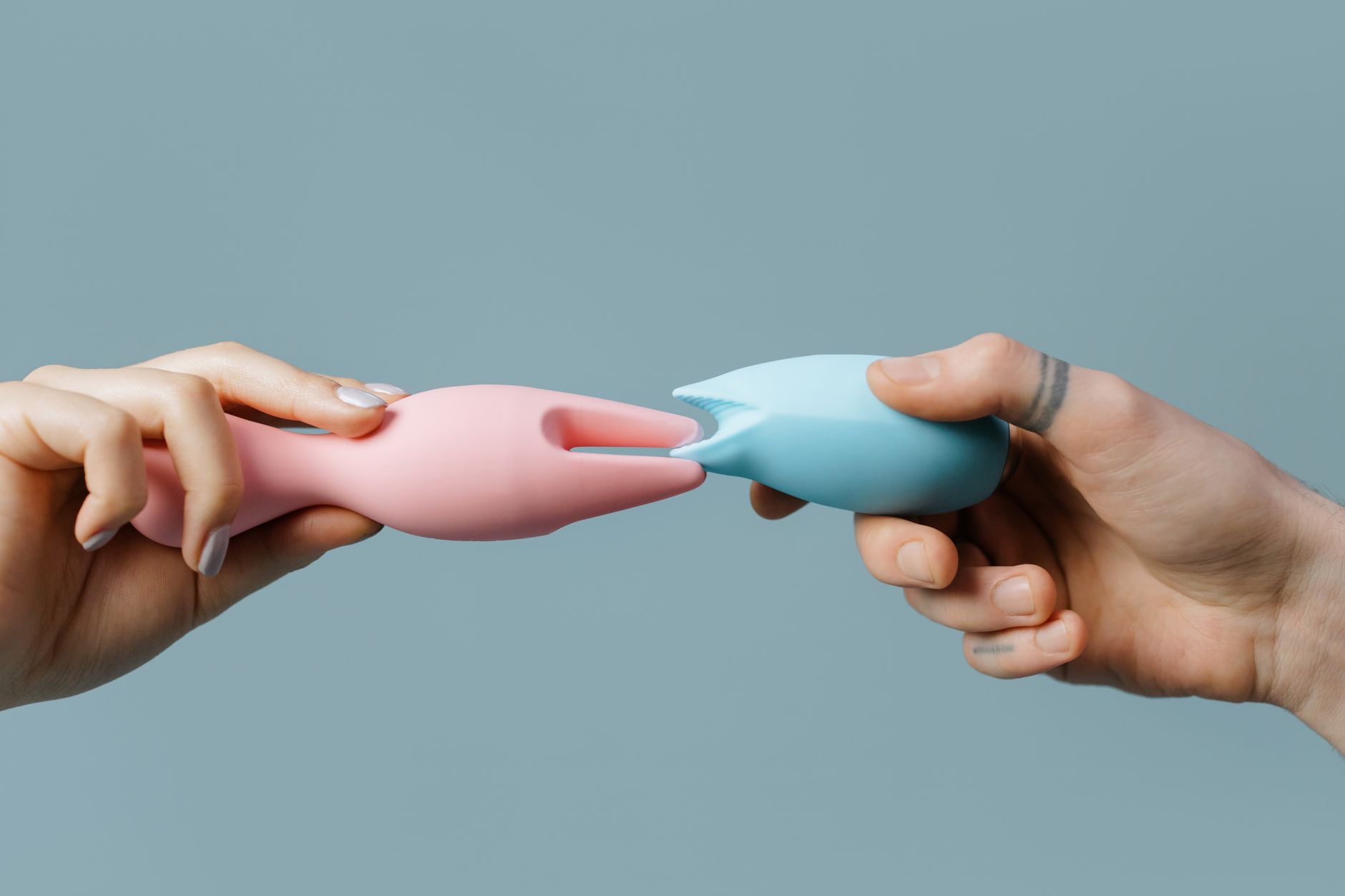
Photo by cottonbro studio on Pexels
The pain factor: why sensation can change
Some people experience increased clitoral sensitivity or mild discomfort with direct stimulation during certain cycle phases. This is usually worst in the luteal phase because tissue is less lubricated and the pelvic floor is naturally more tense.
If direct clitoral vibration feels uncomfortable during your luteal phase but feels great during your follicular phase, you're not broken. You're noticing that your body has different needs at different times. This is when switching to a broader vibration pattern, or using a vibrator indirectly (stimulating around the clitoris rather than directly on it), often helps. Some people find the lem vibrator's suction design more comfortable during less-sensitive phases because it spreads pressure across a wider area instead of intense direct contact.
Why tracking actually helps
I'm not talking about predicting fertility. I'm talking about understanding your own pleasure better.
Keep a simple note on your phone or calendar: day of cycle, which vibrator intensity you preferred, how fast arousal happened, whether you needed extra lubrication. After three cycles of tracking, patterns emerge. You'll know that days 10 to 16 are your peak sensation window. You'll know that during days 24 to 28, you need pattern 2 instead of pattern 4. You'll know that water-based lubricant during the luteal phase makes the difference between discomfort and pleasure.
This isn't obsessive. It's just honoring the fact that your body is dynamic, not static.
When to use a lemon vibrator across your cycle
There's no rule that says you can only use a clitoral vibrator during certain phases. But here's what I tell most people:
Follicular phase and ovulation. This is your exploration and intensity window. If you want to try a new sensation or higher setting, do it here. Your body is primed to respond well.
Luteal phase. This is when consistency and patience pay off. Lower intensity, longer warm-up, plenty of lubrication, and pressure on the broader vulva instead of just direct clitoral contact often work better. A <a href="/blog/why-lemon-clitoral-vibrators-work-better-than-wands-for-sensitive-tissue">lemon clitoral vibrator works better than wands for sensitive tissue</a> precisely because the focused suction can feel less jarring on lower-sensitivity phases.
During your period. Some people find this the most intense sensation window of the month and lean into it. Others prefer to take a break. Both are fine. If you do use a vibrator during menstruation, know that blood flow is high enough that sensation is often sharper, and wash your vibrator afterward (or use a barrier like a condom if that feels more comfortable).
The conversation with your partner
If you're with a partner, cycle awareness changes everything about managing mismatched desire.
Your partner's hormones don't cycle the same way, which means when you're in your high-sensation window, they might be in a lower-energy phase, and vice versa. Instead of taking that personally, you can say: "This week, I'm in my peak arousal window. Let's plan for that." Or: "During my luteal phase, I need extra time and lube. That's what works for me right now."
This isn't about forcing sex on a schedule. It's about recognizing that if you want good sex with a partner, you sometimes have to work together across two different cycles instead of pretending both of you are the same every day.
FAQ: Lemon Vibrators and Your Cycle
Can I use a lemon clitoral vibrator during my period?
Yes. Many people find the increased blood flow during menstruation actually makes sensation sharper and orgasms more intense. If you're comfortable with period sex, you're usually comfortable with using a vibrator during your period. Wash it afterward or use a condom over it if that feels cleaner to you. Blood is not harmful to silicone.
Why does my lemon vibrator feel too strong during my luteal phase?
Progesterone reduces sensitivity and your pelvic floor naturally tightens, making direct vibration feel more intense on less-responsive tissue. Switch to lower intensity settings, use it indirectly (on the broader vulva rather than just the clitoris), or add plenty of lubrication. <a href="/blog/how-to-use-a-lemon-vibrator-when-your-pelvic-floor-is-tight">How to use a lemon vibrator when your pelvic floor is tight</a> covers strategies that work especially well during this phase.
Does ovulation really change how orgasms feel?
Yes. Peak testosterone during ovulation sharpens clitoral sensation dramatically. Many people report faster, more intense orgasms around ovulation compared to other cycle phases. This is measurable, not psychological.
Should I use a lemon sucker differently based on my cycle phase?
The core technique doesn't change, but your intensity settings probably should. During the follicular phase and ovulation, higher settings feel better for most people. During the luteal phase, lower settings with longer warm-up time tend to feel more comfortable and satisfying.
Why is natural lubrication different at different times of my cycle?
Estrogen controls cervical mucus production and overall vulval hydration. During the follicular phase and ovulation, estrogen is high, so lubrication is abundant. During the luteal phase, estrogen drops, so lubrication decreases. This is why water-based lubricant becomes more important in the week or two before your period.
Can cycle tracking help me understand my pleasure better?
Absolutely. Three cycles of simple tracking (day of cycle, vibrator intensity preference, how fast arousal happens) reveal patterns in your own sensation. Once you know your patterns, you can anticipate what your body needs instead of getting frustrated when sensation shifts.
The bigger picture
Your hormones are not your enemy. They're information.
When you understand how your cycle affects sensation and arousal, you stop blaming yourself for not feeling the same way every day. You stop thinking something is broken. You start saying: "Oh, I'm in my luteal phase. Of course I need more time and different settings."
That shift from shame to understanding is the real difference. Your pleasure matters. Your body's natural rhythm matters. Working with that rhythm instead of against it is how you actually get good at knowing yourself.
If you're using a lemon clitoral vibrator or any clitoral toy, cycle awareness makes the whole experience better. You'll use it smarter, feel less frustrated, and actually understand why some days it's the perfect tool and other days you need a totally different approach.
Your body isn't inconsistent. It's just honest about what it needs right now. Pay attention to that.