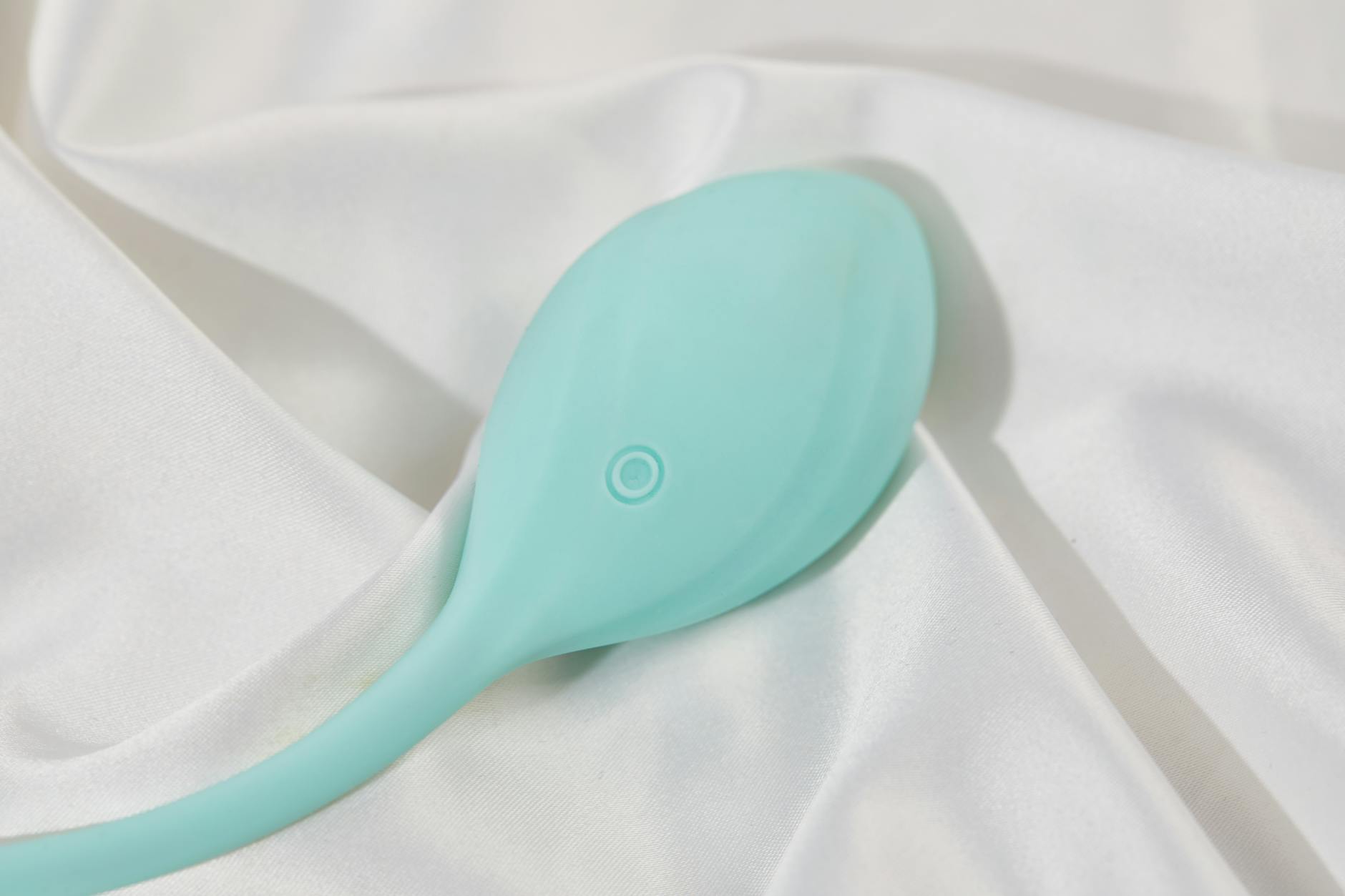
How Lemon Vibrators Improve Pleasure With Thin Clitoral Tissue
The tissue thing nobody explains
Let's be real. If you've got thin clitoral tissue, most vibrators feel like too much. A bullet vibrator designed for general audiences doesn't care about your anatomy. Neither does a standard wand. They vibrate with one speed and one pressure profile, which works fine for people with thicker tissue but turns into a janky, almost painful experience for you.
Here's what actually changes when tissue is thin or more delicate: the nerve endings sit closer to the surface, blood vessels are more prominent, and the whole area is more reactive. That sounds like it should mean more pleasure, and it can. But it also means aggressive vibrations feel harsh instead of good.
That's where lemon vibrators, with their unique suction mechanism, become genuinely different from everything else on the market.
Why suction beats traditional vibration for thin tissue
A lemon clitoral vibrator uses gentle suction combined with micro-vibrations. This is fundamentally different from the friction-based approach of bullets and wands.
With a traditional vibrator, you're applying repeated friction directly to delicate skin. The thinner your tissue, the faster that goes from pleasant to uncomfortable. Some people describe it as overstimulation that happens almost immediately. Others say it feels raw or irritating even at low settings.
Suction works on a completely different principle. Instead of vibrating against tissue, it creates a gentle vacuum that draws the clitoris slightly upward into the stimulator. The micro-vibrations happen against that lifted tissue, not the external surface itself. This distributes pressure differently and protects the most sensitive outer layers.
For thin tissue, this matters hugely. The sensation is intense without being harsh. You get strong stimulation targeted at the nerve-dense structures inside the clitoris while protecting the surface tissue from direct friction.
The sensation profile is actually better
Here's something I've heard repeatedly from people using lemon vibrators after years of struggling with other toys: the orgasms feel different, and better.
With traditional vibrators on thin tissue, people often report that pleasure tops out at a certain point. You can feel good, but you can't push into deeper sensation without it becoming uncomfortable. There's a ceiling, and you hit it fast.
With a lemon clitoral vibrator, that ceiling lifts. Because suction is pulling tissue inward rather than vibrating against the surface, you can gradually increase intensity without pain. The sensation changes instead of just getting louder. Many people reach orgasm more easily because they're not fighting discomfort on the way there.
I've worked with clients who couldn't orgasm from vibration at all until they switched to a lemon vibrator. That's not placebo. That's anatomy working with technology instead of against it.
Starting out: the right approach
If you're considering a lemon vibrator because you have thin tissue, here's what I recommend.
Start at the lowest suction level and the slowest pattern. Seriously. You don't need to go full intensity to feel it. Thin tissue means heightened sensitivity, which is actually an advantage if you use it right. Spend time at settings 1 and 2. That's not wasting time. That's learning your own response.
Warm up first. Five to ten minutes of foreplay before you introduce the toy. Blood flow to the area makes tissue slightly plumper and more resilient, which reduces that raw feeling some people get with thin tissue.
Use water-based lubricant. This does two things: it helps the suction seal work smoothly, and it creates a protective layer between your skin and the toy opening. That small barrier makes a significant difference in comfort.
Your first session shouldn't be about reaching orgasm. It should be about figuring out which patterns feel good and which feel annoying. Some patterns are heavier on suction (more drawn sensation), others lean into the vibrational rhythm. Your thin tissue might prefer one over the others. Give yourself permission to explore.
The role of pelvic floor tension
Here's something that matters more than people realize: thin tissue often comes with pelvic floor tension. And tension makes everything feel more sensitive and sometimes painful.
When your pelvic floor is tight, blood flow to the clitoris decreases. The tissue becomes less elastic. Stimulation that would feel good on a relaxed pelvic floor feels aggressive and uncomfortable.
Before using any vibrator, spend a minute on pelvic floor relaxation. Not Kegels. The opposite. Breathe slowly. On the exhale, imagine your pelvic floor softening and dropping. Think of it like an elevator going down. This takes about sixty seconds and completely changes how sensation feels.
A lemon vibrator won't fix tight pelvic floor muscles, but relaxation work makes whatever toy you're using feel better. Combined with the gentler suction approach, you've got a much more pleasant experience.
When thin tissue actually has other causes
Thin clitoral tissue can come from several sources. Hormonal changes, especially estrogen drop, thin the tissue over time. Aging does this. Certain medications do. Allergic reactions to toy materials can make tissue inflamed and feel thinner even if it's not structurally thinner.
If your tissue thinned recently and feels painful or raw, that's worth checking with a doctor. Genitourinary syndrome (GSM) is real and common and highly treatable. A topical estrogen cream used for a few weeks can restore tissue thickness and completely change how stimulation feels.
That said, even people using estrogen cream often prefer lemon vibrators because of the suction mechanism. It's gentler overall, which means longer, more pleasurable sessions.
How Hello Nancy tools fit this picture
When you're working with thin tissue, the design of the toy itself matters more than the brand name. But lemon vibrators specifically, including those from Hello Nancy, are engineered around this exact problem: how to deliver intense pleasure without harshness.
The suction strength on a quality lemon vibrator is calibrated so that it stimulates without pulling too aggressively. The vibration patterns vary in rhythm and intensity, giving you actual options instead of one-size-fits-all speed. The opening is designed to create a seal without requiring your tissue to be thick or elastic.
That intentional design is why many people transitioning from traditional vibrators to lemon clitoral vibrators report that they finally feel comfortable and still get strong sensation.
The comparison that matters
If you've used a bullet vibrator on thin tissue, you know the problem: it's just too much friction in a tiny area. A wand vibrator sometimes works better because it spreads vibration over a larger surface, but even then, the intensity can feel harsh.
A lemon vibrator handles this differently because suction is inherently gentler than friction. Why lemon vibrators work better than bullet vibrators comes down to this core difference in mechanism. For thin tissue specifically, it's not even close.
This also explains why some people with thin tissue have better luck with lower-intensity patterns on a lemon vibrator than they ever had with the highest settings on a traditional vibrator. Different mechanism equals different sensation ceiling.
Comfort is not sacrifice
Here's the thing I want to emphasize most: choosing a gentler toy because you have thin tissue is not settling. It's not a compromise where you get less pleasure to avoid discomfort.
In fact, the opposite is usually true. When you're not fighting discomfort, your brain's reward pathways light up differently. Orgasms come more easily. Sessions last longer. You actually want to use the toy instead of using it and feeling relieved when it's over.
Thin tissue deserves a toy designed for thin tissue. A lemon clitoral vibrator is that design.
People also ask
Can thin clitoral tissue cause pain with any vibrator?
Not necessarily. Pain usually means one of three things: the vibrator is too intense for your tissue thickness, your pelvic floor is holding tension, or there's an underlying condition like GSM that needs treatment. Start with a low-intensity suction toy like a lemon vibrator and a relaxed pelvic floor. If pain continues, see a doctor. Most tissue-related issues are fixable.
Does thin tissue mean I should avoid vibrators altogether?
No. It means you should choose vibrators designed for sensitivity. Suction-based toys like lemon vibrators are specifically engineered for this. Traditional vibrators designed for general audiences often feel wrong for thin tissue, but that's a design mismatch, not a sign that stimulation is off-limits for you.
How do I know if my clitoral tissue is actually thin?
You'll know it by sensation. Thin tissue usually means vibration feels too intense almost immediately, or it creates a raw or uncomfortable feeling even at low settings. Stimulation that excites friends leaves you uncomfortable. That's the main sign. A doctor can confirm, but your own experience is your best guide.
Does suction work differently on thin versus thick tissue?
Yes. On thin tissue, suction often feels more pleasurable because it protects the surface while still delivering intense stimulation to the internal nerve structures. On thicker tissue, suction might feel milder because the tissue itself is more resilient. This is why lemon vibrators are so useful for people with thin tissue: the mechanism naturally suits the anatomy.
Will my thin tissue change over time?
It can. Estrogen drop, aging, and certain medications thin tissue gradually. This is normal and doesn't mean you lose pleasure. It means switching to a gentler toy becomes more important. Many people find their best sexual experiences after menopause once they've adjusted to new anatomy.
Should I use lube with a lemon vibrator if I have thin tissue?
Yes. Water-based lubricant helps the suction seal work smoothly and creates a buffer between your skin and the toy opening. For thin tissue, lube is comfort, not just bonus sensation.
What comes next
If you've been avoiding vibrators because traditional ones feel harsh on your thin tissue, a lemon suction toy changes the game. It's not a workaround. It's the right tool for your anatomy.
Start slow. Learn your patterns. Relax your pelvic floor. Use lube. Give yourself time to discover what feels good without pressure to perform or reach orgasm.
Your tissue isn't broken. It's just built differently, and it deserves a toy that matches. That's what lemon vibrators are here for. If you want to talk through what might work best for your specific situation, reach out anytime. I'm here to help.