How to Use a Lemon Vibrator for Better Sensation When Starting Menopause
Early menopause changes how your body responds to touch, but not your capacity for pleasure. Here's what shifts, why suction devices work better, and how to build sensation again.
Let's be real. Early menopause doesn't flip a switch on desire, but it absolutely rewires the experience. The tissue thins. Arousal takes longer to build. What used to feel like electricity might feel like pressure instead.
The good news? A lemon vibrator is actually one of the smartest tools for this exact transition. Here's why, and how to use one when your body is in flux.
Estrogen is the main player here. As it drops, three physical things happen that matter for pleasure:
First, the vulvar tissue thins. This sounds clinical, but what it means is that direct friction can feel sharper or even uncomfortable where it used to feel good. Second, the vaginal walls produce less natural lubrication, so arousal takes longer to build and drying out faster once you stop. Third, blood flow to the clitoris slows slightly, which means sensitivity can feel muted without the right kind of stimulation.
But here's what does NOT change: your clitoral nerve density. Your brain's capacity for pleasure. Your ability to orgasm, sometimes more intensely than before.
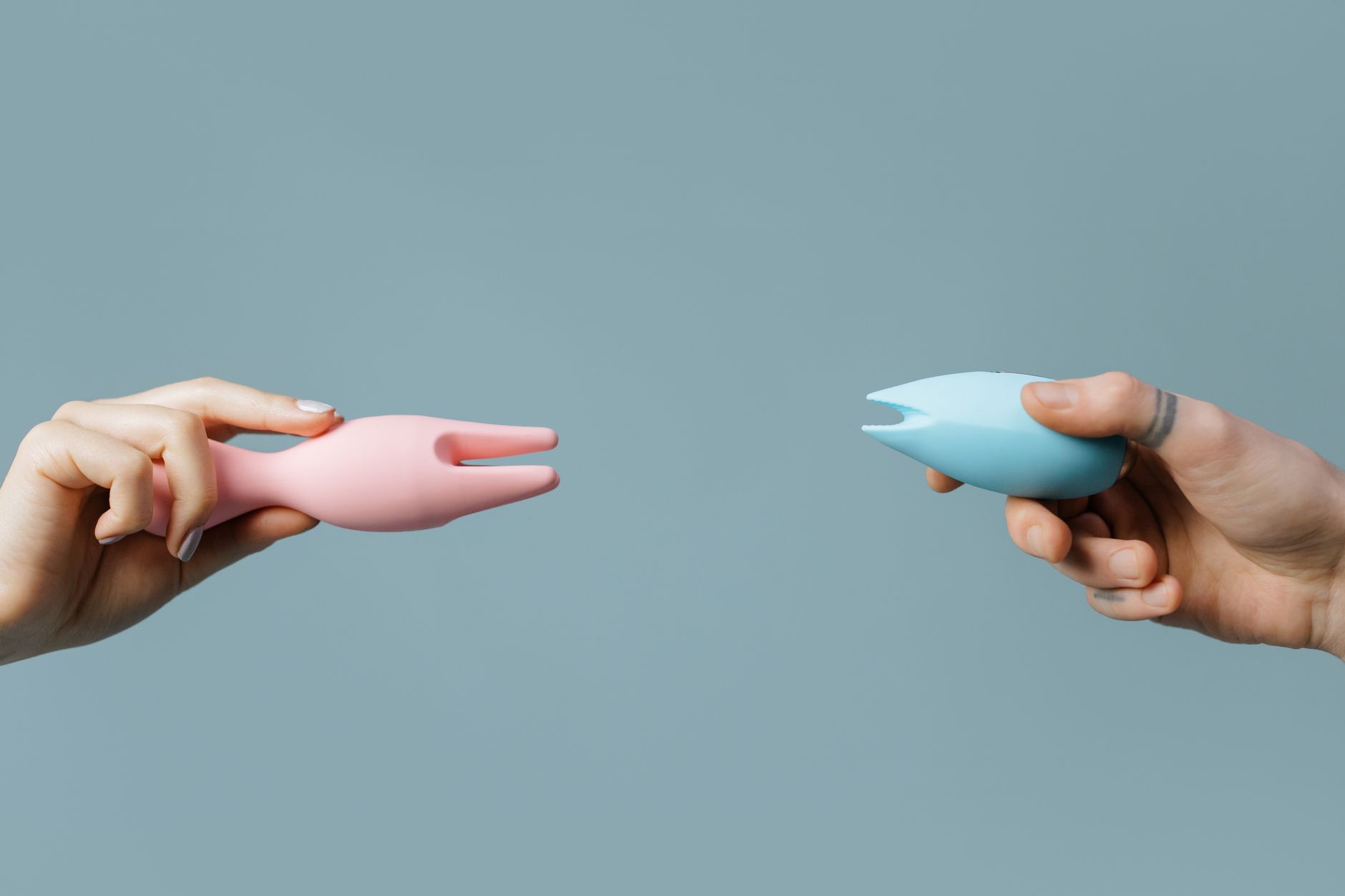
This is the key insight. Most standard vibrators rely on sustained friction against increasingly delicate tissue. A lemon clitoral vibrator works differently. Suction devices like the Lem use rhythmic air-pulse technology to stimulate without grinding.
Think of it like this: vibration is contact. Suction is a gentle pulling sensation. During early menopause, when tissue is thinner and more sensitive, suction actually feels gentler while delivering more concentrated stimulation to the nerve endings that matter.
Research on air-pulse technology shows it activates more sensory receptors in the clitoris than traditional vibration alone. For people navigating hormonal shifts, that means you get better sensation with less mechanical pressure. The lemon vibrator design is particularly effective because the silicone is body-safe and the suction cup sits comfortably even when your body is more sensitive.
Don't jump straight to intensity level 5. Your body is adjusting, and there's zero point in overwhelming yourself.
Start with pattern 1 or 2 on your lemon clitoral vibrator. Spend at least 15-20 minutes warming up first. This isn't wasted time. During early menopause, arousal requires a longer runway. Fantasize. Touch yourself elsewhere. Let blood flow gradually build toward your clitoris instead of trying to jump straight there.
When you do bring the lemon sucker into play, apply it gently. The seal should feel secure but not aggressive. The whole point of a lem vibrator is that it creates a seal around your clitoris, not pressure against it. Start exploring which patterns feel best. Many of my clients find that the gentler, more rhythmic patterns work better during this transition than the intense, chaotic pulses.
This matters more now than it probably did before. Use a water-based lubricant generously. This isn't a sign that something's wrong. It's just what your body needs right now.
Apply lube around the opening of your lemon vibrator before you use it. This helps the seal sit better and prevents the suction cup from sticking too aggressively to thinner tissue. I recommend reapplying halfway through if you're exploring for longer than 15-20 minutes. There's no such thing as too much lubrication during this phase.
Skip silicone-based lubes if your lemon clitoral vibrator is made of silicone. Water-based is compatible with everything and feels less greasy anyway.
Early menopause can make the clitoris feel almost numb. This is temporary and absolutely fixable. The solution isn't aggressive stimulation. It's consistent, varied exploration.
Use your lemon vibrator several times a week, but change which patterns you explore each session. Session one: just pattern 1 for the whole time. Session two: start at pattern 1, move to pattern 2 halfway through. Session three: find the pattern that makes you pause and come back to it. This repetition actually rewires neural sensitivity. Your brain starts remembering pleasure in a new way, with the new sensations your body is offering.
Some clients find that they're actually more sensitive to suction than they ever were to vibration once they adjust. The lem vibrator can feel surprisingly intense once your body recalibrates. That's not a problem. That's adaptation.
Here's something nobody tells you: the pelvic floor tightens as estrogen drops. And a tight pelvic floor makes everything feel more pressurized, less pleasurable. So while you're using your lemon vibrator, you're also learning to relax.
Before you start a session, take five minutes to breathe into your pelvic floor. Imagine the muscles softening with each exhale. This matters more than most people realize. A woman tensing through anxiety or habit won't feel the full effect of even the best clitoral vibrator.
During your session, if you feel tension building, pause. Breathe. Let your pelvic floor soften again. Then continue. You're not just learning to use a tool. You're relearning your own body in a new configuration.
Week one and two: you might feel like sensation is muted. This is normal. Your clitoris is adjusting to a new baseline of blood flow and sensitivity. Keep going.
Weeks three and four: you'll likely notice your body remembering how to respond. Maybe not with the same speed as before, but with a different quality. Many clients describe it as deeper, more concentrated sensation once they hit the right pattern on their lemon sucker.
Month two and beyond: you've recalibrated. You know which patterns work, how long your warm-up needs to be, what lube feels right. You're no longer fighting your body. You're working with it.
If you're using your lemon clitoral vibrator with a partner, introduce lube generously. Explain what you need without framing it as a deficit. "I want to use lube so we can explore this together comfortably" is not the same as "my body doesn't work anymore." One is problem-solving. The other invites shame.
Your partner doesn't need to operate the toy. Many couples find that introducing a lem vibrator into partnered sex means the receiving partner gets to focus on sensation while the giving partner gets to watch and learn what the new landscape looks like. That's intimacy.
If you're experiencing genuine pain (not just sensation change, but actual pain), see a menopause-trained doctor or gynaecologist. Genitourinary syndrome of menopause is real and highly treatable with topical creams. A lemon vibrator is helpful for pleasure, not for treating underlying medical conditions.
If desire has completely vanished and isn't returning after a few weeks of exploration, testosterone therapy is worth discussing with a healthcare provider. Some people also benefit from estrogen therapy during early menopause. These aren't failures. They're tools.
If you're noticing that you can't orgasm even with a toy that used to work, don't panic. This often resolves as your body fully adjusts. But if it persists beyond a month or two of regular use, it's worth checking in with someone who specializes in menopause-related sexual health.
Early menopause is not a deadline for pleasure. It's a recalibration. Your lemon vibrator, whether that's the Lem or another quality clitoral vibrator, is just a tool to help you explore what your body is becoming instead of grieving what it was.
You deserve sensation. You deserve pleasure. Your changing body doesn't disqualify you from either.
Absolutely. HRT changes the timeline and intensity of menopausal symptoms, but your body is still shifting. Many people on HRT find that lemon vibrators help them reconnect with sensation during the adjustment phase. The principles stay the same: longer warm-up, generous lubrication, starting at lower intensity. HRT doesn't make pleasure automatic. It just shifts the landscape you're working with.
Three to four times a week is ideal for building sensitivity back up. More than that and you risk overstimulation. Less than that and you're not creating enough neural repetition to recalibrate. Consistency matters more than intensity. You're essentially retraining your body to recognize pleasure signals, and that takes regular practice.
Yes. Early menopause means thinner tissue and different baseline sensitivity. The first few uses of a lem vibrator might feel weird or even slightly uncomfortable until your body adjusts to the suction sensation. This usually resolves within a few sessions. If it's painful rather than just odd, use less suction intensity and more lubrication. If pain persists, check with a doctor.
A lemon clitoral vibrator doesn't treat dryness directly, but the stimulation increases blood flow to the entire vulva, which can help with natural lubrication over time. Pair it with external water-based lube during use, and many people notice that their baseline hydration improves after a few weeks of regular exploration. That said, if dryness is severe, talk to your doctor. Topical estrogen creams are often the faster solution.
Yes, and this combination is actually pretty common. Antidepressants during menopause can further blunt sensation, so you might need even longer warm-up times and a toy like the Lem that delivers more concentrated stimulation than a standard vibrator. Some people find that exploring with their lemon sucker actually helps them reconnect with sensation despite medication side effects. It's worth trying, and there's no risk in doing so.
That depends on your dynamic. If you're partnered and sexually active together, transparency usually helps. Framing it as "my body is changing and I want to explore what feels good now" invites collaboration instead of creating secrecy. Many couples find that introducing a lemon clitoral vibrator during menopause actually deepens intimacy because it opens a conversation about what pleasure looks like in this new chapter. But if you're solo and exploring alone, you don't owe anyone an explanation.
This article draws on clinical expertise in menopause-related sexual health, evidence-based research on clitoral physiology, and feedback from thousands of people navigating early menopause. If you'd like to explore more deeply, consider scheduling a consultation to discuss what's right for your specific situation. Every body is different, and early menopause is not one-size-fits-all.