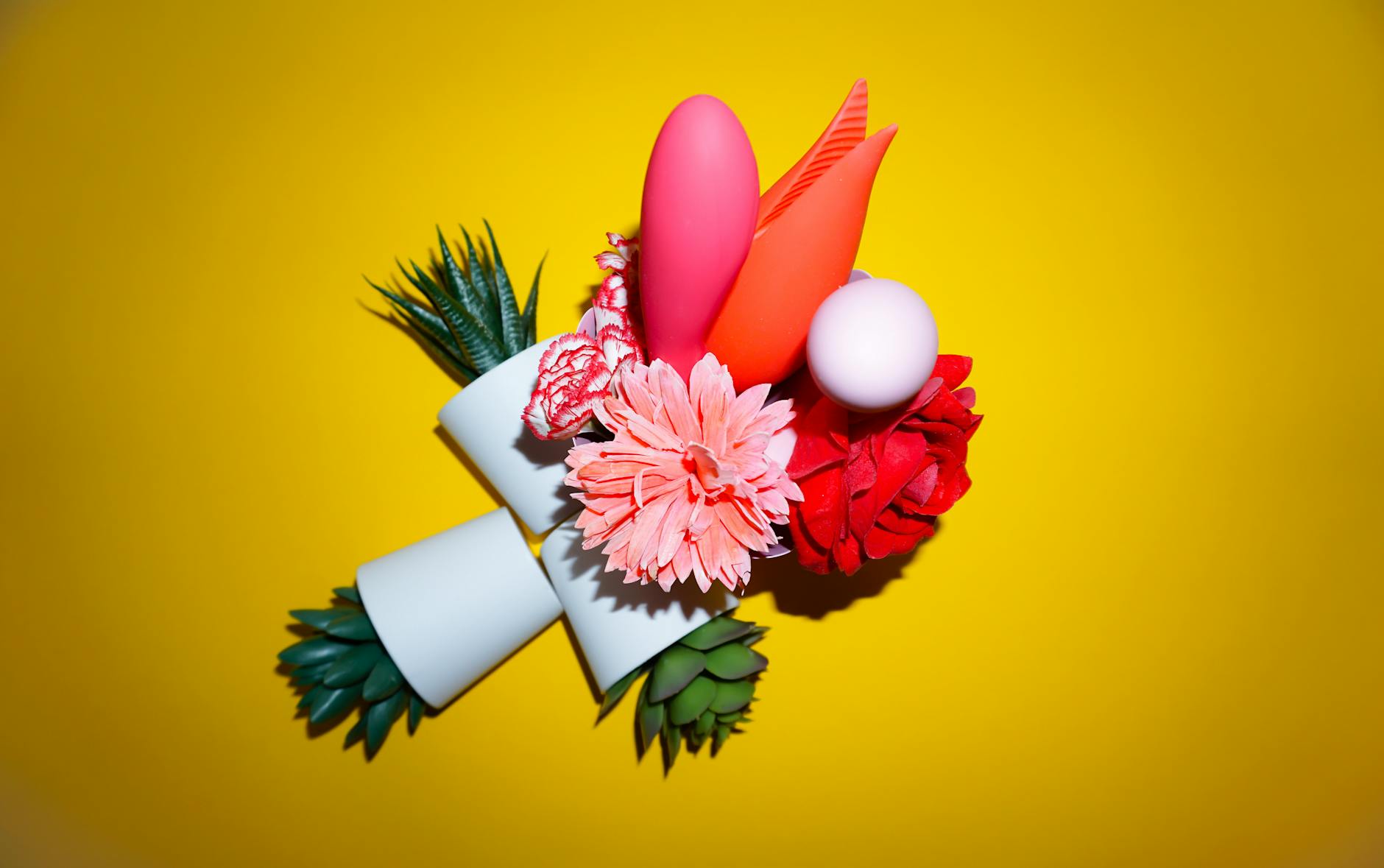
Let's be real about the transition
There's a particular kind of silence that fills the space after a long relationship ends. Your body remembers being touched, being wanted, being seen. Then suddenly it's just you in that space again. For some people, that's liberating. For others, it's disorienting. Most of us feel both at the same time.
If you spent years calibrating your pleasure around someone else's rhythm, rhythm, and preference, reclaiming solo sensation can feel awkward. You might not even know where to start. That's not unusual. It's actually the most common thing I hear from clients rebuilding their intimate lives after a long partnership ends.
This is where a tool like a lemon clitoral vibrator becomes more than just a toy. It's a conversation starter with your own body.
Why a lemon vibrator works especially well for this moment
The design matters here. A lemon vibrator (sometimes called a lem vibrator or lemon sucker) uses air-suction technology rather than traditional vibration. That distinction changes everything for someone relearning their own sensitivity.
When you've been with a partner for years, your body adapted to their touch, their pressure, their patterns. Solo exploration requires you to be both the giver and receiver, which means you need fine control over intensity and sensation. Air-suction devices like the lemon clitoral vibrator give you that granular control in a way few other toys do. You're not locked into a fixed vibration pattern. You can start incredibly gently (crucial when you're nervous), explore different pressure levels, and stop immediately if something doesn't feel right.
Second, there's something psychologically important about choosing a tool that's gentle by design. After years of accommodation, you deserve an experience built for your sensitivity, not compromise.
The emotional setup matters as much as the physical one
Honestly, the biggest obstacle to solo pleasure after a long relationship isn't physical. It's usually some version of guilt, weirdness, or the ghost of your ex's preferences hovering in your mind.
Let's address that first. Solo pleasure isn't infidelity. It's not a betrayal of the relationship that ended. It's not "settling." It's you having a conversation with your own body about what feels good right now, in this chapter of your life. Those conversations are private. They belong entirely to you.
If shame is showing up, that's worth noticing but not worth acting on. Shame lies. It whispers that you're being selfish or weird or desperate. You're not. You're rebuilding.
Clear some time when you won't be rushed or interrupted. Not a romantic evening with candles if that feels forced. Just an hour when your phone is elsewhere and your door is locked. Comfort matters more than atmosphere.
Your first session with a lemon vibrator: the practical walkthrough
Start fully clothed if that feels better. This isn't about jumping to full intensity. It's about reintroduction.
Charge the device fully before you begin. Read the manual so you know where the buttons are and what each pattern does. This removes the fumbling part, which is where anxiety often creeps in. You want your brain free to notice sensation, not distracted by logistics.
When you're ready, begin by exploring your own body without the vibrator first. This step gets skipped a lot, and it shouldn't. Touch your inner thighs, your vulva, your clitoral area with your fingertips. What pressure feels good? Where are you most sensitive? Does direct contact on the clitoris feel intense, or do you prefer indirect stimulation through the clitoral hood? These answers belong to you now, not to anyone else's preferences.
Once you have a sense of that baseline sensitivity, introduce the lemon vibrator at its lowest setting. Place it gently against the clitoral area and notice how it feels. You're not looking for orgasm right now. You're gathering information. Does the suction feel different than you expected? Is it too intense, too gentle, just right? If it's overwhelming, stop. You can return to this in a few days.
Many people find that low-intensity suction feels less aggressive than traditional vibration. If you're relearning your body, that gentleness is often what makes the difference between "this feels weird" and "oh, I actually like this."
Building a rhythm that's entirely yours
One of the most freeing parts of solo exploration is that there's no performance. No one's waiting for you to finish. No one's pleasure depends on yours. You can take 25 minutes or 10 minutes. You can stop and start and stop again. You can change your mind.
Over your next few sessions, gradually increase the intensity if that feels right. Some people stay at patterns 1 and 2 on a lemon vibrator and find those perfectly adequate. Others work up to patterns 4 or 5. There's no "should" here. Your pleasure isn't a destination to reach faster. It's a conversation.
Notice what's actually enjoyable versus what you think should be enjoyable. That distinction matters enormously after a long relationship. You might discover that you prefer longer, slower build-up than your ex did. You might find that you like patterns your partner would have hated. You might discover entirely new sensations that weren't part of your shared experience. That's the whole point.
When you're building confidence, it helps to keep a light mental note of what you're learning. Not in a clinical way. Just genuine curiosity. "Oh, I notice that suction at pattern 3 feels better after I've spent time on my thighs first." That information is yours. It's portable. If you eventually share your body with someone new, you already know what works.
The vulnerability piece: what if orgasm doesn't happen right away?
First time back to solo pleasure, some people orgasm easily. Others take three or four sessions to find their rhythm again. Both are normal.
Your body isn't broken if it takes time to respond. After years of partnered sex, your nervous system has been calibrated to that specific context. You're asking it to adjust to a new one. That takes a little patience. The lemon clitoral vibrator is specifically designed to reduce that adjustment time because it offers such fine-grained control, but it's not magic.
If you find yourself frustrated, pause. Your body doesn't owe you an orgasm. What it does owe you is attention and kindness. That's the actual goal right now. Sensation and curiosity and reconnection. Orgasm will likely follow, but it's not the test of whether you're doing it right.
Moving from solo exploration to ongoing practice
Once you've had a few sessions and you're starting to feel comfortable, the real work begins. And by work, I mean pleasure. You're not relearning your body once and then being done. This is an ongoing conversation.
Carve out regular time for solo exploration. It doesn't have to be scheduled down to the minute, but showing up for yourself consistently matters. That consistent attention tells your nervous system that your pleasure is worth protecting. It also helps you notice what changes over time. How your body responds to stress, to your cycle, to different seasons.
If you have a partner eventually, you'll bring this knowledge with you. You'll know what you like. You'll be able to ask for it. You'll be far less likely to slip back into accommodation and compromise. Solo pleasure isn't a pit stop. It's a foundation.
When to reach out for support
If pain appears during solo exploration, that's worth mentioning to a gynecologist. Pain isn't normal, even after a long relationship. It might indicate a treatable condition.
If shame or grief keeps showing up and blocking pleasure completely, that's a conversation for a therapist, not a vibrator. Trauma around your previous relationship, complicated feelings about your body, or depression can all muffle sensation. Those things deserve professional support, not judgment.
Hello Nancy Shop exists to make pleasure accessible. A lemon vibrator is a tool. But sometimes you need a person too.
FAQ
Is it normal to feel weird using a vibrator alone after being in a long relationship?
Completely normal. Your body spent years in a specific context. Shifting that context, especially to solo sensation, creates a kind of psychological friction even when the physical machinery works fine. Weirdness usually fades after two or three sessions as your nervous system recognizes that this is safe and intentional.
How long should I use a lemon vibrator in one session?
There's no minimum or maximum. Some people find 10 minutes is plenty. Others explore for 30 or 40 minutes. Listen to your body. When you feel done, you're done. The goal isn't duration. It's presence and pleasure.
Can using a lemon clitoral vibrator make it harder to orgasm with a future partner?
That's a persistent myth. Regular solo exploration typically makes partnered pleasure easier, not harder, because you already know what you like. You can communicate that clearly instead of hoping they figure it out.
What intensity should I start with on a lemon vibrator?
Always start at the lowest setting, especially if you're relearning your body. You can increase intensity anytime. You can't un-feel something that was too intense. Low to medium is usually the sweet spot for first-time solo exploration after a long relationship.
Is a lemon vibrator better than other vibrators for solo pleasure after a breakup?
For many people, yes. Air-suction devices offer more control and gentleness than traditional vibrators, which is especially valuable when you're rebuilding confidence. But the best vibrator is the one that makes you feel comfortable and curious. How to choose between suction and vibration for clitoral pleasure can help you figure out which technology resonates with you.
What if my lemon vibrator feels too intense?
Start at pattern 1 and stay there until it feels manageable. Some people never go beyond pattern 2, and that's perfectly fine. Gentler sensation is often more sustainable and pleasurable than maximum intensity. If even the lowest setting feels overwhelming, give yourself permission to pause and try again in a few days. Your body's sensitivity will shift.
How do I know if I'm "doing it right"?
You're doing it right if you're present, curious, and not forcing anything. Orgasm isn't the measure of success. Reconnection is. If you're learning something about your body, you're winning.
The bigger picture
Rebuild is an underrated word. It sounds slow. It sounds like work. But it also implies that something real and valuable is being constructed. That's what solo exploration after a long relationship actually is.
You're not jumping back into the dating world while secretly hoping your ex calls. You're not white-knuckling through celibacy because you're not sure if solo pleasure "counts." You're actively choosing to reconnect with your own capacity for sensation and pleasure. That's not a consolation prize. That's you building the foundation for whatever comes next.
A lemon vibrator, a lemon clitoral vibrator, or any Hello Nancy Shop tool is just equipment. What you're actually doing is deeper: reclaiming your body, your pleasure, your right to feel good on your own terms. That takes courage. It also takes time and gentleness with yourself.
If you want to talk through what this transition looks like for you specifically, reach out. That's exactly what we're here for.