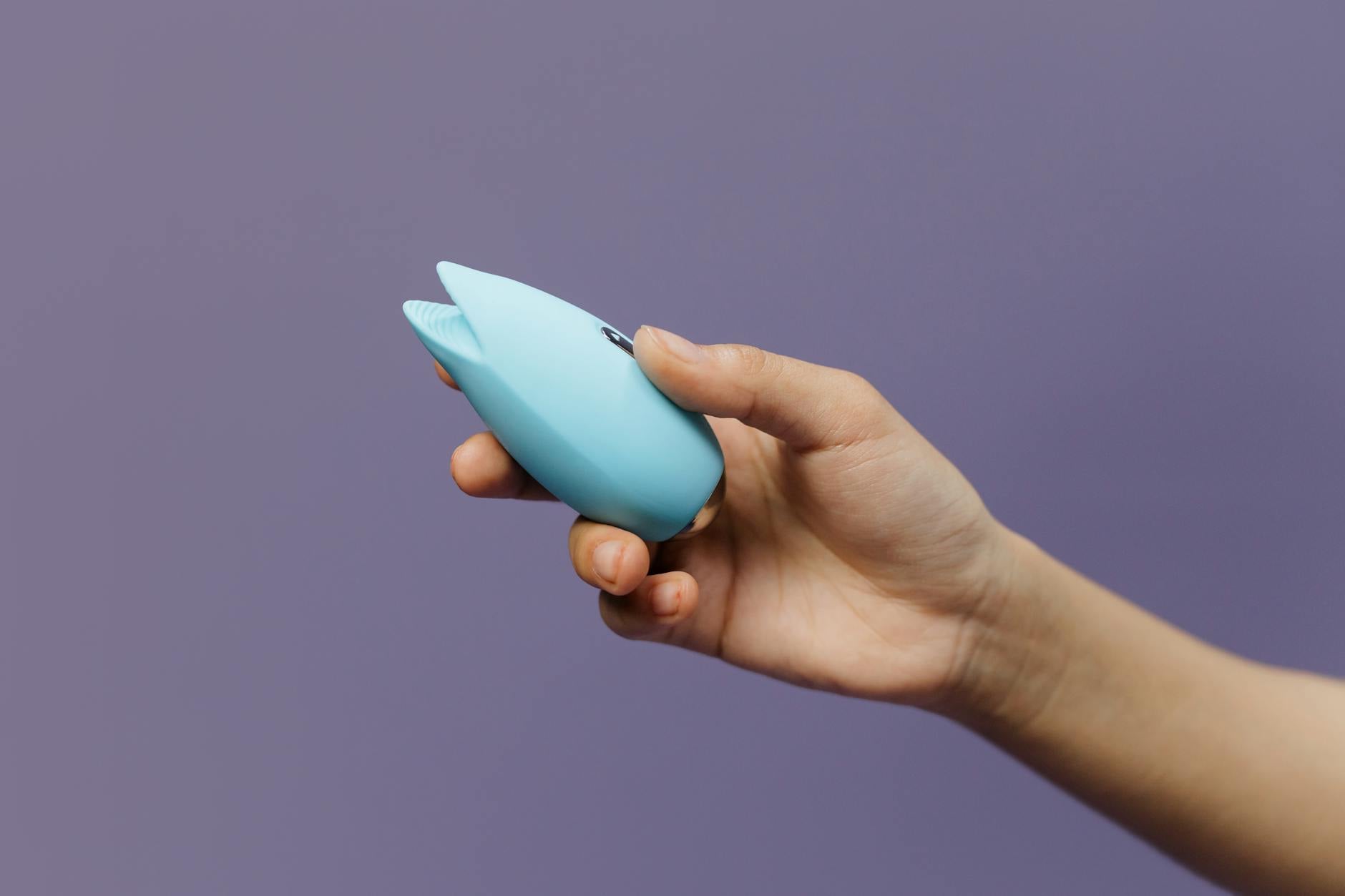
How to Use a Lemon Vibrator for Better Sensation With Endometriosis
Endometriosis rewires pleasure. Here's what changes, what stays the same, and why a suction-based lemon clitoral vibrator might be exactly what your body needs right now.
Honestly, endometriosis gets treated like a pain condition first and everything else second. But the truth is way more complicated. Endometriosis affects your entire pelvic ecosystem, which means it affects arousal, sensation, orgasm, and the whole experience of pleasure. Not in a way that ends it. In a way that changes the geography.
The adhesions, the inflammation, the scar tissue, the nerve sensitivity. All of it rewires how your body responds to stimulation. And none of it means you're broken. It means you need different tools and a different approach. That's where understanding your body plus the right device makes a massive difference.
Endometriosis is tissue that grows outside your uterus, usually in the pelvic cavity. It bleeds with your cycle, creates scar tissue, and can cause inflammation that's there all the time, not just during your period. Here's what that does to pleasure:
First, pain pathways become hyperactive. Your nervous system is basically on alert in your pelvic region, so even gentle touch can feel sharp or overwhelming. At the same time, the inflammation and scar tissue can make deep sensation feel muted or hard to locate. So you might experience hypersensitivity on the surface and numbness deeper in. Both at the same time. Both completely real.
Second, many people with endometriosis experience reduced blood flow to the clitoris and vulva during arousal. Your body's natural lubrication might be less, or it might come slower. Orgasms can feel weaker, or the pathway to them can feel blocked.
Third, the pelvic floor gets involved. Many people with endometriosis develop pelvic floor tension as their body's protective response to chronic pain. A tense pelvic floor makes arousal harder, makes orgasm feel constrained, and makes penetration painful if that's part of your repertoire.
None of this is permanent. And none of it means you stop having pleasure. It means the route changes.
Here's the thing about clitoral vibrators: traditional vibration sends repetitive mechanical stimulation into tissue that's already dealing with inflammation and sensitivity. For some people with endometriosis, that's perfect. For others, it's too much.
A lemon suction-based vibrator like the Lem works differently. Instead of mechanical vibration against delicate tissue, it creates gentle rhythmic suction and pulsation. Think of it less like knocking on a door and more like a gentle pull that builds sensation from the inside out.
Why does that matter with endometriosis? Because suction distributes pressure across a wider area of the clitoral complex, which means it doesn't concentrate stimulation in one spot where inflammation or scar tissue might be irritating. The suction also tends to feel less jarring to a nervous system that's already heightened.
Many people I work with who have endometriosis report that suction devices trigger orgasms faster and with less pain than traditional vibration. That's not a coincidence. It's biomechanics meeting biology.
Using a lemon clitoral vibrator with endometriosis isn't complicated, but it does require a few intentional choices.
Timing matters. If you menstruate, avoid using the vibrator during the heaviest days of your cycle or when you're experiencing a flare. Your pelvic region is already inflamed and tender. Wait for a lower-inflammation window. And yes, endometriosis folks often have a sweet spot in their cycle where sensation is clearer and pain is lower. Find yours by tracking.
Start with lower settings. The Lem has multiple intensity levels for a reason. Begin at pattern one or two. Your nervous system is running hot already. Build up slowly instead of starting at maximum and wondering why it feels overwhelming. You can always turn it up. You can't unring the bell if you've overwhelmed yourself.
Use plenty of lubricant. Endometriosis inflammation often means less natural lubrication, or lubrication that comes slower. Water-based lube is your friend. It reduces friction, protects sensitive tissue, and makes the whole experience more comfortable. Reapply as needed. There's no such thing as too much.
Position yourself intentionally. Lying on your back with a pillow under your hips changes the angle of stimulation. So does lying on your side. Spend time figuring out which position lets your clitoris be most accessible and relaxed. Don't force a position that hurts.
This is important. If you experience sharp pain, burning, or pain that radiates into your abdomen or lower back when using a vibrator, stop. This isn't a threshold to push through.
Pain signals are real information. They're telling you that your nervous system is too activated, or that the stimulation is hitting an area of adhesion or inflammation, or that your pelvic floor is too tense. Your job is to listen.
If this happens regularly, it's worth checking in with a pelvic floor physical therapist who understands endometriosis. They can help you figure out whether it's nervous system activation, physical adhesions, or pelvic floor tension. And then you've got a concrete path forward instead of just avoiding pleasure altogether.
Endometriosis often brings grief alongside the pleasure piece. Your body has been difficult. It's been in pain. It's betrayed you during sex. That's real, and that lives in your nervous system too.
So when you're using a lemon vibrator or any device with endometriosis, the mental game matters as much as the physical one. Go slow. Notice what feels good instead of chasing the orgasm. If your mind keeps telling you it's going to hurt, or that you're wasting time, or that your body is broken, gently redirect that voice. You're retraining both your nervous system and your mindset.
If you have a partner, this is a conversation worth having separately from sex. Something like: my body works differently now, and I'm learning what actually feels good instead of what I thought should feel good. This isn't about you. It's about me getting to know my own pleasure again.
Many people think endometriosis means goodbye to good sex. That's just not accurate. It means hello to a different kind of exploration. You get to figure out what your particular nervous system and body actually respond to, instead of defaulting to what worked before or what you thought should work.
A lemon vibrator is one tool. Understanding your inflammation patterns is another. Pelvic floor awareness is another. And honestly, permission to take your time and adjust expectations might be the most valuable tool of all.
Most people find that using any vibrator during a significant flare is uncomfortable. Your pelvic region is already inflamed and tender. If you're experiencing heightened pain, heavy bleeding, or radiating discomfort, it's better to wait a few days until you feel more like yourself. That said, some people find very gentle, low-intensity suction feels soothing rather than overwhelming. You know your body best. If it hurts, don't push.
A vibrator is not a pain treatment. But many people find that orgasms provide temporary pain relief through endorphin release and pelvic floor relaxation. If you can reach orgasm comfortably using a device like the Lem, you might experience 30 minutes to a few hours of reduced pelvic tension afterward. Think of it as a side effect of pleasure, not a medical intervention. Talk to your doctor about actual endometriosis pain management.
Absolutely. The lemon vibrator is clitoral only. It doesn't require any penetration. For many people with endometriosis, focusing entirely on clitoral pleasure removes the pain variable and makes orgasm actually achievable. There's no rule that says you have to do anything that hurts.
This one's honestly tricky. Pelvic floor tension can coexist with endometriosis, and they feel similar: pain with touch, difficulty with orgasm, radiating discomfort. A pelvic floor physical therapist can tell the difference through assessment. If you suspect both, that's a conversation to have with your doctor or a pelvic floor PT who specializes in endometriosis.
No. More intensity doesn't override numbness. It usually just creates frustration. Instead, focus on longer warm-up time, better positioning, and lower settings that let your nervous system settle in. Numbness often improves when you're relaxed and unhurried rather than when you're chasing stimulation.
Completely normal. Your nervous system has been working in high-alert mode. You've probably been dealing with pain during sex or worry about pain. That changes how orgasms register. Once you start giving yourself permission to slow down, use the right tools, and separate pleasure from performance, many people report orgasms feel more intense and satisfying than before, even though they looked different at first.
Endometriosis changes the map of your pleasure. It doesn't erase it. And you deserve to have good sex and real orgasms, even when your body is dealing with a chronic condition. The lemon vibrator is built for this kind of precise, gentle stimulation. Learn your own cycle and your own body. Give yourself time. And know that what you're experiencing is valid, treatable, and absolutely worth exploring.
If you're looking for more support on navigating intimacy with a chronic condition, reach out. We're here to help you figure this out.