Let's talk about what changes when clitoral tissue thins
If you've noticed that direct vibration feels too sharp, or if a touch that used to feel amazing now feels almost raw, you're not imagining it. Clitoral skin gets thinner and more sensitive for real, identifiable reasons. Hormonal shifts (menopause, stopping birth control, postpartum), aging, chronic stress, certain medications, and even repeated friction over years can all change the thickness and sensation profile of clitoral tissue. The good news: this isn't a sign that pleasure is gone. It's a sign that you need different tools.
That's where lemon vibrators come in. A lemon clitoral vibrator like the Lem works fundamentally differently than a traditional wand vibrator, and that difference matters enormously when your skin is sensitive.
Why wand vibrators feel different on thin tissue
Most wand vibrators (and egg vibrators) rely on consistent, rapid oscillation. That vibration travels directly into tissue, and if your clitoral skin is thin or sensitized, that constant micro-repetition can feel uncomfortable or even numbing after a few minutes. You end up turning the intensity down so far that you lose the benefit altogether.
Here's the mechanical part: thin tissue has less cushioning. The vibration has nowhere to dissipate, so it concentrates at the point of contact. With sensitive skin, concentration equals pain more often than pleasure.
How lemon suction vibrators change the game
A lemon sucker or air-suction vibrator (like Hello Nancy's Lem) works through gentle pulsing suction rather than direct vibration. Instead of pushing vibration into tissue, it creates a rhythmic pulling sensation that stimulates nerves through a broader area. That distributes pressure across more surface, which means less intensity at any single point.
Suction also creates a sealed micro-environment around the clitoris. Blood flow increases naturally, which can make tissue feel fuller and more resilient. That fullness actually provides its own padding, so the sensation becomes gentler the longer you use it, not harsher. For people with thin or sensitive clitoral skin, this is the opposite of how vibration works.

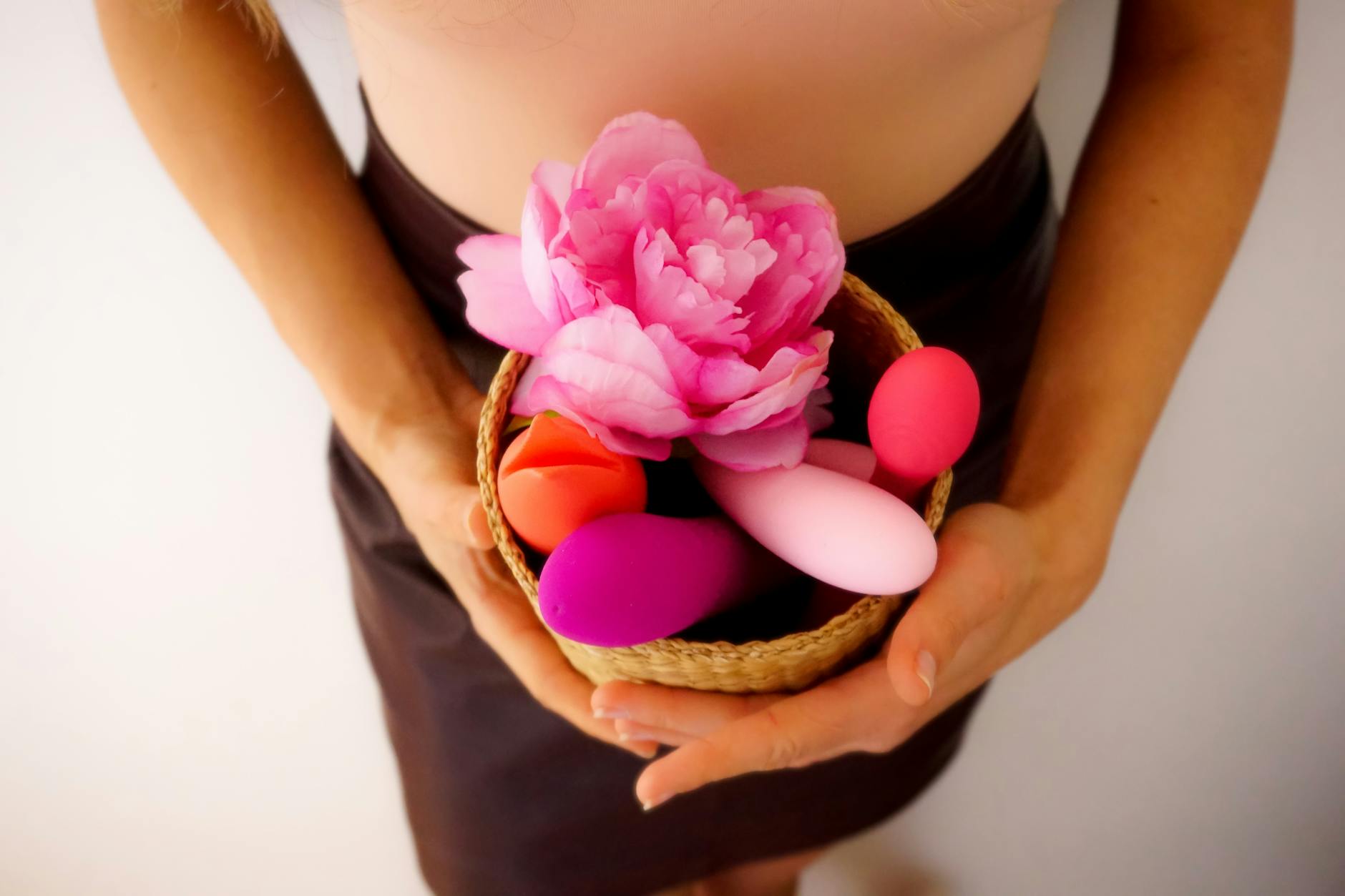
Photo by Ihsan Adityawarman on Pexels
The setting-by-setting approach for sensitive skin
Even with a lemon clitoral vibrator, you'll want to be intentional about how you start. Most lemon vibrators come with multiple intensity levels (the Lem has ten). For thin or sensitive tissue, start on setting one or two. I know that sounds cautious, but it's not about playing it safe. It's about teaching your body what the sensation is before you amp it up.
Spend five to ten minutes on the lowest setting. Let your nervous system recognize the sensation as pleasure, not surprise. Your clitoris will actually become more responsive as blood flow increases, which means settings that felt too subtle initially often become perfect after warm-up.
Move to setting three or four only after you've spent time on the lower settings. You might find that you never need to go higher. A lot of people with sensitive tissue actually prefer the gentler end of the spectrum permanently, and that's completely valid. Your pleasure doesn't need to look like anyone else's.
Positioning and angle matter more than you think
With thin clitoral tissue, the angle of contact changes everything. Direct, perpendicular contact feels sharper than angled contact. If you're lying on your back, try tilting the device slightly to one side, or position it so the suction cup is making contact with the inner labia first, with the clitoris receiving indirect stimulation.
This "indirect" approach is wildly underrated. Your clitoris has more nerve endings than you can feel, and many of them aren't right at the tip. Stimulating the shaft or the surrounding tissue often produces deeper, more satisfying sensation than trying to target the glans directly.
If direct contact still feels too intense, try placing a thin, smooth fabric (like silk or microfiber) between the device and your skin. It mutes the sensation just enough for many people, without the awkwardness of adding a traditional condom (which dulls sensation further and requires lube management).
Lubrication helps, but not always in the way you'd think
Water-based lube is standard, and yes, it helps. But here's what most people don't realize: lube changes the seal and suction feel. Excess lube reduces the seal, which means less effective suction. With sensitive tissue, less effective suction can feel less satisfying even though it's "gentler."
Use a small amount. A thin layer around the suction cup opening, not a generous glob. You want the seal to stay strong so the suction actually works, while still protecting your tissue. If things feel dry, add a tiny bit more. This is a feel-your-way-forward situation, not a formula.
If you're someone whose natural lubrication dropped (because of hormones, meds, stress, or just aging), internal lube is your friend here. A few minutes of foreplay, or even just focusing on arousal before you introduce the device, makes a huge difference. Your clitoris engorges when aroused, which actually makes it less sensitive to external pressure.
Why warm-up time is non-negotiable
With thin or sensitive clitoral tissue, rushing into sensation doesn't work. Your nervous system needs time to shift from fight-or-flight (which contracts and tightens tissue) into parasympathetic arousal (which softens and opens everything). For most people with sensitive tissue, that shift takes longer than they expect.
Budget fifteen to twenty minutes before you even touch the device. Spend that time on whatever arouses you. Think, fantasize, touch other parts of your body, read erotica, watch something that turns you on. The goal is full-body arousal, not clitoral stimulation yet. When your clitoris is actually engorged and your breathing is deeper, then introduce the lemon vibrator.
You'll notice the difference immediately. Everything will feel less sharp, more responsive, deeper. This isn't placebo. It's physiology.
Managing overstimulation and numbness
Sensitive skin can swing between two problems: overstimulation (too intense too fast) and numbness (stimulation that feels like nothing after a few minutes). Both are fixable, but they require different strategies.
If you're hitting overstimulation, you've already got the answer: lower intensity, shorter duration, more warm-up, indirect positioning. Start smaller and build.
Numbness is sneakier. If the sensation starts strong and then fades, you might be experiencing desensitization to the stimulation pattern. Try this: use the device for two to three minutes, then stop and take a thirty-second break. Touch your clitoris directly with your finger to reset the sensation. Then go back to the lemon vibrator. That contrast resets your nerve response and makes the next round feel fresh.
Alternatively, switch intensities mid-session. Go up one or two settings for thirty seconds, then back down. The change in stimulus pattern often reawakens sensation that felt like it was fading.
When to see someone if nothing feels right
Sometimes thin clitoral tissue comes with actual pain, not just diminished sensation. If using a lemon clitoral vibrator causes sharp pain, burning, or discomfort that doesn't improve with lower intensity and longer warm-up, that's worth checking with a gynaecologist or a specialist in genitourinary syndrome of menopause (GSM). You're not broken, but you might benefit from topical estrogen cream or other treatments that rebuild tissue thickness.
Likewise, if you're noticing numbness that doesn't improve with the contrast techniques above, or if sensation disappeared suddenly rather than gradually, that's worth mentioning to someone. Sudden nerve changes can point to medication side effects or underlying conditions that deserve attention.
The long game: what actually improves sensitivity over time
Here's what I've observed clinically: people who use lemon vibrators consistently (two to four times per week) often report improved sensation over weeks. Not because the device is healing anything, but because regular arousal improves blood flow, strengthens the pelvic floor, and teaches your nervous system that sensation is safe. That combination actually does seem to build resilience back into tissue.
Combine that with movement (walking, stretching, pelvic floor exercises that focus on relaxation, not just contraction), stress reduction, and good sleep, and you're looking at genuine improvement in sensation over a couple of months. You're not waiting for tissue to physically regenerate. You're restoring your nervous system's capacity to feel pleasure.
FAQ: Thin and Sensitive Clitoral Skin
Can I use a lemon vibrator if my clitoral tissue is extremely thin?
Yes, but start conservative. A lemon suction vibrator is actually gentler than most alternatives because suction distributes pressure across a wider area than direct vibration. Begin on the lowest setting, position indirectly (so the clitoris receives secondary stimulation rather than direct contact), use a thin layer of lube, and spend longer on warm-up. Many people with very thin tissue find that lemon vibrators work better than they expected because the suction mechanism is fundamentally less intense than vibration.
How long should a session last if I have sensitive skin?
Start with five to ten minutes on the lowest settings. Once your body learns the sensation, you can extend to fifteen to twenty minutes. If numbness or overstimulation appears, that's your signal to stop. Quality over duration applies here. One ten-minute session where you actually feel sensation is infinitely better than thirty minutes of numbed or uncomfortable stimulation.
Is there a difference between a lemon vibrator and other types of clitoral vibrators for sensitive skin?
Yes, significant. Traditional vibrators (wands, bullets, eggs) deliver rapid oscillation that concentrates pressure at the point of contact. A lemon clitoral vibrator uses suction, which distributes stimulation across a broader area and typically feels less intense. For thin or sensitive tissue, suction is usually the better option. If you're set on trying vibration again, look for devices with very low frequency (fewer pulses per second) rather than high-intensity motors.
What if suction doesn't feel like anything at first?
That often means either the seal isn't strong enough (check your lube amount and positioning), or your nervous system needs more warm-up before it recognizes suction as pleasure. Try extending your pre-device arousal time to twenty minutes, and make sure you're using just enough lube to protect skin without drowning the seal. If it still feels like nothing after several attempts with good warm-up and positioning, then suction might not be your thing, and that's okay. You're not alone.
Can hormonal creams or estrogen treatments make sensitive tissue less sensitive to vibrators?
Yes, often dramatically. Topical estrogen cream (prescribed by a gynaecologist) rebuilds tissue thickness within weeks. Once tissue is thicker, it has more resilience, and stimulation that felt painful or too intense often becomes perfectly pleasant. If you're dealing with very thin tissue due to hormonal changes, a conversation with your doctor about topical options is worth having. Hello Nancy's Lem vibrator will work better once your tissue has that added padding.
Is there a best time in my cycle to use a lemon vibrator if I have sensitive skin?
If you still menstruate, sensitivity often varies across your cycle. Many people find that the week before menstruation (when hormones shift) is when sensitivity peaks. If you notice this pattern, you might reserve your lemon vibrator sessions for the first two weeks of your cycle, when tissue might be slightly less sensitive. This is highly individual, so track what actually feels good in your own body and adjust your timing accordingly.
The real truth about sensitivity and pleasure
Thin or sensitive clitoral tissue is not a limitation. It's information. Your body is telling you what it needs: gentler approach, longer warm-up, smarter positioning, better tools. A lemon clitoral vibrator is explicitly designed to deliver sensation in a way that works for bodies that can't handle the blunt force of traditional vibration.
Start low, go slow, trust what your body tells you, and give yourself permission to need something different. Your pleasure is worth the intentionality. If you have questions about what might work best for your specific situation, reach out to Hello Nancy Shop's team. Your questions matter.
Sources
Genitourinary Syndrome of Menopause (GSM) Clinical Practice Considerations (American College of Obstetricians and Gynecologists, 2024) Nerve physiology and clitoral structure research (Sinclair et al., Journal of Sexual Medicine, 2019) Tissue thinning and hormone replacement literature (North American Menopause Society)