
Let's name what's actually happening
Antidepressants work. They genuinely do. But somewhere between the relief from depression and the return to baseline functioning, pleasure goes quiet. Not all the way gone, usually. Just dimmed. Flattened. Like someone turned down the volume on sensation itself.
You're not broken, and your medication isn't failing. This is a well-documented, physiologically real side effect that affects somewhere between 40 and 80 percent of people taking SSRIs or SNRIs depending on the study. The problem is nobody warns you about it until you're already noticing that orgasms feel like a theoretical possibility rather than an actual one.
Why antidepressants specifically affect sexual sensation
Here's the mechanism. SSRIs and SNRIs work by increasing serotonin availability in your brain, which lifts mood and anxiety. But serotonin doesn't just live in your mood centers. It's all over your nervous system, including the pathways that trigger arousal and physical response.
When serotonin goes up, dopamine often goes down. Dopamine is what creates that anticipatory fire, the urgent wanting. It's also partly responsible for the intensity of orgasm itself. Add to that the fact that some of these medications can suppress blood flow to genital tissue, and you get a triple hit: less desire, slower arousal, and weaker physical sensation.
This isn't psychological. Your brain isn't deciding pleasure doesn't matter anymore. Your neurochemistry literally has less bandwidth for it.
The conversation you need to have with your prescriber
First thing. If the numbness is severe enough to bother you, tell your doctor. Not the receptionist. Not the patient portal. Your actual prescriber. Many people don't because they feel awkward, or they assume medication side effects are just the cost of mental health.
They're not. There are real clinical options.
Your prescriber can:
- Adjust your dose (sometimes lower is enough without losing efficacy)
- Switch you to a different SSRI or SNRI (sexual side effects vary wildly by medication)
- Add a medication that counteracts the effect (things like bupropion or buspirone can help)
- Adjust your timing (taking the dose right after sex instead of before can sometimes help, depending on the drug)
None of these conversations are shameful. Your prescriber has had them hundreds of times. Sexual function matters to quality of life. Mental health medication that trades depression for numbness isn't actually solving the problem.
What a lemon vibrator actually does that other tools can't
If you've tried vibrators before and they felt like nothing, a clitoral vibrator from Hello Nancy works differently than what you might expect. Specifically, the suction-based design of a lemon vibrator uses air-pulse stimulation instead of pure vibration.
Why this matters when you're experiencing numbness: air-pulse technology creates a broader, gentler wave of stimulation that works better on desensitized tissue. It doesn't require the same degree of direct friction or intensity that traditional vibrators do. You're not forcing sensation into a numb area. You're waking it up gradually.
The pattern settings also matter. Start at the lowest setting, around pattern one or two. Your nervous system needs time to remember how to respond. Many people on antidepressants find that what felt like nothing at settings five or six suddenly has actual sensation at setting one, once they give their body permission to feel slowly.
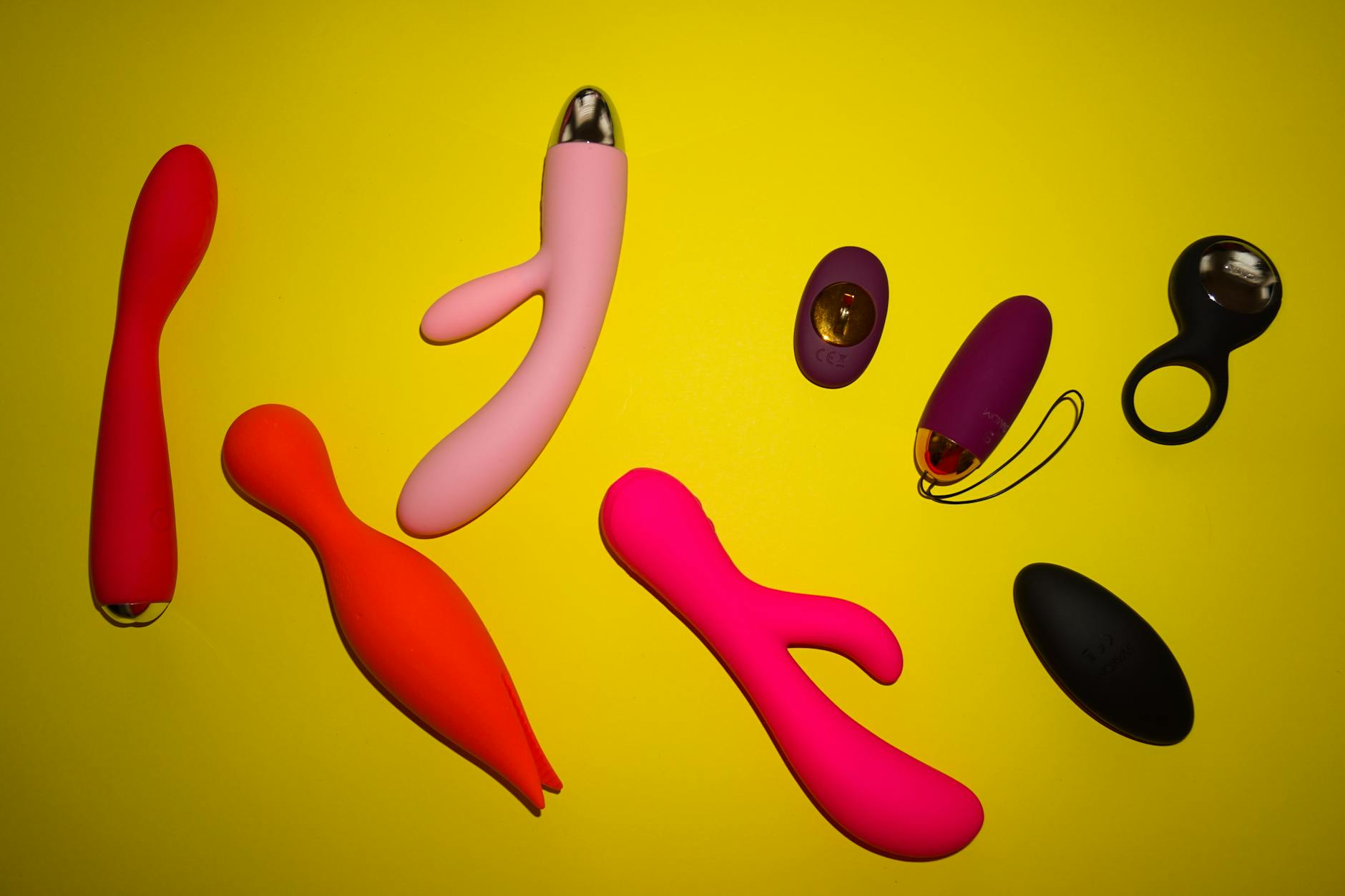
Photo by FounderTips on Pexels
Practical steps for rebuilding sensation safely
This isn't about forcing pleasure or pressure testing yourself. It's about creating the conditions for sensation to return at its own pace.
Start with exploration, not expectation. Set aside 20 or 30 minutes with no goal except to notice what you feel. Not to come. Not to prove anything works. Just to pay attention. This sounds simple and it fundamentally changes the experience because you're removing the performance pressure that already flattens sensation.
Use lube, even though you might not think you need it. Antidepressants can reduce natural lubrication independently of arousal. A good water-based lubricant helps a lemon vibrator work more effectively and makes the sensation feel less forced.
Build a longer warm-up. If you're used to quick arousal, antidepressant numbness means you need to budget differently. Twenty to 30 minutes of touch, mental focus, maybe some content you actually want to be engaged with. Your brain and body need time to shift gears.
Track what actually changes. Sometimes sensation comes back in weird ways first. You might notice that your thighs feel more alive before your clitoris does. Or that certain patterns create subtle tingles before anything feels like full pleasure. These are signs it's working. Document them.
When to consider medication adjustments versus patience
Here's the honest version: some people's bodies adjust to the medication and sensation comes back partially over weeks or months. Some don't. If you're six months in and there's genuinely no change, that's information worth bringing back to your doctor.
But be realistic about the timeline. Antidepressant side effects can take 4 to 8 weeks to improve on their own, sometimes longer. Don't panic at week three.
Also accept that you might need to choose between perfect mental health and perfect sensation. Sometimes the trade-off is real, and it's worth it. That's not failure. That's actually mature decision-making about your life as a whole.
If you're on a medication that's working brilliantly for your mood, and the only side effect is this, it might be that a lemon clitoral vibrator becomes your reliable tool for accessing pleasure rather than a temporary aid. That's fine. That's adaptation.
How partners can actually help (and what to avoid)
If you're in a relationship, the numbness affects both of you, and miscommunication happens fast. Partners often feel rejected or responsible, and people on antidepressants often feel broken and pressured.
Here's what works: separate the two conversations. "My medication is affecting my sensation" is a different topic than "I want us to reconnect physically." One is medical. One is relational. Confusing them turns both into dead ends.
Partners can help by not making sensation the goal. If you're using a lemon vibrator together, the point is exploration and touch, not outcome. Sometimes that means the vibrator is just part of foreplay, not the main event. Sometimes it means your partner is present but not directly involved. The structure depends on what feels good, which you won't know until you experiment.
Also: don't ask your partner to be your therapist about this. That's what your prescriber is for. A partner can be supportive and present. They can't fix your neurochemistry.
The permission you actually need
Most people I work with who are on antidepressants and experiencing pleasure numbness are already dealing with shame about the medication itself. They worry it means they're broken, or that they're not trying hard enough, or that their body is betraying them.
It's not. Your medication is doing what it's supposed to do. Managing side effects is just part of the process.
Using tools like a lemon vibrator isn't admitting defeat. It's not compensation for broken pleasure. It's actually the same thing athletes or people with mobility differences do every day: you adapt your approach to work with your body as it actually is, not as you wish it were.
Your pleasure matters. Your mental health matters. The fact that managing one affects the other is a constraint worth managing, not a character flaw.
Frequently Asked Questions
How long does it usually take for sensation to return after adjusting antidepressants?
It varies significantly. If your prescriber adjusts your dose or switches medications, some people notice changes within 2 to 3 weeks, though full sexual function can take 6 to 8 weeks. If you're staying on the same medication and using tools like a lemon vibrator to rebuild sensation gradually, the timeline is slower but often more sustainable. The key is tracking subtle changes rather than waiting for a dramatic shift.
Can a lemon vibrator work if I have almost no sensation right now?
Yes, but with patience. The gentler suction stimulation in a lemon clitoral vibrator is specifically designed to work on desensitized tissue without requiring intense sensation to begin with. Start at the lowest setting and focus on noticing any micro-sensations rather than expecting full pleasure immediately. Many people find that over weeks of gentle exploration, sensation gradually increases.
Should I stop taking my antidepressant because of sexual side effects?
No. Never stop an antidepressant without talking to your prescriber first. Stopping suddenly can cause withdrawal symptoms and mood relapse. Instead, have the conversation with your doctor about adjustments or alternatives. There are options, but they require professional guidance.
Is it normal to feel guilty about needing a vibrator to feel anything?
Completely normal, and completely unnecessary. If a medication you need for mental health also affects sexual sensation, using a tool to address that is no different than using reading glasses to address vision changes. It's adaptation, not failure. Your pleasure matters alongside your mental health.
How do I talk to my partner about using a lemon vibrator when antidepressants have flattened my sensation?
Start with the facts, not apologies. Something like: "My medication is affecting my sensation right now. I want to work on rebuilding that. I'd like to try using a vibrator to help. Would you be interested in exploring that together?" Focus on the experimentation part, not the problem part. Partners often feel relieved to have a concrete way to help rather than just watching and worrying.
Can I use a lemon vibrator while still on antidepressants, or do I need to wait until my medication changes?
You can use it right now. There's no medical reason to wait. In fact, many people find that using a lemon vibrator while on antidepressants is a bridge that helps sensation gradually return, which can make the transition smoother if and when your dose or medication changes.
The bottom line: antidepressants numbing your pleasure is real, it's not your fault, and it's addressable. Whether that means adjusting your medication, using a lemon vibrator like the ones at Hello Nancy Shop, or a combination of both, you have options. Your mental health and your sexual pleasure don't have to be in competition. They're both part of actually living.
If you have questions about how to start this conversation with your prescriber or partner, reach out to us. We're here to help.