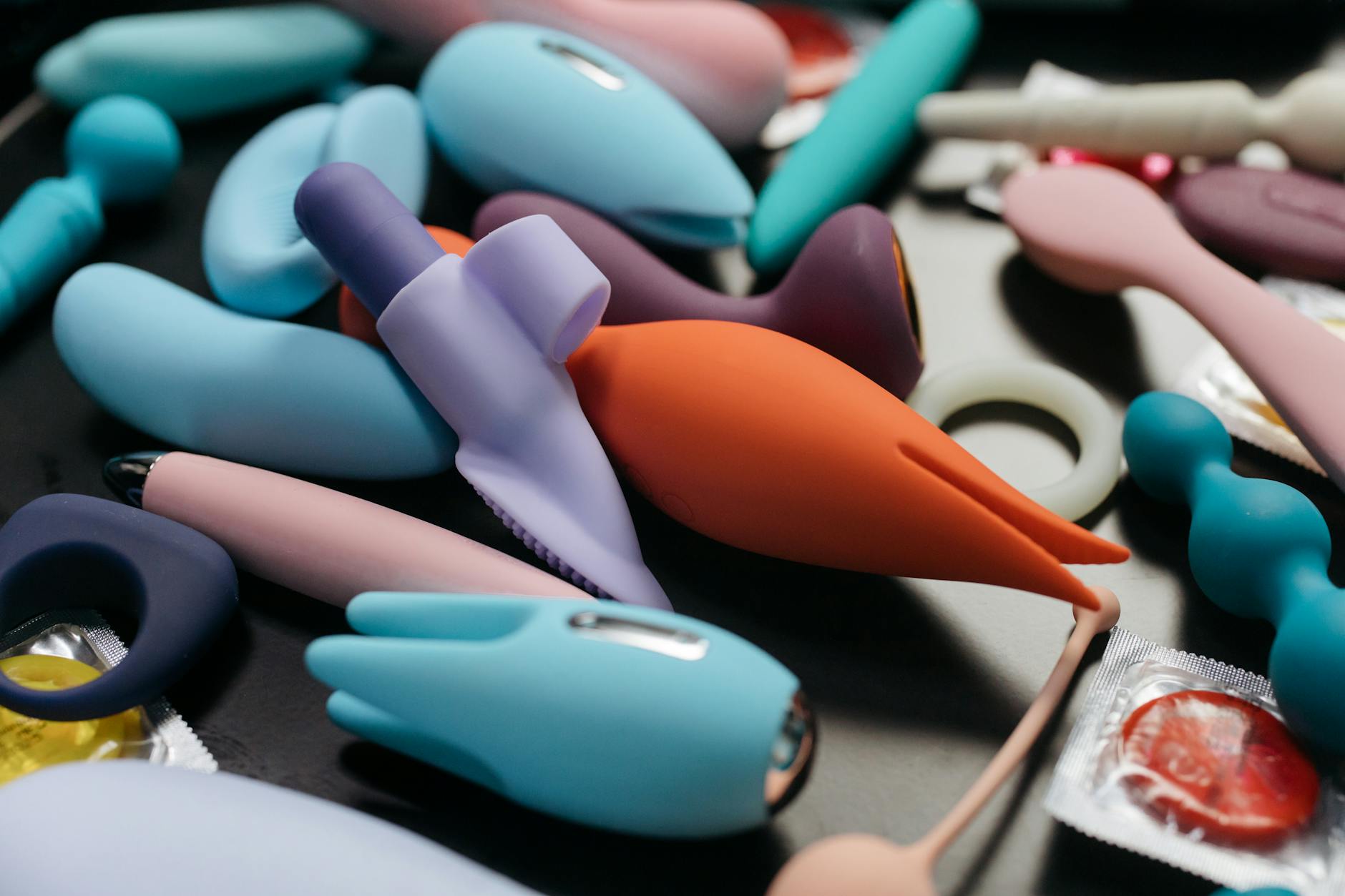
The thing nobody tells you about thin tissue
Thin vulva tissue happens. It's not a medical emergency, and it's not rare. Hormonal changes, age, medication shifts, certain health conditions, prolonged friction without adequate lubrication, or even years of using vibrators with intense direct pressure can all lead to tissue that feels more delicate than it used to. When your clitoris is wrapped in tissue that's thinner or less elastic, sensation changes. Numbness. Muted response. Sometimes discomfort that wasn't there before.
But here's the part that matters: thin tissue doesn't mean the end of pleasure. It means rethinking the tool.
Why direct vibration becomes uncomfortable
When tissue is healthy and thick, a traditional bullet vibrator's high-frequency buzzing feels pleasurable because there's enough tissue cushioning the nerve endings. The vibration has something to press against. With thin tissue, that same vibration can feel sharp, irritating, or even painful. You might notice yourself tensing up, which makes sensation worse. It becomes a cycle: tension reduces sensation, you increase intensity to compensate, intensity causes more tension.
A lemon vibrator's suction-based mechanism works differently. Instead of pushing vibrations into tissue, suction gently pulls and releases, stimulating the clitoris through changes in pressure rather than direct friction. This works beautifully with thin tissue because it doesn't require the tissue to be thick enough to "cushion" the stimulation. The sensation comes from the suction itself, not from vibration against compressed tissue.
How suction feels different (and better) for thin tissue
Think about the difference between poking something delicate versus gently squeezing and releasing it. One creates friction and pressure on a small point. The other creates a sense of fullness and expansion.
That's roughly what's happening when you use a lemon clitoral vibrator on thin tissue. The suction creates what clinicians call "vasocongestion"—increased blood flow and swelling in the clitoris. For thin tissue, this is ideal because it works with the tissue's current state rather than against it. You're not trying to vibrate something that's too delicate to vibrate comfortably. You're creating pleasurable sensations through pressure changes that the tissue can handle.
Most people with thin tissue report that suction-based vibrators feel less irritating and more intense than traditional vibrators at the same intensity level. You get more sensation with less discomfort.
The setup that actually works
Four changes to your routine:
Use water-based lubricant generously. Thin tissue dries out faster, and lubrication creates a better seal for suction. The lem vibrator works best with a small amount of lube inside the cup. Not dripping wet, but definitely wet. This also prevents any uncomfortable tugging on tissue.
Start at the lowest intensity setting. The lowest patterns on a lemon vibrator are actually quite gentle—they feel like a soft pulsing sensation rather than aggressive suction. Begin there and increase only if you want more intensity. With thin tissue, you often don't need to go higher than pattern 3 or 4.
Allow longer warm-up time. Thin tissue can take 10-15 minutes to fully respond to stimulation, especially if you're coming to this after a period of less sensation. Your body needs time to increase blood flow and prepare. This isn't a drawback, it's an invitation to slow down.
Position it consistently. Thin tissue is more sensitive to changes in angle and pressure. Once you find a position that feels good, stick with it. Avoid too much movement or angling. Let the suction do the work.
Common mistakes with thin tissue
Too much pressure from the cup itself. Some people press the cup hard against the body, thinking it'll create better suction. Thin tissue can bruise easily, and hard pressure also causes irritation. Let the cup rest gently and rely on the suction pattern to create the sensation, not your hand.
Not enough lubrication. Dry thin tissue plus suction can feel uncomfortable or create micro-tears you can't see. Lubricant is not optional here. It's part of the setup, like charging the device.
Jumping straight to intense patterns. If you've been using a bullet vibrator and now switching to a lemon suction vibrator, your instinct might be to match the intensity. Don't. Suction is a completely different mechanism. The lowest patterns are often more intense than they feel. Give yourself 3-4 sessions before increasing intensity.
Not checking in with yourself during. Thin tissue responds to stimulation faster than thick tissue sometimes, but also sometimes not at all on a given day. If something feels off, stop. Pain is never the goal. Slight discomfort while adjusting to a new tool is normal. Sharp pain or irritation is your signal to pause, add more lube, or try again another day.
When thin tissue is paired with other changes
If thin tissue arrived alongside vaginal dryness, reduced lubrication, or discomfort during penetrative sex, you might have what's called genitourinary syndrome. A good gynecologist can confirm this and discuss topical treatments that work beautifully alongside pleasure tools. You don't have to choose between medical support and pleasure—they work together.
If you're on hormonal medication or recently changed dosage, give it 6-8 weeks before deciding whether your tissue has permanently changed. Some medications cause temporary dryness that improves once your body adjusts.
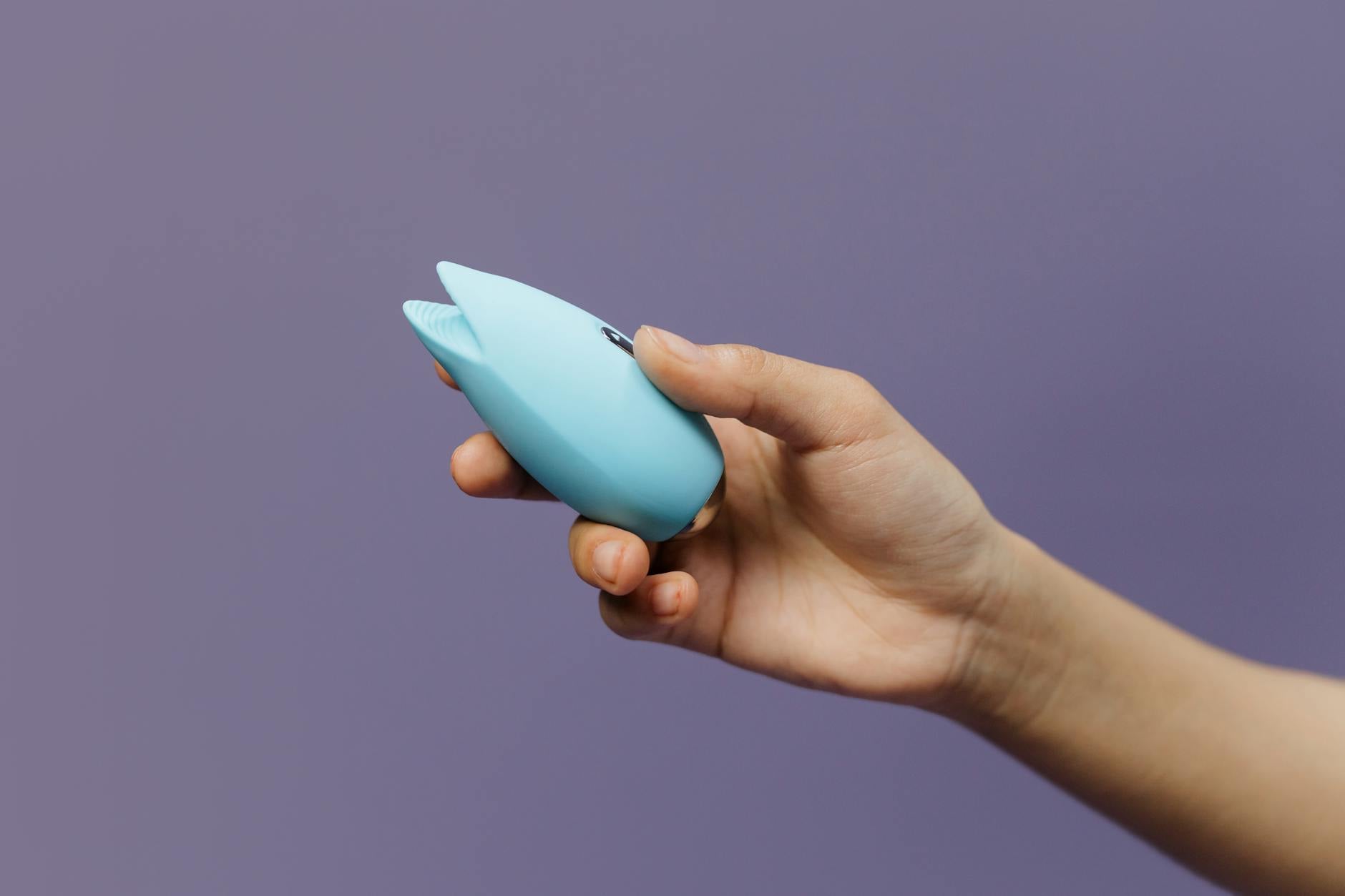
Photo by cottonbro studio on Pexels
The pleasure recovery timeline
If you've been avoiding pleasure because sensation was muted or uncomfortable, your brain has learned to anticipate that numbness or pain. It takes time to retrain that expectation. Many people find that the first few sessions with a lemon clitoral vibrator feel good but not amazing. By session 4 or 5, something shifts. Your nervous system starts to trust the sensation again.
If you've been struggling with clitoral numbness or desensitization, a lemon vibrator can help restore that connection. The suction mechanism is gentle enough for sensitive tissue while still creating meaningful stimulation.
Combining with other tools
Thin tissue doesn't mean you can only use one type of toy. Some people find that pairing a lem vibrator with a wand vibrator creates layered pleasure, though with thin tissue you'd want to use the wand at lower intensity and focus on areas around the clitoris rather than direct contact. Others prefer the simplicity of one tool. Your preference matters more than any rule.
If you're healing from pelvic floor dysfunction and tissue is thin as part of that recovery, check in with your pelvic floor physical therapist before introducing any vibrator. They might have specific recommendations based on where you are in the healing timeline.
The thing to remember
Thin tissue is not broken tissue. It's just tissue in a different state, requiring a different approach. A lemon suction vibrator is designed to work with tissue exactly as it is right now, without asking it to be something else. That's the whole point.
Frequently asked questions
Can I use a regular vibrator on thin tissue?
Yes, but with caveats. Lower intensity, generous lubrication, and checking in frequently. Many people with thin tissue find traditional vibrators uncomfortable at any intensity level because direct vibration against delicate tissue can feel sharp or irritating. That's where a lemon clitoral suction vibrator becomes valuable. It's gentler on thin tissue while often feeling more pleasurable than traditional vibrators.
Will using a lemon vibrator make my thin tissue worse?
No. Gentle suction doesn't damage tissue. In fact, increased blood flow from regular use can improve tissue health over time. Pain during use would be your signal to adjust, but the vibrator itself isn't causing the thinning. If tissue thinning is ongoing, that's a conversation for your doctor, but pleasure tools are safe to use.
How often should I use a lemon vibrator if my tissue is thin?
Start with 2-3 times per week to let your body adjust. Once you're comfortable, daily use is fine if you want it. The more you use it, the more your nervous system learns to respond, and sensation often improves over time.
Is the lem vibrator the only option for thin tissue?
Suction-based vibrators in general work better for thin tissue than traditional bullet vibrators. The lem is one popular lemon clitoral vibrator, but any quality suction vibrator designed for gentle stimulation can help. The key is the mechanism, not the specific brand.
What if suction feels uncomfortable?
Check lubrication first. Add more water-based lube and try again. If it still feels uncomfortable, you might need to start at an even lower intensity setting or reduce how hard you're pressing the cup against your body. Some people also find that slow warm-up sessions without suction, just holding the vibrator gently, helps their tissue adjust.
Should I tell my doctor about thin tissue before using a vibrator?
If you haven't already discussed the thinning with your gynecologist, do that first. They can rule out underlying causes and discuss treatments if needed. Once you have that conversation, pleasure tools are a normal part of the toolkit. Most doctors support this approach.