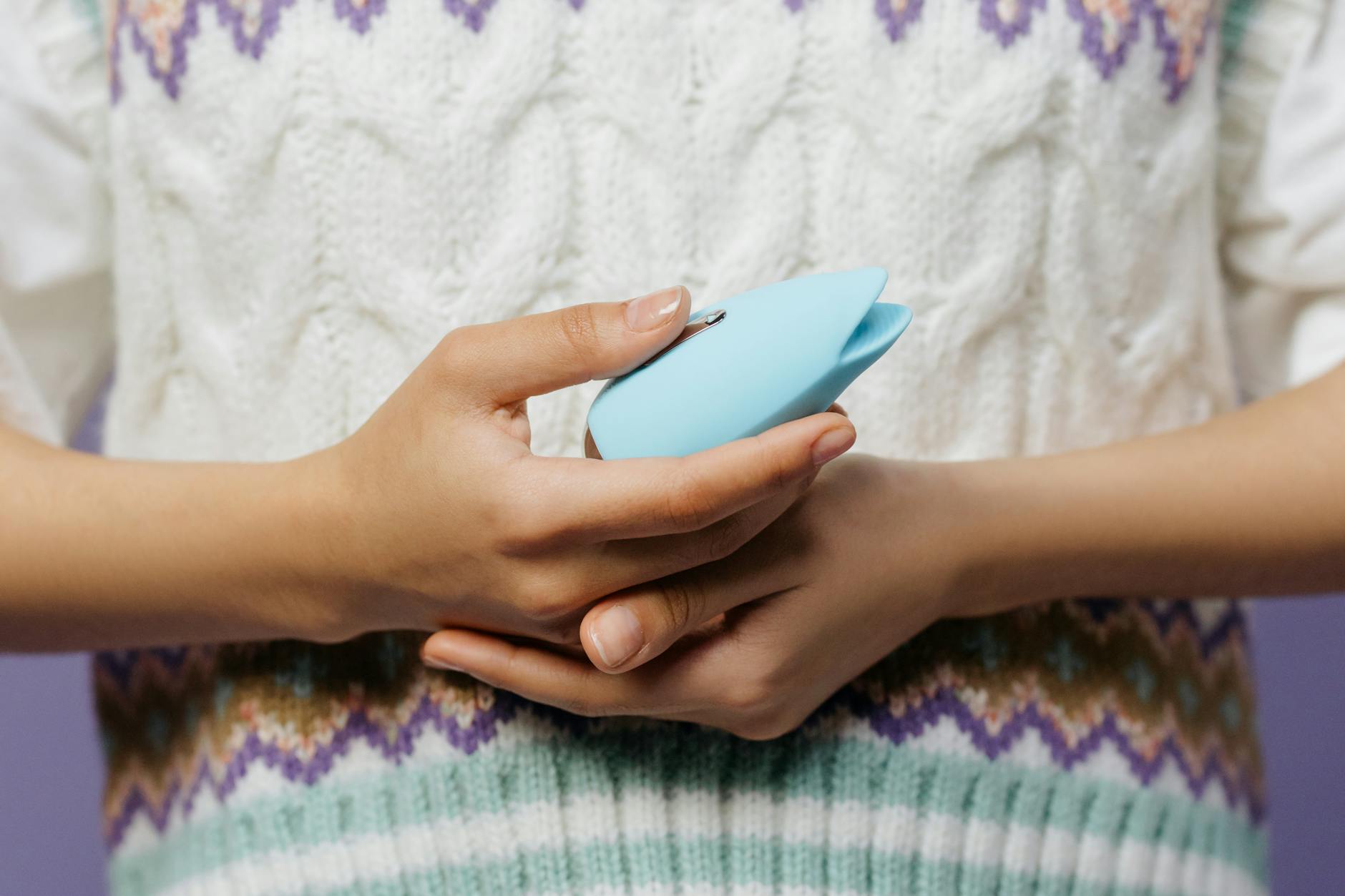
Let's talk about the numbness nobody prepares you for
Desensitization sneaks up quietly. You notice first that orgasms take longer. Then they feel distant, muted. Like you're watching pleasure happen to someone else instead of experiencing it yourself. The sensitivity that used to be automatic becomes something you have to hunt for, and some days you stop hunting at all.
This isn't laziness. Vulva desensitization is real, common, and deeply frustrating. It happens for reasons: repetitive stimulation, hormonal shifts, certain medications, anxiety, relationship fatigue, or sometimes a combination nobody can fully explain. The cruel part is that the harder you chase sensation, the more elusive it becomes. Pressure to perform makes numbness worse.
Here's what matters to know: desensitization is not permanent, and it's not a character flaw. It's a nervous system pattern that can be reset with the right technique and patience.
How desensitization actually works in the body
Your clitoris has roughly 8,000 nerve endings concentrated in one small area. When those nerves receive the same stimulus repeatedly in the same way, they adapt. They stop firing as readily. It's called habituation, and it's your nervous system being efficient. Efficiency is usually good. In this case, it's the opposite problem.
Additionally, anxiety creates a protective response. If past stimulation felt frustrating or goal-focused, your nervous system learns to dampen sensation preemptively. You're essentially numbing yourself before anything else can disappoint you. This is protective. It's also why forcing harder stimulation doesn't work. Your body interprets the pressure as another threat and damps down further.
The Lem's suction mechanism works differently than vibration precisely because of this. Instead of repeating the same micro-friction pattern thousands of times, suction creates a rhythmic pulse that engages deeper nerve pathways. Your clitoris expands when aroused, and suction stimulates the entire erectile tissue network, not just the surface. For desensitized bodies, that's the difference between productive and stuck.
Starting over. The reset protocol.
Week one: sensation mapping without pressure. Spend 10-15 minutes three times per week exploring your own touch with zero goal of orgasm. Use the Lem on the lowest setting (pattern 1) for just 30-60 seconds at a time on different areas around the clitoris. Not directly on it yet. Document what you feel: tingling, warmth, nothing, or a vague awareness. Nothing is useful data too. You're teaching your nervous system that touch doesn't demand anything.
Week two: tolerance building. Increase time to 90-120 seconds. Still pattern 1. Still avoiding direct clitoral contact if that feels overwhelming. Move to the clitoral hood and the sides. The goal is simply to wake up sensation without chasing it. Many people report that this phase alone shifts things. Pleasure isn't the target. Curiosity is.
Week three and beyond: slow intensification. Now try pattern 2 for 1-2 minutes. Direct contact on the clitoris is fine if it doesn't trigger avoidance. If it does, stay on the hood. Patience sounds passive. It's actually the most active thing you can do. You're working against your own protective numbness.
What helps, what doesn't
Three things almost every desensitized client needs:
Actual lube. Thin tissue or chronic friction makes everything feel numb. A good water-based lube reduces the protective tension your body holds. Not for glide alone. For permission. For the body to know this is safe touch.
The absence of an audience. Even the internal audience of performance anxiety kills sensation. Solo exploration first, always. Partner play comes later, after your nervous system remembers what pleasure actually feels like when nobody's keeping score.
Permission to stop. The second you feel pressure or frustration building, you're done. Five minutes is enough. Ten minutes of numb forcing is worse than five minutes of genuine curiosity. Your nervous system learns through consistency, not intensity.
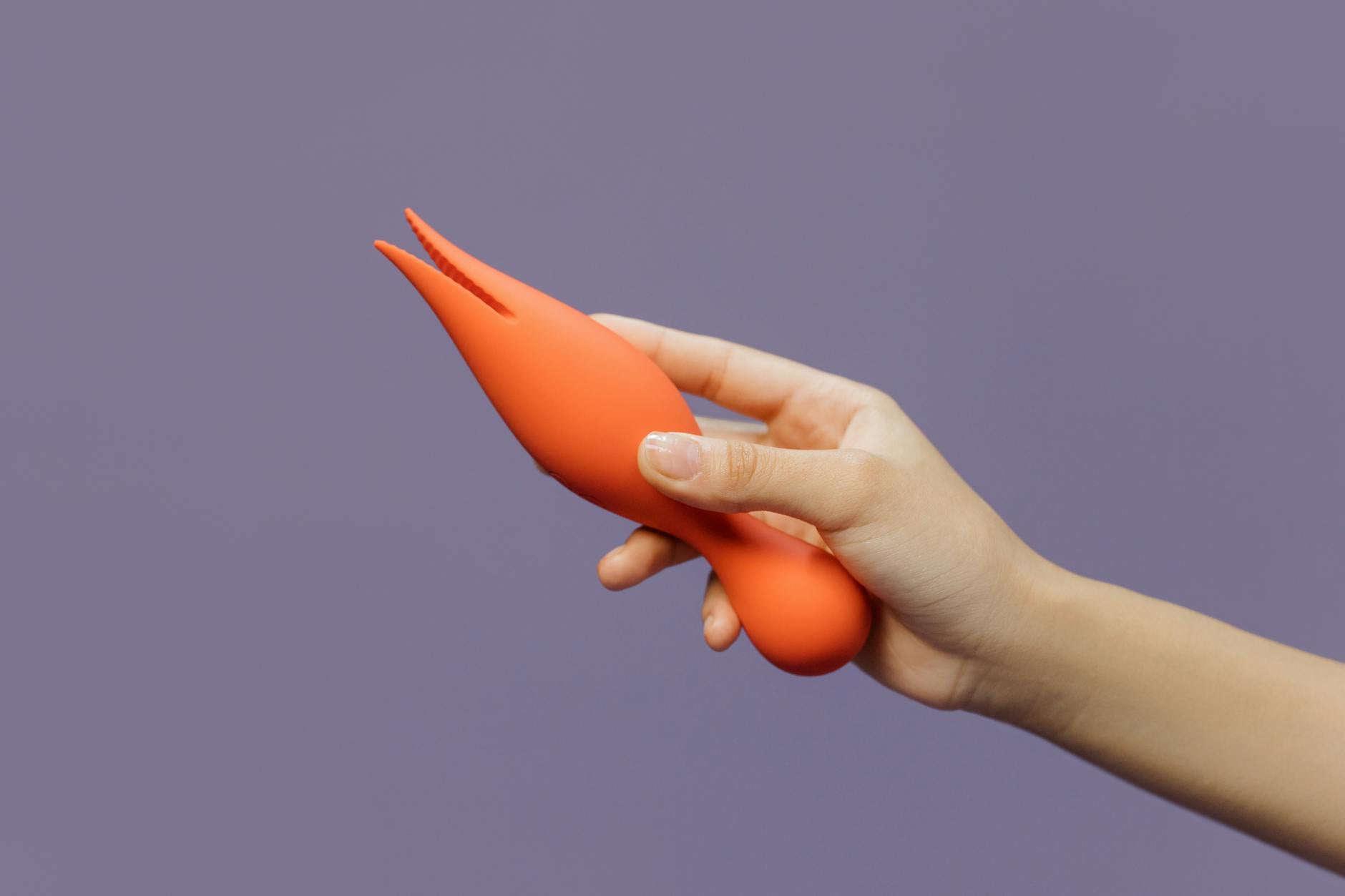
Photo by cottonbro studio on Pexels
When desensitization is connected to something else
If you've been on antidepressants, check <a href="/blog/how-to-use-lemon-vibrator-after-starting-antidepressants">how numbness interacts with SSRI medications</a>. Some antidepressants genuinely suppress sensation, and knowing that can shift your whole approach. You're not broken. Your brain chemistry is doing its job. The fix might involve your doctor more than your toy.
If numbness started after a medical event, injury, or pelvic floor dysfunction, <a href="/blog/how-to-use-lemon-vibrator-for-better-sensation-when-recovering-from-pelvic-pain">understanding the pelvic floor's role in sensation recovery</a> matters. Tight pelvic floor muscles can mimic or amplify desensitization. You might need relaxation work alongside pleasure exploration.
For those navigating hormonal shifts, the good news is that the Lem works exceptionally well for post-menopausal or post-birth bodies because suction doesn't require the same tissue resilience that vibration does. Sensitivity rebuilds faster than you might expect.
The role of your partner (if you have one)
Bring your partner into this only after you've built sensation back alone. Then reframe the conversation entirely. This isn't about solving a problem. It's about rediscovering something together. Many partners worry their touch isn't good enough anymore. What they're really feeling is powerlessness. Sharing the Lem gives both of you something to do instead of something to fix.
Start with the partner watching you use it alone. Then mutual exploration. The goal isn't sex. It's reconnection and curiosity about sensation together. That distinction matters.
Patience is the actual protocol
Most people see a shift in 2-4 weeks of consistent, gentle use. Some need 6-8 weeks. A few need months. The timeline depends on how long you've been numb, why the numbness started, and how much pressure you're putting on yourself to hurry it. The irony is that impatience restarts the cycle. Gentleness breaks it.
One thing I tell every client: sensation recovery isn't linear. You might have a great session and then feel totally flat again the next day. That's normal. Your nervous system is learning to trust again. That learning isn't smooth. It's messy and nonlinear and completely human.
Desensitization convinced you that pleasure was gone. The truth is quieter. Your sensitivity is still there. It's just sleeping. The Lem's suction technology can wake it up safely, without force or shame. That's the whole point.
People also ask
How do I know if my numbness is from desensitization or something medical?
Desensitization is usually gradual and connected to patterns. You felt sensation before, and it's decreased over time. Medical issues like nerve damage feel different. They're often one-sided, sharp, or connected to a specific injury or medication change. If you're unsure, a gynecologist trained in sexual health can help clarify. Nothing in this guide replaces that conversation. But most chronic numbness is nervous system habituation, not structural damage.
Can the Lem actually fix desensitization or does it just work around it?
The Lem works by introducing a different stimulus pattern your nerves haven't adapted to yet. That novelty helps rebuild responsiveness. But the real fix happens in your nervous system learning to feel safe again. The Lem is a tool in that process, not the entire process. Consistency, patience, and removing performance pressure do 70% of the work. The tool does 30%. Both matter.
Is it normal to feel nothing at first with the Lem if I'm deeply desensitized?
Completely normal. If your body has been protecting itself through numbness, even a new sensation might register as "maybe something," not "oh wow, pleasure." That's progress. Your nervous system is starting to listen. Keep the sessions short and pressure-free. Sensation will build over time. Trying to force feeling in week one is the exact pattern that created the problem in the first place.
Should I use the Lem more often to rebuild sensation faster?
No. Consistency beats frequency. Three 10-minute sessions per week is better than one 30-minute marathon. Your nervous system learns through repeated safe exposure, not intensity. Overuse can actually trigger habituation again. Slow, regular contact rewires your sensitivity more effectively than aggressive use.
What if numbness is tied to anxiety about performance or pleasing a partner?
Then solo exploration is critical before any partner play. When someone else is watching, your nervous system stays in protection mode. That's not failure. That's biology. Spend a month or two with yourself and the Lem. Learn what pleasure feels like without judgment or audience. Then, when you bring your partner in, you're not trying to solve anything. You're sharing something you've already rediscovered.
Can hormonal changes affect how the Lem works for desensitization?
Absolutely. Estrogen, testosterone, and other hormones change how easily nerves fire. If your numbness coincides with a hormonal shift (hormonal birth control, stopping birth control, perimenopause, postpartum), your sensitivity patterns will change with your cycle or medication status. That's useful to know. It also means patience during transitions is even more important. Your baseline sensitivity might be different on the other side of a hormonal shift. That's not worse. It's just different.
Desensitization is one of the hardest things to talk about in intimate life because it feels personal. Like your body betrayed you. The truth is your nervous system did exactly what it needed to do. It protected you. Now it's time to gently, consistently teach it that pleasure is safe again. The Lem's lemon suction technology gives your nerves a completely new pattern to respond to. That novelty, paired with patience and genuine care for your own sensation, is often what finally breaks the cycle.