Let's name the thing nobody wants to say
Your partner stopped initiating. Maybe they're stressed. Maybe it's work, health, medication, or grief. Maybe they're still attracted to you but sex feels complicated now. Whatever the reason, the mismatch hurts. You feel rejected. They feel pressured. And now sex has become this conversation neither of you wants to have.
Here's what I see clinically: the couples who move through this best aren't the ones who ignore it or white-knuckle through it. They're the ones who introduce a third thing into the dynamic. Not a person. A tool that removes the performance pressure and lets both of you remember why you liked this in the first place.
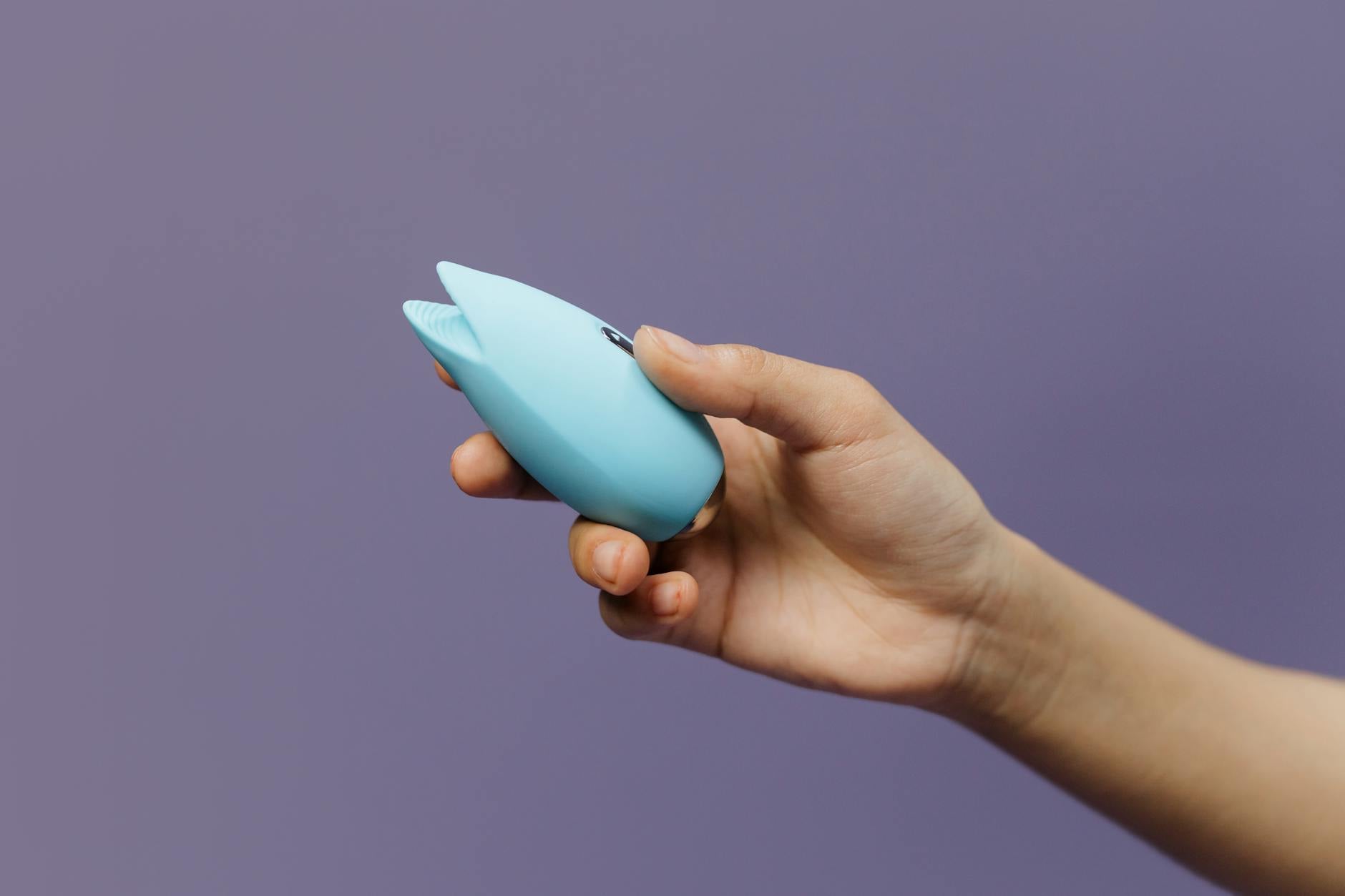
A lemon vibrator, specifically a clitoral vibrator like the Lem, can be that tool. But only if you use it right. Not as a workaround for your partner's low desire. As a way to rebuild curiosity together.
Why your partner's low libido isn't actually about sex
I'll be direct: if someone stops wanting sex with you, something is different for them. Stress, health changes, medication shifts, relationship distance, depression, exhaustion. Sex requires vulnerability, and vulnerability is hard when you're already depleted.
But here's what complicates it further. The moment you start feeling rejected, you tense up. You stop initiating because it feels safer. You make less eye contact. You're kinder but more distant. And your partner feels that shift. They know you're hurt. Now they feel guilty on top of whatever made them lose interest in the first place.
This is the cycle that kills couples. Not the low desire itself. The silence around it.
A tool like a clitoral vibrator interrupts that cycle. It's not about fixing their libido. It's about saying, out loud, "I still want this. I still want us. And I'm curious about what might work now."
The conversation before you use it together
Do not surprise your partner with a vibrator during sex. I don't care how progressive they are or how good your relationship is. Introducing a tool without consent reads as pressure, even if you mean it as invitation.
Instead, bring it up outside the bedroom when you're both calm. Not during a fight. Not when either of you is tired. Sit down and say something like:
"I've noticed things have shifted between us sexually, and I don't want to ignore it. I'm not blaming you. I just miss being close to you that way. I bought something I thought might help us explore together. No pressure. Just curious if you'd be open to trying it."
Notice what that does. It acknowledges the pattern without shaming them. It centers your desire and your curiosity, not their failure. It gives them agency. And it introduces the tool as a shared experiment, not a weapon.
If they say no, don't push. Ask what would feel better. Maybe they're not interested in penetrative sex right now but would enjoy outercourse. Maybe they want to slow way down. Maybe they need to address the stress first. Your job is to listen, not to convince.
If they're open, move to the next part.
How to use a clitoral vibrator when desire is lopsided
Start with the vibrator solo. Alone, in private, with no expectation that your partner will see or participate. This does two things. It lets you become genuinely comfortable with how the tool feels. And it reminds your body that pleasure is still possible even if your partner isn't initiating it.
Many people skip this step because they think the vibrator is only meaningful if they use it together. Wrong. Your own pleasure is your part of the conversation. It says, "I'm not waiting for you to want this. I want it."
When you're ready to involve your partner, frame it as observation, not performance. You're not using it to get off for their entertainment. You're saying, "I want you to see what helps me feel good. Not because I need you to perform. Because I want you to know me."
Start with a low intensity. A lemon clitoral vibrator or similar suction-based toy is gentler than a traditional vibrator because it distributes stimulation over a wider area. Begin on the lowest pattern, or even just the suction without vibration. Let your nervous system settle. Your partner can sit nearby, not touching, just present.
If that feels comfortable, you can ask them to touch you elsewhere. A hand on your chest. Fingers in your hair. They're not doing the work. They're connected to it.
Why this matters when desire is unequal
Here's what I notice in couples where one partner has lost interest: the person with lower desire often feels like they've failed. They think they should want sex and they don't, and that gap makes them feel broken. The person with higher desire feels rejected and starts believing their partner doesn't want them.
Both beliefs are usually false.
When you introduce a vibrator and say, "I'm using this. I'd love for you to be here while I do," something shifts. The person with lower desire gets to participate without having to generate desire they don't have. They can watch. They can witness their partner's pleasure. They can touch without performing. And pleasure, when it happens, becomes less about obligation and more about genuine interest.
The person with higher desire gets to experience pleasure regardless of their partner's libido. They're not waiting anymore. And paradoxically, that often makes their partner more interested because the pressure is gone.
The tools and patterns that work best
For couples navigating this particular dynamic, I recommend suction-based vibrators over traditional bullet vibrators. Toys like the Lem offer air-suction stimulation that feels less aggressive and more enveloping. When desire is fragile, that matters.
Start with patterns 1 through 3. Don't skip to intensity. Most people with lower libido find that slower, more rhythmic stimulation rebuilds curiosity faster than rapid, intense patterns.
Time matters too. Don't expect this to lead to penetrative sex. The win here is reconnection, not an orgasm. If an orgasm happens, great. If it doesn't, that's not failure. You're rebuilding trust in your bodies together.
Set a reasonable time frame. Ten to fifteen minutes. Longer than that and nervous systems stay activated. Shorter and it feels rushed. Afterward, hold each other. No debrief. No performance review. Just presence.
When to bring in actual help
If your partner's low desire is linked to depression, medication, health issues, or past trauma, a vibrator won't fix that. It can open a conversation, but it can't solve the underlying problem.
If they're willing, see a therapist who specializes in couples and sexuality. If they're not willing, be honest with yourself about what you can and can't accept long-term. You can't want sex for both of you.
If the low desire is actually low attraction to you specifically, that's a different conversation entirely. A vibrator can't fix that either. That requires actual couples work or a real reckoning about whether this relationship still fits.
But if the low desire is situational. If it's stress or distance or numbness or grief. If your partner still loves you and wants to reconnect but doesn't know how. Then a tool and a conversation can genuinely help.
The bigger picture
Desire isn't constant. It fluctuates across decades. What works at 30 doesn't work at 50. What works during newlywed bliss doesn't work during "we have three kids and we're both exhausted." What works in summer doesn't work in January.
Couples who stay connected sexually are the ones who keep asking, "What helps us now?" Not "What should we be doing?" Not "Why is my partner broken?" Just honest curiosity.
A vibrator is one answer. But the real tool is the conversation. The one that says, "I still want you. I'm paying attention to what that means for us right now. And I'm willing to try something different."
That's the part that rebuilds intimacy. The vibrator is just the vehicle.
Frequently asked questions
Can using a vibrator with my partner make their desire come back?
No, and that's important. A vibrator can open the door to reconnection. It can reduce performance pressure. It can make sex feel less obligatory. But it can't manufacture desire that isn't there for other reasons. If your partner's low libido is rooted in depression, medication, health issues, or attraction problems, those need to be addressed separately. A tool can complement that work, not replace it.
My partner is embarrassed about using a vibrator. How do I move forward?
Don't push. Embarrassment usually signals that sex education was shame-based or that they learned to view pleasure as something to hide. Forcing it faster will only reinforce that shame. Instead, stay matter-of-fact. Use it on your own if they're comfortable with that. Share articles or resources if they're open. Let them know it's normal and you're not judging. Sometimes people just need time and exposure before they're ready. Respect that timeline.
What if introducing a vibrator makes things worse?
It can, briefly. If your partner interprets it as criticism or pressure, you've made the emotional distance worse before you make it better. That's why the conversation before matters so much. You're not saying "this will fix us." You're saying "I want to explore together." If they still feel criticized, that's worth understanding. Maybe the issue isn't the vibrator. Maybe there's deeper disconnection that needs a therapist's help.
Is it normal for couples to need a vibrator to reconnect sexually?
Yes. Absolutely normal. Life changes desire. Stress, health, medication, exhaustion, relationship distance. A tool that removes performance pressure and rebuilds curiosity is incredibly useful. There's nothing shameful about needing it. If anything, it's a sign you're paying attention.
How often should we use a vibrator together if we're rebuilding desire?
Start small. Once a week or every other week. Make it something you both look forward to, not an obligation. The frequency matters less than the consistency. You're rewiring your nervous systems to associate intimacy with pleasure again, not anxiety. That takes time. Pushing too hard defeats the purpose.
What if my partner wants to use the vibrator but still doesn't want penetrative sex?
Then you have your answer about what works for them right now. And that's enough. Not all intimacy has to end in penetration. Many couples find that external stimulation and connection without penetration actually deepens their bond because there's less performance pressure. Roll with what your partner is willing to give and meet them there.
If my partner uses a vibrator with me, does that mean they're cheating?
No. A vibrator is a tool, not a person. It's not emotional betrayal. It's not replacing them. It's an object that creates a certain type of sensation. Your partner chose you. They chose to explore this with you. That's intimacy, not infidelity.