Let's talk about what nobody warns you about
Pelvic surgery changes the landscape. Whether you've had a hysterectomy, fibroid removal, endometriosis excision, or any procedure that involved the pelvic region, your clitoris hasn't forgotten what happened down there. The nerves are still waking up. The tissue is still healing. And pleasure, which used to feel automatic, now feels uncertain.
That's not dysfunction. That's recovery. And it requires a different approach to pleasure than you used before surgery.
Why your clitoris feels different after pelvic surgery
Pelvic surgery doesn't directly damage clitoral tissue in most cases, but it does something equally significant: it disrupts the nervous system's relationship to that tissue. Surgical trauma, even minimally invasive procedures, triggers inflammation and swelling in surrounding tissue. Your clitoris sits at the intersection of multiple nerve pathways. When those pathways have been stressed by surgery, stimulation that once felt wonderful can feel overwhelming, numb, or even painful.
There's also the psychological layer. Your body has been invaded and repaired. Even if you logically understand that the surgery was necessary, your nervous system may be running a protection protocol. It's not paranoia. It's biology. Your body is being cautious, and that caution translates into reduced sensation or heightened sensitivity depending on the surgery type and your individual healing.
The good news: this changes. Most people report significant restoration of normal sensation within 3-6 months post-op, and continuing improvement for up to a year. But during that window, you need tools that work WITH this sensitivity, not against it.
Why traditional vibrators feel too much right now
Conventional vibrators, whether bullets or wands, rely on vibration or friction to stimulate. That approach makes sense for most bodies most of the time. But for post-surgical tissue that's inflamed, tender, or struggling to recognize normal sensation, vibration can feel jarring. It's like someone shouting when you have a migraine. The intensity is the problem.
Wand vibrators are particularly problematic because they're designed to deliver broad, penetrating vibration across a wide surface. After surgery, that diffuse pressure can feel uncomfortable or even trigger pain responses. Bullet vibrators are gentler but still rely on direct oscillation against sensitive tissue.
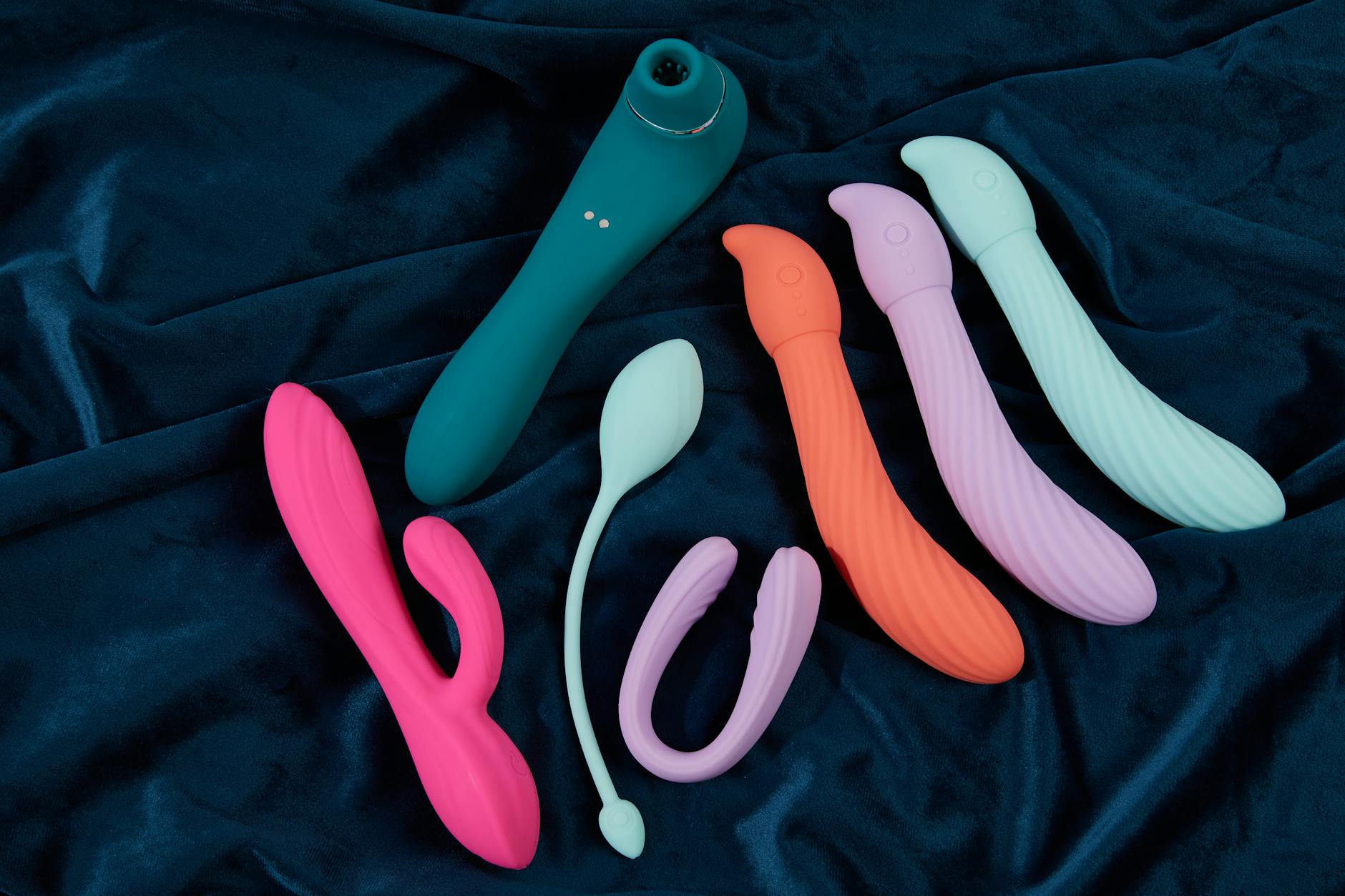
Lemon clitoral vibrators, which use suction-based stimulation, work on a completely different principle. Instead of vibrating against tissue, they create a gentle vacuum that draws blood into the area and stimulates through indirect pressure. For post-surgical bodies, that's the difference between someone tapping you repeatedly on the shoulder and someone gently stroking your arm.
How suction-based lemon vibrators support post-surgical healing
Here's what makes a lemon vibrator different for your recovery:
Reduced direct pressure. Suction stimulates without the aggressive contact that friction-based vibrators demand. That gentleness is critical when tissue is healing. The sensation builds through indirect stimulation, which your nervous system typically interprets as safer.
Lower entry-level intensity. Most lemon vibrators, like the Lem, start at settings that are genuinely subtle. You're not forcing yourself to tolerate a certain baseline of intensity just to use the device. Pattern 1 feels almost like a whisper. That matters when your body is still learning to process sensation.
Better blood flow without pain. Suction actually increases blood flow to the clitoris, which supports healing. Vibration can do this too, but it does it more aggressively. The healing benefits come with the gentle approach.
Less neuropathic confusion. Post-surgical nerves are literally rewiring. They're recalibrating what normal sensation feels like. Introducing a stimulus that's too intense or too different can confuse that process. Suction-based stimulation feels more physiologically aligned with how the clitoris naturally responds to touch.
A practical timeline for post-surgical recovery and pleasure
I typically recommend this phased approach with my clients recovering from pelvic surgery:
Weeks 1-4: Hands off. Follow your surgeon's guidelines exactly. If they say no penetration, no masturbation, that includes any toy-based pleasure. This is non-negotiable. Healing takes priority.
Weeks 4-8: Gentle exploration. Once you have medical clearance, a lemon vibrator on its lowest setting can help you reintroduce sensation without pressure. Start with the device off. Hold it against your clitoris. Feel what touching yourself feels like now. Then try pattern 1 for just 30 seconds. This is research, not performance. The goal is information, not orgasm.
Weeks 8-12: Finding your new baseline. Your body is clearer now about what it can handle. Experiment with longer sessions, slightly higher patterns, different positioning. A lemon vibrator's range makes this exploration safe. You're rebuilding the conversation between your mind and your body.
3+ months: Integration. Most people find their pleasure capacity returning significantly by this point. You might discover that your preferences have shifted, your orgasms feel different, or your speed-to-arousal has changed. That's normal. Post-surgical bodies sometimes teach us something new about what we actually want.
What to actually do the first time you use a lemon vibrator post-surgery
Don't just power it on and hope for the best. Here's the protocol:
Choose a time when you're alone, relaxed, and not under any time pressure. Healing is not a performance. Give yourself 20-30 minutes of mental space. Set the device to the absolute lowest pattern. Many lemon vibrators have 5-10 patterns. Start at 1. Place it lightly against your clitoris. The suction creates a seal, so you'll feel it shift and draw slightly. That's the point. Let it sit there for 15-20 seconds without any additional movement. Notice what you feel. Is it pleasant? Neutral? Uncomfortable? That information is gold.
If it feels okay, try moving the device slightly, maybe in a small circle. Then stop. Take a break. Your nervous system needs time to process. Return to pattern 1, same approach. Keep sessions short. 5-10 minutes is enough, especially early on. Your clitoris doesn't need to work hard right now. It needs to remember that touch can be safe.
If you feel pain (not discomfort, actual pain), stop. Check in with your surgeon. Pain is information that something's not ready yet.
The psychological piece nobody talks about
After pelvic surgery, reclaiming pleasure is not just physical. Many people feel disconnected from that part of their body. Using a device to explore sensation can feel clinical or even triggering if you're not prepared for that emotional weight.
That's why I recommend pairing the physical exploration with some real talk: your body didn't fail you. Surgery was healing, not violation. Your clitoris is not broken. It's recovering. And you deserve to feel good again, in whatever way that looks like for you.
If you have a partner, bring them into the conversation early. Not necessarily into the room, but into the acknowledgment that you're healing and you're doing this. Shame thrives in silence. Communication about post-surgical pleasure, even if it's awkward, releases a lot of that weight.
When to reach out for help
If after 3 months of gentle exploration with a lemon vibrator you're still experiencing pain or complete numbness, contact your gynecologist. Persistent post-surgical pain can indicate adhesions, nerve damage, or infection that needs attention. That's not failure. That's your body telling you it needs a different kind of support.
If emotional blocks are keeping you from trying, a therapist who specializes in sexual health and post-surgical recovery can help. This is real work, and support matters.
Reclaiming pleasure after pelvic surgery is possible. It's not the same as before, but it's not less. Many people discover that the patience and intention required in recovery actually deepens their capacity for pleasure once they're through it. A lemon vibrator, with its gentle, indirect approach, is often the perfect tool for that journey.
People also ask
How long after pelvic surgery can I use a vibrator?
Wait for your surgeon's clearance, typically 4-6 weeks post-op for minimally invasive procedures and 6-8 weeks for more invasive surgery. Clearing the physical barrier doesn't mean full intensity is safe. Start with a lemon vibrator on the lowest pattern, and listen to your body. Pain is your signal to wait longer.
Will a lemon vibrator help with numbness after surgery?
Often, yes. The suction-based stimulation of a lemon vibrator can help reintroduce sensation gently by increasing blood flow and stimulating through indirect pressure. This is different from the direct vibration of traditional toys, which may feel too intense on numb tissue. Be patient. Sensation often returns gradually over weeks.
Can I use a lemon vibrator if I'm still bleeding after surgery?
No. Vaginal bleeding post-op means tissue is still actively healing. Wait until bleeding has completely stopped and your surgeon gives clearance before introducing any internal or external stimulation.
Is it normal for my clitoris to feel painful when touched after surgery?
Mild tenderness and sensitivity are normal in the early weeks. Sharp pain is not. If you're experiencing pain beyond the first 4-6 weeks, or if pain increases rather than improves, talk to your surgeon. This could indicate adhesions, nerve irritation, or other complications that need evaluation.
What pattern should I start on with a lemon vibrator post-surgery?
Always start on pattern 1 or the lowest available setting. Many lemon vibrators offer 5-10 patterns. The first pattern is intentionally gentle. Spend a full week or two at this level before experimenting with higher patterns. Slow progression prevents re-injury and helps your nervous system recalibrate safely.
Can a lemon vibrator cause re-injury if I use it wrong?
Unlikely if you follow post-op clearance and start on the lowest pattern. The suction-based design of lemon clitoral vibrators makes them inherently gentler than friction-based toys. That said, respect your surgeon's timeline, start low, and stop immediately if you feel sharp pain. Your body's signals matter more than any device recommendation.