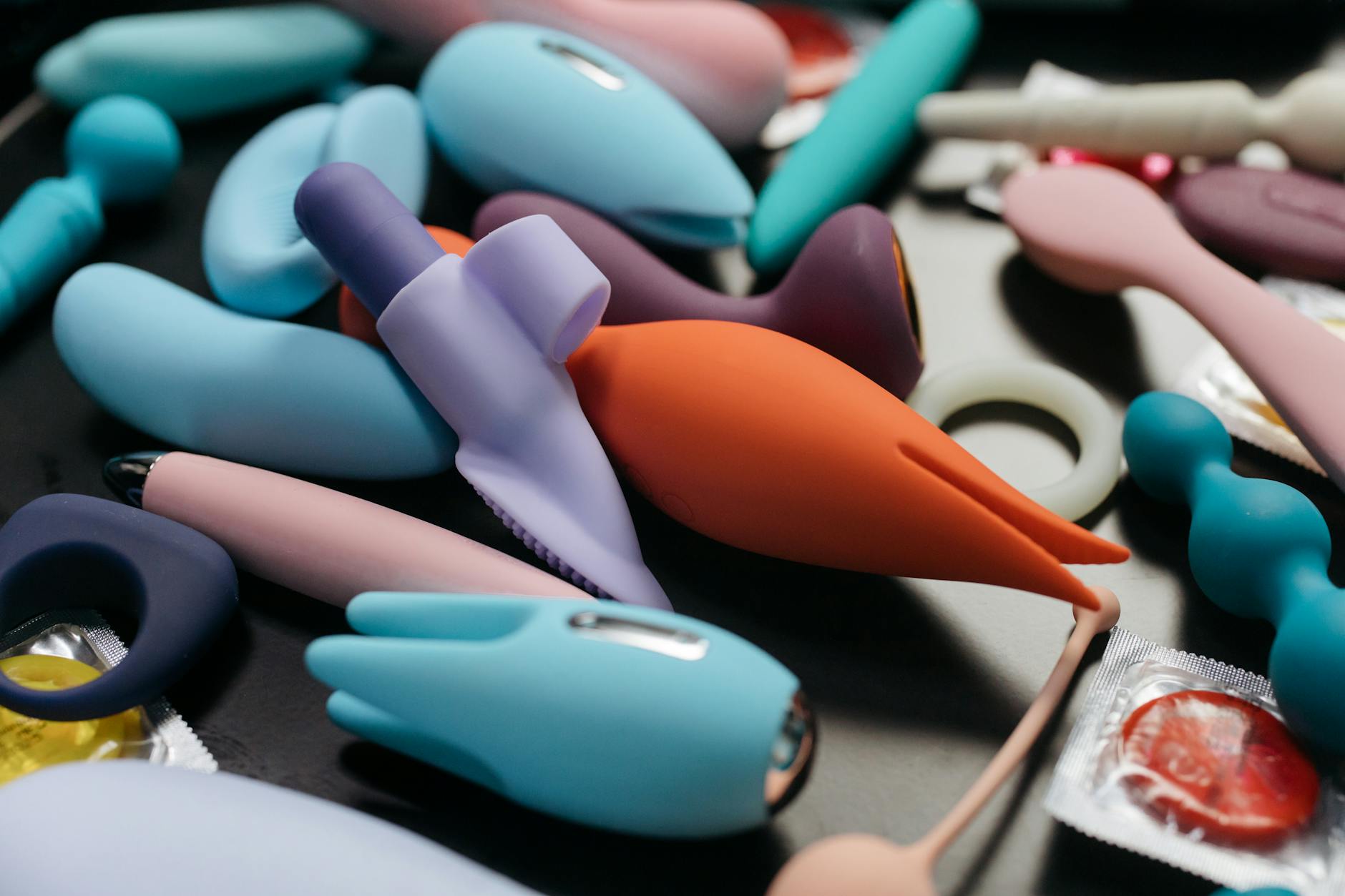
Here's what nobody tells you about pelvic floor dysfunction
When your pelvic floor tightens up, pleasure becomes a moving target. The muscles that are supposed to relax and contract during arousal get stuck in clench mode. Your body can't build toward orgasm the way it used to. Some people lose the ability entirely. Others feel orgasms that are shallow, delayed, or painful. It feels broken. It's not. But it needs a different approach.
The good news is that lemon vibrators like the Lem work with pelvic floor dysfunction in ways traditional vibrators don't. This is specifically why.
Why pelvic floor tension blocks orgasm
Your pelvic floor is a hammock of muscles that support your bladder, uterus, and bowel. When you're aroused, these muscles are supposed to tighten slightly, then release and contract rhythmically during orgasm. That's the whole mechanism.
Pelvic floor dysfunction means those muscles stay contracted. They won't relax. This happens from childbirth trauma, chronic pain conditions, stress, anxiety, or sometimes for no clear reason at all. The result is that arousal builds differently. Sensation gets muted. Orgasms, if they happen, feel incomplete or blocked.
Traditional vibrators make this worse because they rely on direct, repetitive friction. They need your pelvic floor to release to work properly. If your muscles are locked, the vibration just adds frustration.
How lemon suction vibrators change the game
A lemon clitoral vibrator uses air-suction technology instead of traditional vibration. This means it stimulates the clitoris through gentle pressure waves rather than mechanical vibration. For someone with pelvic floor dysfunction, this is a game-changer.
Here's why: suction doesn't require your pelvic floor to do anything. It works on the nerve endings directly without depending on muscle release. You can be locked up tight and still get strong, consistent stimulation. The Lem, for example, creates a gentle seal around the clitoris and pulses air in specific patterns. No friction. No deep vibration that triggers pelvic floor guard reflex.
Suction also tends to build sensation more gradually. Instead of aggressive stimulation that your nervous system rejects when it's already defensive, you get something that feels safer. Your body can ease into it.
The practical setup for recovery
If you're using a lemon vibrator for the first time after pelvic floor issues, these three things matter most.
Start with the lowest settings. The Lem has five intensity levels. Begin at level one or two. Your goal isn't orgasm right now. It's nervous system safety. Let your body learn that touch can feel good without triggering tension.
Extend your warm-up time. Spend 20 to 30 minutes on mental arousal before you even introduce the vibrator. Read erotica. Watch something that interests you. Get into your body mentally first. Pelvic floor dysfunction almost always has an anxiety component. Your nervous system needs permission to relax.
Use external stimulation only. Don't try penetration or internal touch while you're rebuilding. Keep the Lem on the external clitoris. Nothing internal. This removes pressure and lets you focus on sensation without fear.
Many people find that after two to three weeks of consistent practice at low intensities, sensation returns noticeably. Orgasms don't always come back immediately, but the ability to build arousal starts to. That's progress.
The pelvic floor relaxation piece
Honestly though, the vibrator alone isn't enough. You need to teach your pelvic floor how to actually relax. This is where most recovery stalls.
Kegels (pelvic floor squeezes) are helpful, but only half the equation. You also need reverse Kegels, which is learning to voluntarily relax the pelvic floor. This takes practice.
Try this: lie down, take a slow breath in for four counts, then exhale for six. As you exhale, imagine your pelvic floor muscles softening and releasing downward. Not pushing hard. Just letting go. Do this for five minutes before you use your lemon vibrator. You're priming the system to receive pleasure.
If you've had significant trauma or the dysfunction is severe, working with a pelvic floor physical therapist makes a huge difference. They can assess what's actually going on and give you targeted exercises. This combined with a clitoral vibrator that doesn't demand muscle engagement speeds recovery significantly.
Managing anxiety during the process
Pelvic floor dysfunction almost always comes with anxiety. Your body learned that arousal or touch equals pain or discomfort, so it guards against it. Using a vibrator can trigger that old protection reflex, especially early on.
If you notice tension rising when you use your lemon vibrator, pause. Breathe. It's not failing. Your nervous system is doing its job. The point is to gradually retrain that response.
Many people find that they need to stop and start multiple times before orgasm happens again. That's completely normal. You're rebuilding neural pathways that got disrupted. That takes time and repetition, not perfection.
If you have a partner, tell them what's happening. "I'm rebuilding sensation and it might take multiple sessions before anything conclusive happens" is honest and helpful. It removes the pressure of performance, which is often half the problem.
When to know you're ready to build intensity
After three to four weeks of consistent, low-intensity use of a lemon clitoral vibrator, you'll usually notice that arousal builds more smoothly. You'll feel sensation returning. That's when you can gradually move to higher intensity levels.
Don't jump levels too fast. Go one level up, use that for a week, then reassess. Your goal is to retrain your nervous system to associate arousal with pleasure, not fear. That retraining works better when it's gradual.
Orgasm might feel different when it comes back. It might be less intense than before. It might take longer. All of that is okay and often changes over time. Your body is learning a new path to pleasure after dysfunction disrupted the old one.
The role of patience and permission
Recovering orgasm after pelvic floor dysfunction is as much psychological as physical. Your body learned to protect itself by staying tense. Reversing that protection takes genuine permission to receive pleasure without judgment.
That's the thing about a lemon sucker like the Lem or other lemon vibrators. They're not a magic fix. But they remove one major obstacle: the need for your pelvic floor to cooperate in the traditional way. They meet your body where it is, not where it's supposed to be. And that's the foundation everything else builds from.
People also ask
Can pelvic floor dysfunction cause complete loss of orgasm?
Yes, temporary complete loss of orgasm can happen with pelvic floor dysfunction. The muscles that create orgasmic contractions are locked, so even if arousal builds, the release doesn't happen. The good news is that this is almost always reversible with the right approach. Most people regain orgasm within a few weeks to months of targeted recovery work. A lemon clitoral vibrator helps because it doesn't depend on pelvic floor release to create sensation.
How long does it take to feel normal again with a lemon vibrator?
There's no standard timeline, but most people notice improved sensation within two to three weeks of consistent low-intensity use. Orgasm typically returns within four to eight weeks. Some people take longer depending on how long the dysfunction lasted and whether they're also doing pelvic floor relaxation work. The key is consistency, not intensity.
Should I see a physical therapist before using a lemon vibrator?
It's helpful but not required. If your dysfunction is mild, starting with a lemon vibrator and relaxation techniques often works fine. If pain is involved, if you have a history of trauma, or if you've had multiple failed recovery attempts, a pelvic floor PT assessment is worth it. They can rule out structural issues and give you targeted exercises that complement vibrator use.
Can lemon vibrators actually help pelvic floor dysfunction or just mask it?
They do both, and that's actually useful. The suction stimulation helps retrain your nervous system to associate touch with pleasure rather than fear or pain. That nervous system retraining is part of actual recovery, not masking. At the same time, you also need to do relaxation work and possibly pelvic floor exercises. The vibrator is one tool in the toolkit, but it's a tool that works differently than traditional vibrators for this specific issue.
Is it normal to feel no sensation at all the first time I use a lemon vibrator after pelvic floor dysfunction?
Completely normal. Your nervous system might be defended against sensation right now. Try a few more sessions before deciding it's not working. Many people feel nothing for the first three to five uses, then suddenly sensation clicks in. This is your system learning to trust touch again. If you're still feeling nothing after two weeks of regular use, that's when to check in with a pelvic floor PT.
What if using a lemon vibrator makes the tension worse?
Stop and go back to basics. You might need more pelvic floor relaxation work before introducing any stimulation. Try breathing exercises and gentle stretching for a week, then try the vibrator again at a very low intensity for just two to three minutes. Tension increasing usually means your nervous system isn't ready yet, not that the tool is wrong. Some people need to build more nervous system safety before external stimulation feels okay.