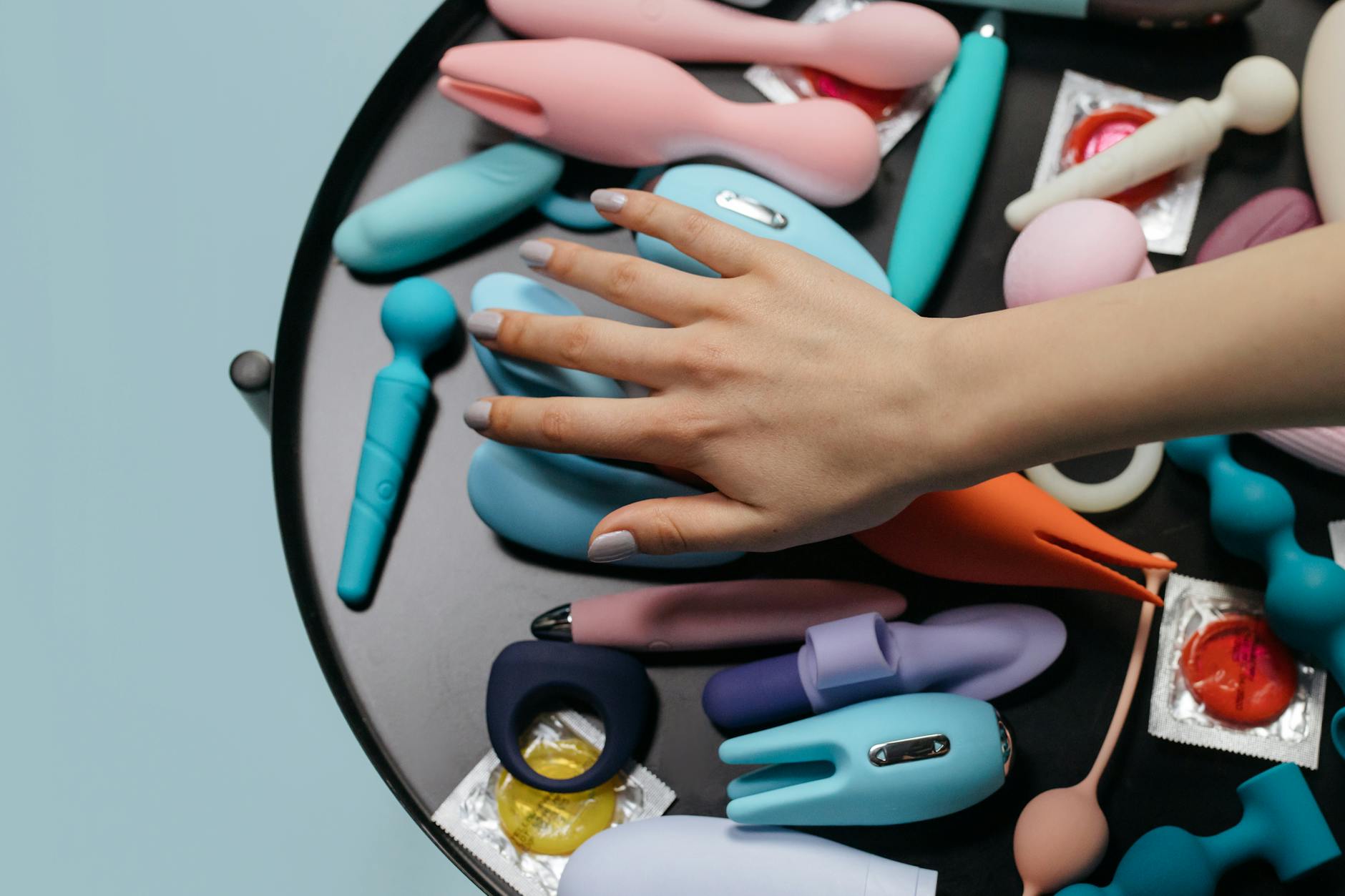
Let's talk about what nobody tells you
When illness or surgery disrupts your body, it doesn't just affect your physical recovery. It affects your sense of yourself as a sexual person. You might feel disconnected from pleasure, anxious about whether things will work again, or unsure whether your body even wants to anymore. That's not weakness. That's a completely normal grief response to something lost, even temporarily.
The good news: sexual confidence can be rebuilt. And rebuilding it doesn't require pushing yourself into performance mode or pretending you're fine when you're not.
Why traditional toys feel wrong during recovery
During recovery from surgery, illness, or medication changes, your nervous system is already in overdrive. A traditional vibrator's rapid buzzing or a wand's intense rumble can feel overstimulating, even painful. Your tissues might be more sensitive. Your pelvic floor might be holding tension from anxiety. Your brain might not be cooperating even when your body physically can.
That's where the lemon vibrator changes things. Lemon clitoral vibrators use suction and gentle pulse patterns rather than intense vibration. The sensation is rhythmic and contained. It doesn't demand a response from your body. It invites one.
Why suction works better for sensitive recovery
Think of the difference between someone tapping your shoulder versus gently holding it. Both are touch, but one invites attention, the other demands it.
Lemon-shaped clitoral vibrators create a seal around the clitoris and deliver pulsing suction. This works well during recovery because it distributes sensation more gently than direct vibration. You're not vibrating tissue that might still be healing. You're creating a rhythmic sensation that the body can receive without bracing against it.
Many people recovering from surgery or illness report that the lem vibrator feels safe in a way other toys don't. That safety matters. When you're rebuilding sexual confidence, your nervous system needs to know it's okay to relax.
The timeline: rebuilding pleasure gradually
Rebuild doesn't mean overnight. It means weeks or months of gentle, intentional reconnection. Here's what I see work in practice.
Weeks 1-2: Introduction without expectation. You're just getting to know the sensation. Start at the lowest intensity setting. Spend five minutes. No goal of orgasm. No pressure to feel anything in particular. You're gathering data about what feels tolerable.
Weeks 3-4: Exploring patterns. Most lemon vibrators have multiple pulse patterns. Try different ones. Notice which ones feel calming versus stimulating. You might find that pattern three feels soothing while pattern five feels too much. Both are valid information.
Weeks 5-8: Building duration and familiarity. If the first month felt okay, extend sessions to ten or fifteen minutes. Your body is learning that pleasure can happen safely. Arousal takes longer during recovery. Budget the time.
Weeks 9+: Reconnection with partners (if applicable). If you have a partner, this is when bringing them into the experience becomes meaningful. Watching your partner use a lemon vibrator on themselves can rebuild trust in your body's capacity.
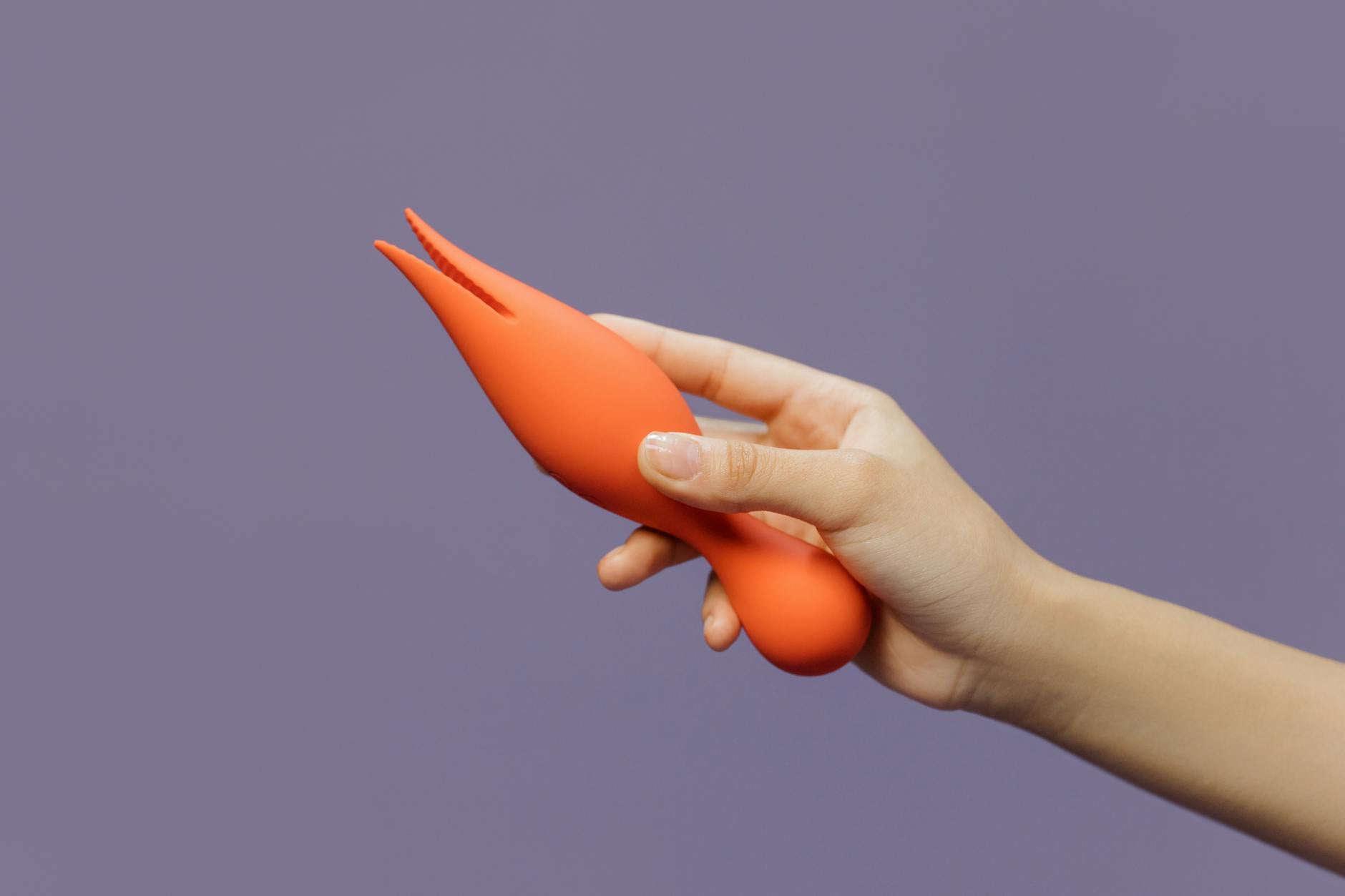
Photo by cottonbro studio on Pexels
Physical adjustments that matter
Your body's needs during recovery are specific. Honor them.
Lubrication is not optional. Even if you've never needed it before. Surgery, medication, stress, and reduced blood flow to genital tissues all affect natural lubrication. Use a water-based lube generously. Reapply as needed. This removes friction and signals to your body that you're taking care of it.
Temperature matters. Some people find that warming up the lemon vibrator slightly under warm water makes it feel more welcoming. Just make sure it's not hot, and always test it on your arm first.
Pelvic floor awareness is crucial. During recovery, especially after pelvic surgery or childbirth, your pelvic floor muscles clench involuntarily. Before using a lemon vibrator, spend two minutes on deep breathing. Breathe in for four counts, out for six. Let your pelvic floor soften. You might not feel it happen, but it does.
Position flexibility. You might not be able to lie flat. You might need to be reclined, or sitting, or on your side. Use pillows. Adjust. There's no wrong position here.
The mental work is as important as the physical
Rebounding sexually after health setbacks often requires rewiring some beliefs. You might catch yourself thinking: "My body is broken," or "I'll never feel normal again," or "My partner won't find me attractive anymore."
These thoughts are understandable. They're also not necessarily true, and they block reconnection.
A concrete reframe I recommend: instead of "I'm broken," try "I'm in transition." Instead of "Will I ever feel normal?" try "What does normal feel like now?" Your body after illness or surgery is not the same body you had before. That doesn't mean it's less capable of pleasure. It means pleasure might feel different. Different is not worse. Different is just different.
When you use a lemon vibrator during recovery, you're not trying to get back to your old sexual self. You're discovering your new one.
When to involve your partner
If you're in a relationship, your partner might feel helpless during your recovery. They might worry about hurting you. They might feel rejected if you're not interested in sex. They might grieve the loss of your former sexual rhythm.
Using a lemon vibrator together can help. It's not about performance. It's about reconnection. Watching your partner pleasure themselves with a clitoral vibrator can remind your partner that you're still sexual, still their person, still interested in them. It can also lower the pressure on you. You're not performing. You're exploring.
Have the conversation beforehand. "I'd like you to watch while I use a lemon vibrator. I'm not asking for anything from you. I just want you to see me rebuilding this part of myself. Are you willing?" Most partners say yes. Being invited into recovery, rather than excluded from it, matters.
When to get professional support
If pain persists beyond the typical recovery window, see your doctor. If anxiety about sex becomes paralyzing, talk to a therapist who specializes in sexual health. If you're not feeling any pleasure progression after three months of gentle exploration, that's information too. You might need different support.
Recovery is not a race. It's also not a forever situation. Most people I work with find that their sexual confidence returns within six to twelve months, especially with intentional tools like a lemon vibrator that support gradual reconnection.
FAQ: Rebuilding Sexual Confidence After Health Setbacks
Is it safe to use a clitoral vibrator immediately after surgery?
No. Wait for full clearance from your doctor, which is typically four to six weeks after most procedures. If you had pelvic surgery, gynecological procedures, or anything affecting sexual tissues, ask your surgeon directly when it's safe to resume sexual activity. "Safe" includes self-pleasure. Once cleared, start gently and low-intensity.
Can a lemon vibrator help if medication has lowered my libido?
Yes, often. Medications like SSRIs, blood pressure meds, and some antihistamines can reduce sexual sensation and desire. A lemon vibrator can help by providing the kind of consistent, predictable stimulation that sometimes bypasses medication effects. It won't cure the underlying issue, but it can help you access pleasure while you work with your doctor on medication timing or alternatives.
What if I feel nothing the first time I use it?
That's normal, especially during recovery. Your nervous system might still be in protection mode. Your tissues might not have full sensation back yet. Try again in a few days. Try a different pattern. Try a different time of day. Numbness or reduced sensation during recovery gradually improves, but it takes time. Pressure to feel something makes it harder.
Should I use a lemon vibrator alone or with a partner during recovery?
Alone, first. You need to know what feels good in your own nervous system before adding another person's energy. Once you're comfortable alone, bringing a partner in can be meaningful. But there's no rush. Solo exploration gives you control and privacy to figure things out without performance pressure.
How do I know if I'm pushing too hard versus not pushing hard enough?
If you feel pain, stop immediately. If you feel numb or disconnected, that's okay. Keep exploring. If anxiety rises, pause. You're rebuilding trust with your body. Pressure is the opposite of that. The right intensity feels curious, not demanding. It feels like invitation, not obligation.
Can using a lemon vibrator during recovery help my relationship?
Absolutely. Recovery often puts distance between partners. Bringing sensuality back, even gently, reminds both of you that you're still sexual partners. Watching each other with a lemon vibrator can rebuild intimacy without the pressure of partnered sex. Just make sure both of you want this. Consent and communication come first.
Moving forward
Sexual confidence after a health setback isn't about returning to how things were. It's about discovering how pleasure feels in your new body, at your new pace, with your new needs.
A lemon vibrator is a tool for that rediscovery. It's gentle enough for sensitive recovery but powerful enough to deliver real sensation. It respects your timeline. It doesn't judge your anxiety or your slowness or your grief about what was lost.
Your body is not broken. It's healing. And healing bodies deserve pleasure, slowly, safely, and on their own terms.
If you'd like personalized guidance on rebuilding intimacy after health changes, reach out. I'm here to help.