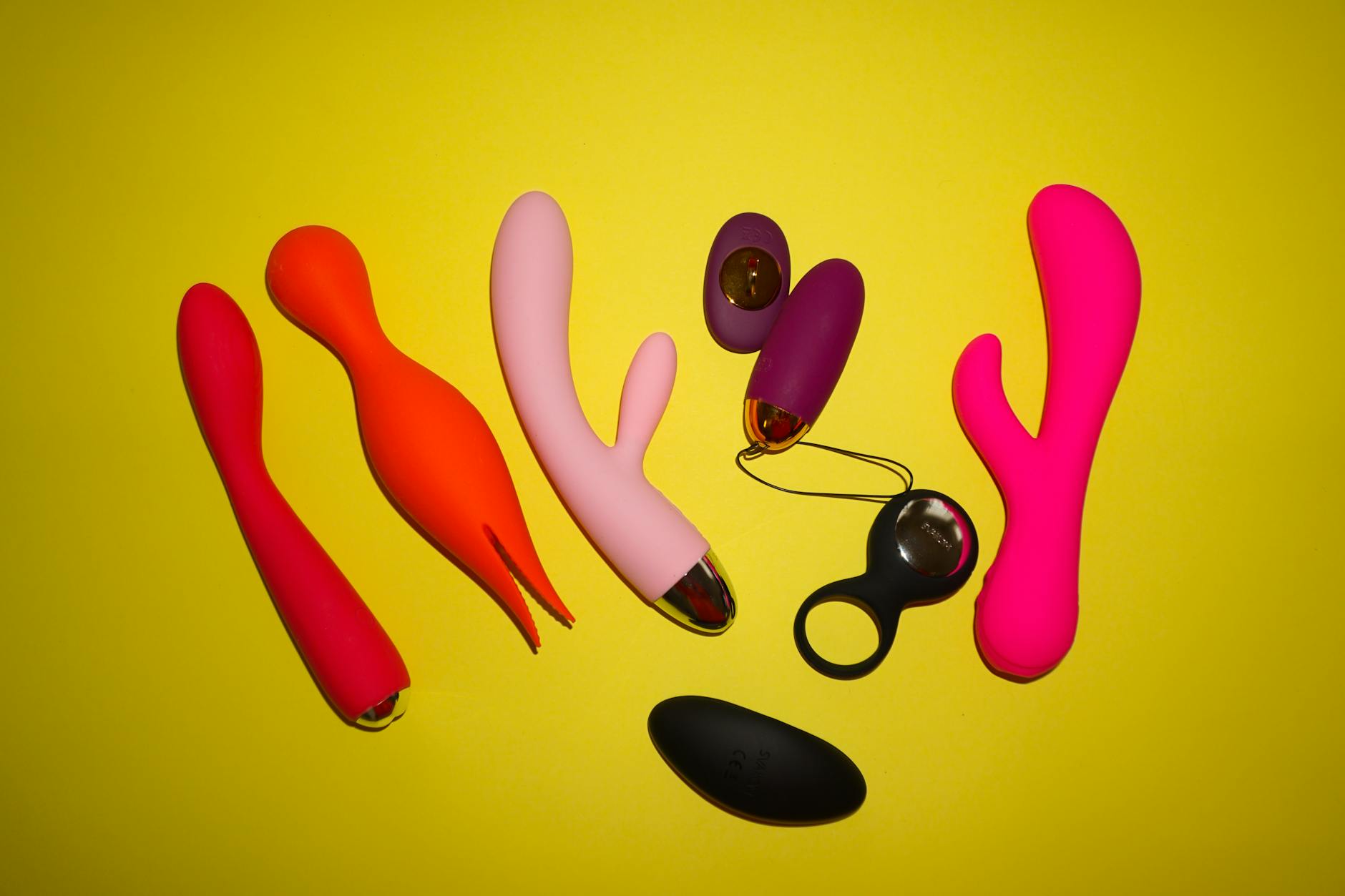
Here's what nobody tells you about vulva anatomy
Every vulva is different. Tissue thickness, sensitivity, hood coverage, and clitoral prominence vary wildly from person to person, and this matters way more than most pleasure guides admit. If you've ever bought a vibrator that felt wrong or uncomfortable, you weren't broken. Your anatomy and the toy design just didn't match.
The question I hear most often is whether lemon-shaped vibrators like the Lem actually work better for people with thicker tissue. The answer is yes, but not for the reason you'd think.
The friction vs. suction divide
Most vibrators work through direct friction. They buzz against your clitoris, which feels amazing for some people and overwhelming or even slightly painful for others. This is especially true if you have naturally thicker tissue, more hood coverage, or a clitoris that sits deeper within the vulva.
Lemon vibrators and similar clitoral suckers work through gentle suction. Instead of buzzing side to side, they create a subtle vacuum that draws tissue gently upward. This changes everything about how sensation travels through your nerves.
For people with thicker tissue, this matters because suction doesn't require direct contact. It works through the tissue itself, which means you get stimulation without the intensity of a buzzing toy pressed directly against sensitive skin. It's like the difference between a deep tissue massage and a light touch. Both are good. One just happens to feel better in certain situations.
Why tissue thickness changes everything
Thicker tissue has a few characteristics that matter:
It has more layers of skin and connective tissue between the surface and the nerve endings that drive sensation. This is completely normal and incredibly common. Thicker tissue naturally requires slightly different stimulation to reach the same nerve density that thinner tissue might access more directly.
It tends to have more hood coverage, which is also normal. This tissue protects the clitoris, but it also means direct vibration can feel too intense or create friction discomfort. Suction works differently here because it pulls tissue upward, effectively shortening the distance between the surface and the sensation-delivering nerves.
It's often less immediately sensitive to light touch. This doesn't mean you're numb. It means you might need a slightly deeper, broader stimulus rather than a precision point. Lemon vibrators distribute pressure more evenly than smaller, pointier toys, which can make a huge difference in comfort and pleasure.
How the Lem's design handles thickness
The Lem clitoral vibrator is shaped like, well, a lemon. This shape is deliberate. The rounded surface is wider than a typical vibrator head, which means it makes contact with more tissue area at once. Combined with its suction function, this creates a stimulus that's both broader and gentler than traditional vibrators.
For people with thicker tissue, this translates to:
A gentler ramp-up. You're not hitting sensitive skin directly at full intensity. The suction builds gradually, which gives your body time to respond without shock.
Less friction intensity. Because suction is at play, there's less of that buzzing-against-skin sensation that can feel raw or overstimulating on thicker tissue.
Better coverage of the entire clitoral area. The shape of the Lem means you're not hunting for the exact right angle. The wide, curved head naturally fits over the whole zone.
This is why I often recommend suction vibrators to clients who've had frustrating experiences with traditional toys. The Lem vibrator is built specifically for this kind of generalized, broader stimulation.
The intensity question
Here's another thing I've noticed: people with thicker tissue often assume they need stronger vibrations. Sometimes that's true. But often, they actually need better stimulation design, not just more power.
I had a client once who swore she needed the strongest vibrator on the market because she couldn't feel anything. She switched to a clitoral suction vibrator with medium intensity, and suddenly everything clicked. It wasn't about raw power. It was about the right kind of sensation reaching the right nerves.
If you've been shopping for lemon sexual toys and wondering whether a suction design is worth trying, this is your answer: if traditional vibrators have felt either too intense (uncomfortable friction) or too weak (not enough sensation), a lemon clitoral vibrator might bridge that gap perfectly.
Position and angle matter more than you think
One thing that changes with thicker tissue is positioning. You might need to angle the toy differently, or you might need to apply slightly more pressure, or you might need to move it in patterns rather than holding it still.
With suction vibrators, angle becomes less critical. The wide head and the suction action mean you have more flexibility in how you position yourself. You can be more relaxed, which honestly makes pleasure easier anyway.
When to try a lemon sucker versus other toys
If you have thicker tissue, suction is genuinely worth experimenting with. But it's not the only option that works. Some people with thick tissue love small, powerful vibrators. Others do great with broader, less intense options. The point is: if traditional vibrators haven't worked for you, the issue isn't your body. It's the mismatch between your body and the toy.
A lemon vibrator is a low-risk experiment. The Lem is an investment, sure, but it's backed by Hello Nancy's refund policy if it doesn't work for you. That means you can actually find out whether the design suits your body without financial stress.
The pleasure payoff
I work with a lot of people who've spent years thinking they were less responsive or harder to please than they actually are. Usually what's happened is they've been using the wrong tools. Once they find a toy that matches their anatomy, pleasure becomes easier, quicker, and honestly more satisfying.
That's the real point here. Your body isn't broken. You just deserve a lemon vibrator, or whatever toy, that actually fits how you're built. Thicker tissue isn't a problem to overcome. It's just part of your anatomy that deserves the right approach.
People also ask
Do clitoral suckers work if you have a thick hood?
Yes. In fact, they work really well because suction pulls tissue upward, shortening the distance between the surface and the nerve endings beneath a thicker hood. This is one reason suction vibrators are often more comfortable for people with more hood coverage than traditional vibrators, which can create friction against that tissue.
Can you use a lemon vibrator if you're very sensitive?
Absolutely. Suction vibrators tend to feel gentler than buzzing vibrators because the stimulus is distributed across a wider area rather than concentrated at one point. Start with the lowest intensity setting and let your body adjust. Many people find that the Lem's pattern options give them control over intensity in a way that works better than a simple power dial.
How is lemon suction different from regular vibration for thick tissue?
Regular vibrators work through friction and direct contact. Suction works by creating a gentle vacuum that draws tissue upward. For thick tissue, suction is often more comfortable because it doesn't require direct friction against the surface. It reaches sensation deeper in the tissue without the rawness of buzzing contact.
What if a lemon vibrator feels too intense even on low?
Back off. Use it on your vulva without turning it on first, just to get used to the feeling of the shape against your body. Then turn it on at the lowest setting and see if you can relax into it. If it still feels too much, you might actually prefer a traditional vibrator with a smaller, softer head. Your body's comfort matters more than fitting a particular toy type.
Do you need lubricant with a lemon clitoral vibrator?
Not necessarily. Suction works on dry or wet tissue. That said, a tiny bit of water-based lubricant can help the seal on the suction head work better and also just make the whole experience feel smoother. Test without first, and add it if you want.
Are lemon vibrators good for beginners with thick tissue?
Yes, especially if you've tried other vibrators and they haven't felt right. A lemon clitoral vibrator designed for beginners means starting at the lowest intensity and learning your body's response without pressure. The wide head and suction design mean you have room to explore different angles and movements without overthinking technique.
The bottom line
Your body isn't the problem. The tool might be. If traditional vibrators have felt off for you, and you have thicker tissue or a more covered clitoris, a suction-based lemon vibrator might be the shift you've been looking for. Give it a real try, starting at the lowest intensity, and see if the sensation finally matches your body instead of fighting against it.
Your pleasure matters, and you deserve toys that actually work for your anatomy. If you have questions about whether a particular toy might be right for you, we're here to help.