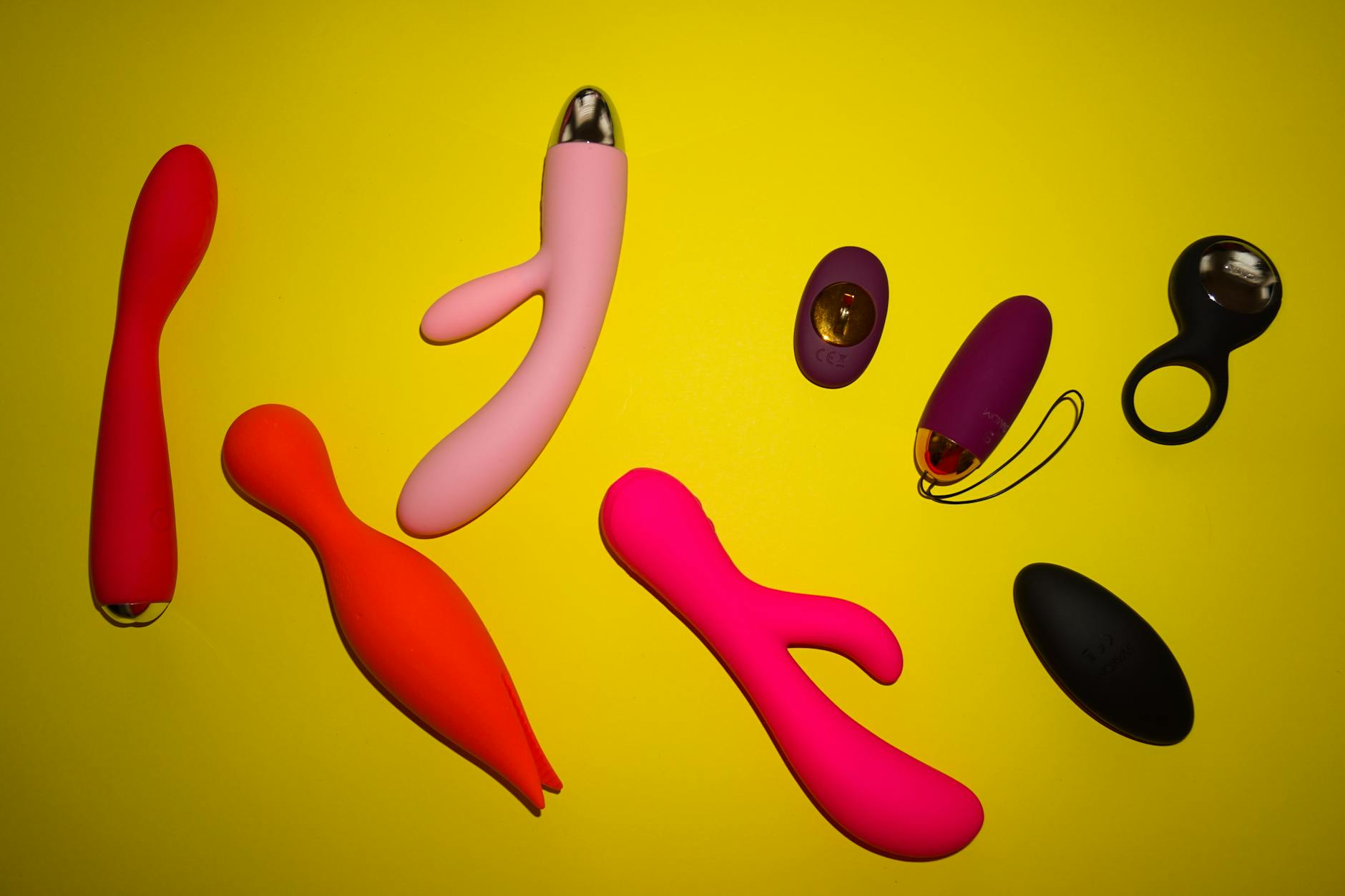
Let's be real about the fear
You want to introduce lemon vibrators or another clitoral toy into your sex life, and the prospect feels enormous. Maybe you're worried your partner will think you're not satisfied. Maybe you're afraid they'll feel replaced or threatened. Or maybe you just don't know how to bring it up without it feeling awkward or clinical.
Here's the truth: the conversation is usually scarier in your head than it is in reality. That said, how you approach it matters wildly. The difference between "Hey, I found this vibrator I want to try" and a month of anxiety-fueled silence before blurting it out at 11 p.m. is the difference between connection and defensiveness.
Why your partner might feel weird about this (and it's not what you think)
The most common response I hear from partners when toys first come up is some version of: "Am I not enough?" That's not about the toy itself. It's about what they're worried the toy means about them, your desire, or the relationship.
Understand this framework and you've already won half the battle. When someone's anxious, they're not actually worried about a piece of silicone. They're worried about being replaced, being judged, or discovering that their partner has secretly been unsatisfied the whole time.
Your job is to reframe the conversation away from "I want something you can't give me" and toward "I want us to explore this together." The lemon vibrator isn't a solution to a problem. It's an expansion of what's already working.
Timing and framing: how to actually bring it up
There are bad times and good times to have this conversation. Bad: during sex, mid-argument, when you're both rushed, or when they're stressed about work. Good: a calm evening when you have privacy and time, maybe over coffee or a drink, somewhere you both feel relaxed.
Start with context, not the ask. Don't lead with "I want to buy a vibrator." Lead with honesty about your own pleasure.
Try something like: "I've been thinking about my pleasure and what makes me feel good, and I'm realizing I'd love to explore something new together. I've been reading about lemon vibrators, and they sound interesting to me. I'd like to try one with you, if you're open to it."
Notice what you're doing here. You're centering your own experience (not their inadequacy), you're naming the specific thing (not being vague), and you're explicitly asking if they're open, which gives them agency.
Expect defensiveness. Here's how to move through it
Some partners will be instantly enthusiastic. Others will need a minute. Common reactions: "I thought you were happy with how things are," "Do you think I'm not good enough?," or "Where is this coming from?"
Don't defend yourself. Don't over-explain. Just stay steady.
If they ask "Am I not enough?": "This isn't about you being enough or not enough. I'm excited about my own pleasure, and I want to explore it with you. That's actually about wanting more with you, not less."
If they ask "Where is this coming from?": "I've been thinking about what I like and what makes me feel good. This is something I'm curious about, and I'd love for us to experience it together."
The goal is not to convince them immediately. The goal is to stay calm, honest, and open to their concerns without collapsing into shame.
The financial and practical reset
Sometimes the conversation shifts when you move from abstract to concrete. Showing them a product (like the clitoral vibrators at Hello Nancy) makes it real and less threatening because now it's clearly a sex toy, not some fantasy.
Don't hide the cost. If you're going to invest in a quality lemon vibrator or clitoral suction toy, name it. "These are about eighty to ninety dollars because they're made well and designed to last. I'd rather invest in something that actually works than buy something cheap that doesn't." This signals seriousness and respect.
Making it collaborative from here forward
Once they're not in defense mode, the next move is crucial: make them feel like they're choosing this too, not just accepting it.
Try: "I'm thinking of getting one. Would you want to pick it out together? Or do you have preferences about what you'd want?" This shifts the dynamic from "I'm bringing this into our sex life" to "We're doing this together."
If they're still hesitant, ask what would make them more comfortable. Some partners feel better if they're the one who initiates using it the first time. Others want to understand how lemon vibrators work and why the design matters. Some just need more time. All of that's valid.
When you actually try it together
The first time you use a clitoral toy with a partner, don't make it the main event. Integrate it into foreplay. Let them hold it, control the intensity, see you respond. This often dissolves any remaining anxiety because now they're participating, they can see your pleasure directly, and the dynamic shifts from "you need this without me" to "we're exploring this together."
Many people discover that watching their partner experience pleasure with a toy is actually deeply connecting, not threatening. The anxiety beforehand was almost always bigger than the reality.
If they're still not into it
Sometimes you do all this and they're still uncomfortable. That's information, not a dead end.
Dig deeper. What specifically bothers them? Is it about the toy itself, or is there something underneath (anxiety about their own body, past relationship stuff, a different attitude about sex)? This is where a couples therapist or a frank conversation about what sex means to each of you becomes valuable.
You might also need to separate two questions: Do I get to explore this? And, do I get to explore this with my partner right now? The answer to the first question is yes. The answer to the second might be "not yet" or "only if they choose it." Those are different conversations.
The ongoing conversation
Introducing lemon vibrators or any toy isn't a one-time negotiation. It's an opening into a bigger conversation about pleasure, desire, and what both of you actually want.
Check in after you've used it a few times. Not obsessively. Just: "What did you think? Anything you want to do differently next time?" This normalizes the whole thing and makes it clear that their experience and comfort matter too.
The partners who get defensive initially often become the most enthusiastic about toys once they realize they're not being replaced. They're actually being invited to something that matters to their partner. That's connection.
FAQ: Tough Questions About Introducing Toys to Partners
What if my partner thinks the toy means I'm not attracted to them anymore?
That's the most common fear, and it's worth addressing directly. Explain that attraction and pleasure are different things. You can be wildly attracted to someone and still benefit from a clitoral vibrator because orgasm is partly about nerve stimulation, not just emotional connection. Lemon vibrators do something specific that a partner's hand or penis can't do. That's not a judgment on them. That's physics. The fact that you want to experience it with them is actually what matters.
Should I show them lemon vibrator reviews or educational content first?
Maybe. Some partners feel better when they understand the science, so something like why lemon-shaped vibrators work better for clitoral pleasure actually helps. Others just want to move forward. Read your partner. If they're intellectual, yes, send them a thoughtful article. If they're anxious and overthinking, information might backfire. Keep it simple: "It's designed for clitoral stimulation, it has good reviews, and I'm interested in exploring it with you."
What if they want to use it on me but I'm self-conscious?
That's real, and it's worth acknowledging. The vulnerability of letting someone watch you experience pleasure with a toy is bigger for some people than others. You might start with using it yourself while they're present. You might use it with the lights mostly off. You might need a few conversations about self-consciousness that have nothing to do with the toy itself. This is where patience and reassurance matter. "I feel vulnerable, and I need you to help me feel safe" is a conversation your partner can actually engage with.
Can I just surprise them with a toy during sex?
No. Don't do that. Surprise toys violate consent and trust, even if your intention is playful. Partners deserve to know what's coming and have a choice about how they engage with it. The conversation is annoying, but it's essential. It's also what makes the actual experience better because you're both actually choosing it.
What if they agree but I can tell they're still uncomfortable?
Trust your instinct. "Hey, I'm noticing you seem hesitant. Talk to me." Sometimes partners agree to something they're not actually ready for because they don't want to disappoint you. It's better to slow down and have more conversations than to push forward into resentment. Connection matters more than the toy.
How do I bring this up if we've never really talked about sex directly?
Start smaller. Don't lead with the toy. Lead with pleasure. "I've been thinking about what I like and what makes me feel good, and I want to talk about that with you." Once you've had a general conversation about desire and satisfaction, introducing a specific toy feels less shocking. It's part of a bigger conversation, not a random bomb drop.
Keep going
Introducing lemon vibrators or any toy to a partner is genuinely one of the most vulnerable conversations you can have about sex. It requires you to name desire, risk rejection, and stay open to their fear. That's hard work.
But here's what I've seen repeatedly in my practice: couples who can have these conversations openly tend to have better sex, more intimacy, and more trust overall. The toy is almost secondary. What matters is that you're both choosing to explore pleasure together.