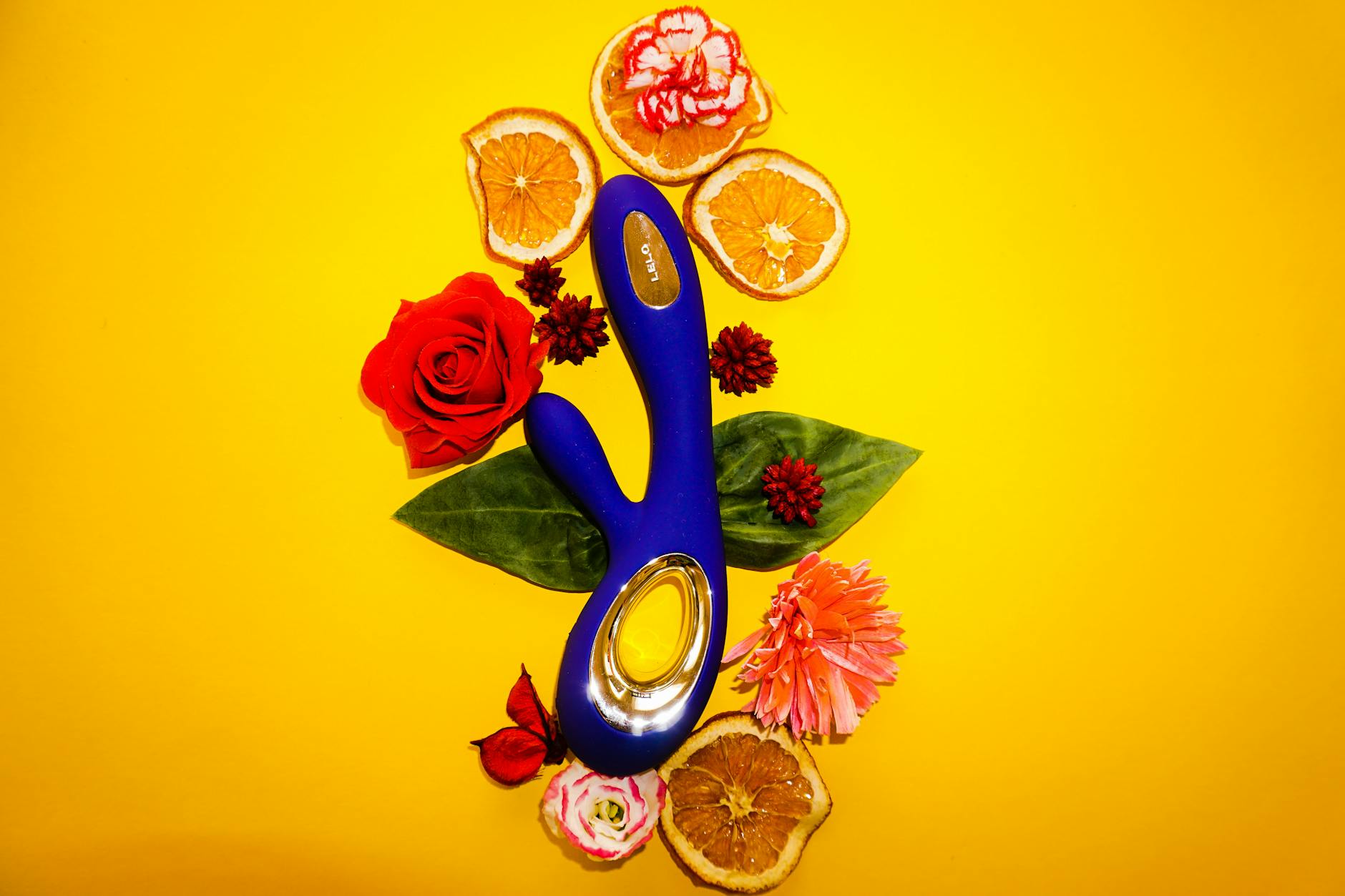
Why Lemon Clitoral Vibrators Work Better Than Wands for Sensitive Tissue
Let's be real: not all vibrators feel the same, and swapping a wand for a lemon clitoral vibrator isn't just a preference thing. It's tissue physiology.
If you've ever felt raw or overstimulated after using a traditional wand vibrator, your body wasn't being difficult. You were experiencing micro-abrasion on delicate mucous membrane. A lemon vibrator works differently, and for people with sensitive tissue, that difference is everything.
The problem with direct vibration wands
Traditional vibrators (wands, rabbits, bullets) work by making rapid side-to-side or up-and-down movements against your skin. The vibration frequency is typically 50-150 Hz. That's a lot of repetitive friction, especially against tissue that's thinner or more reactive than you'd expect.
Here's what happens at a cellular level: each vibration stroke slightly stretches and releases the epithelial cells on your skin surface. If the vibration is too intense or continues too long, those cells start to separate from the underlying tissue. Not painfully, usually. But noticeably. Redness, rawness, that numb-tingly feeling that lingers for hours.
People often blame themselves. "My body's just too sensitive." Actually, you might have perfectly normal sensitivity. The tool is just too aggressive for your tissue's current state.
How air-suction changes the equation
A lemon vibrator (and other air-suction devices) uses a completely different mechanism. Instead of vibrating side-to-side, it creates rhythmic pulses of gentle suction and release. Think of it more like a mouth than a finger.
The suction draws tissue upward into a chamber, stimulates the nerve endings without direct friction, then releases. The frequency is similar to traditional vibrators (around 100-130 Hz), but the motion is radial. It pulls tissue inward rather than sliding across it.
What this means: your clitoris gets intense stimulation without the shearing forces that cause abrasion. The tissue isn't being mechanically worn away. The nerve endings are being activated through compression and decompression, not repetitive rubbing.
Why sensitive tissue responds better to suction
Three physiological reasons this matters.
1. The clitoris has a specific nerve architecture. The clitoris contains roughly 8,000 nerve endings, densely packed in a small area. These nerves respond to pressure and suction better than to lateral vibration. Air-suction activates more nerve fibers simultaneously because it engages tissue volume, not surface area.
2. Suction reduces friction load. When tissue is drawn into a chamber, the contact surface becomes smooth and enclosed. There's no sliding, no repeated micro-tears in the epithelium. People with lichen sclerosus, vulvodynia, or post-menopausal tissue thinning experience significantly less irritation with suction devices than with wands.
3. You control the intensity zone. With a wand, the entire vibrating head contacts your tissue at maximum amplitude. With lemon clitoral vibrators, you choose where the suction chamber sits. You can position it over the clitoral glans (the most sensitive part) or shift to the glans base (less intense) by simply adjusting angle. Wands don't offer this granularity.
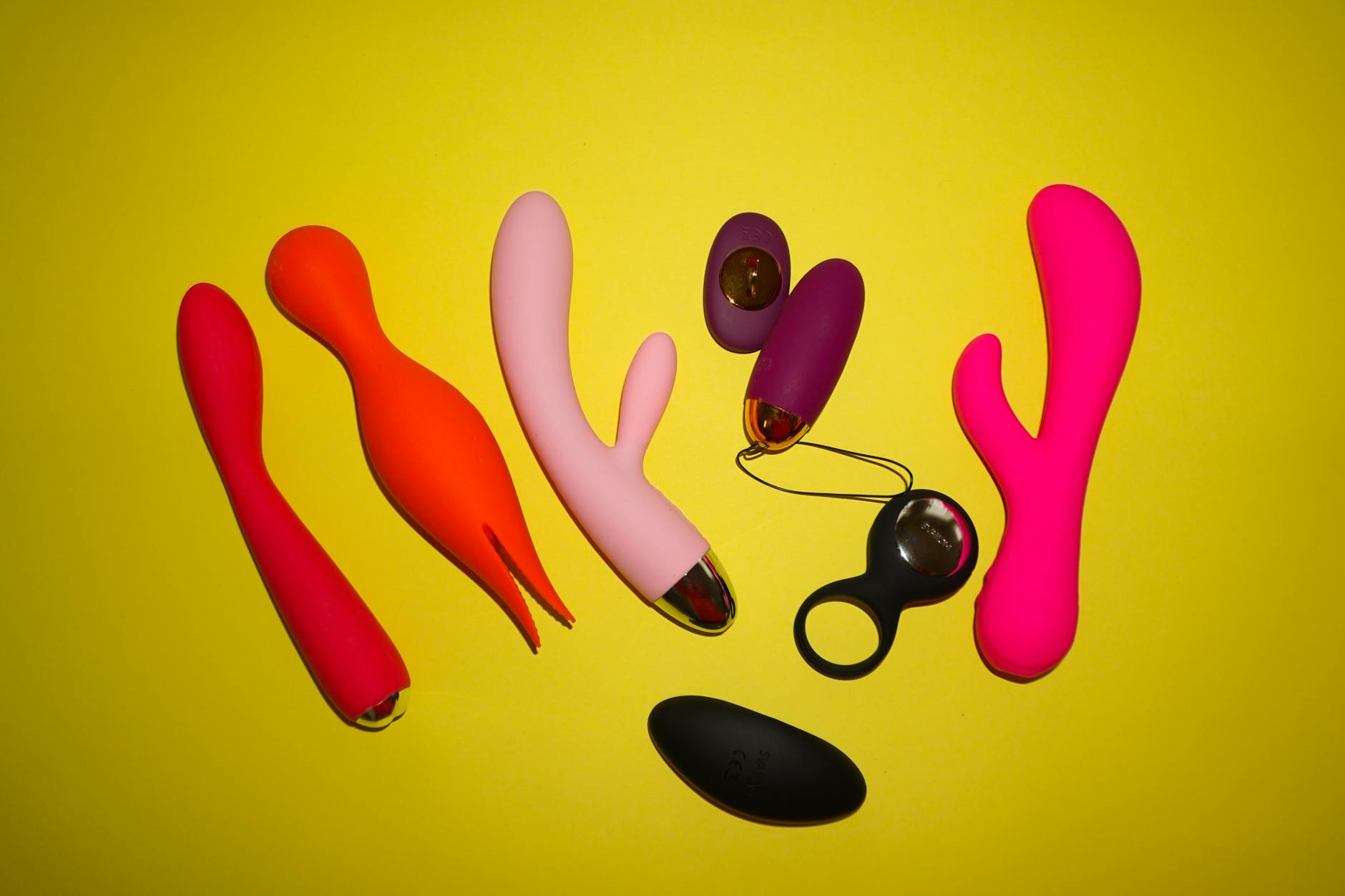
Photo by DRT.fm on Pexels
Tissue states where this difference matters most
These scenarios are where choosing a lemon vibrator over a wand genuinely changes the experience.
Post-menopausal atrophy. Estrogen supports collagen and elasticity in vulvular tissue. When estrogen drops, tissue thins by roughly 20-30%. Direct vibration on thin tissue feels harsh. Suction feels like precision pleasure.
After childbirth. Pelvic floor trauma, hormonal fluctuation, and sleep deprivation all converge. Tissue is reactive. A wand can feel too intense. A lemon vibrator lets you build sensation without feeling scraped.
Medication-related sensitivity. SSRIs, antihistamines, and some blood pressure meds reduce natural lubrication and increase tissue fragility. People often assume they've lost sensation (and panic). Usually, they've just developed lower friction tolerance. Switch tools, not medications. See my piece on how to use a lemon vibrator for better sensation after stopping SSRI medications for a deeper dive.
Anxiety and tension. When the pelvic floor is clenched from stress or anxiety, direct pressure from a wand can feel invasive or painful. Suction creates a gentler pulling sensation that actually encourages pelvic floor relaxation. It's the opposite of what you'd expect, but it works.
Endometriosis and pelvic pain. Nerve sensitization in the pelvic region means that certain touch patterns trigger pain signals. Air-suction devices stimulate different nerve fibers than wands do. Many people with chronic pelvic pain find suction tolerable when vibration is not. This isn't placebo. It's a different sensory pathway.
The intensity question: can you get enough sensation from suction?
This is the question I hear most often, and the answer surprises people.
Yes, absolutely. In fact, many people report that suction devices like the Lem deliver more intense sensation than wands, once they've adjusted to the different mechanism. Here's why: suction stimulates a larger volume of tissue and a broader nerve population. You're not relying on surface friction. You're activating multiple nerve layers.
The learning curve is real, though. If you've spent years with a wand, your nervous system has learned to recognize vibration as the signal for arousal. Suction feels different initially. Give it 3-4 sessions before you decide. Your nervous system needs time to register this new input as "intense pleasure" rather than "weird."
Start on the lower settings (patterns 1-2 on most lemon vibrators). Work up gradually. By session three, most people find they're hitting intensity levels they didn't expect.
Wands aren't bad. They're just not universal.
I'm not saying throw out your wand vibrator. For people with robust, thick tissue and zero sensitivity issues, wands work fine. They're affordable, widely available, and straightforward.
But if you've ever felt raw after use, or if you have any of the tissue states mentioned above, a lemon clitoral vibrator is worth trying. It's not a compromise. It's often an upgrade.
The best tool is the one that works with your body, not against it. And sometimes that's a completely different technology than what you've been using.
Making the switch: practical tips
Budget 15 minutes your first time. Not because lemon vibrators are slower. Because your nervous system needs time to decode the sensation.
Use water-based lubricant. Suction works best with a light layer of lubricant. It improves the seal and reduces any dry friction.
Start on pattern 1 or 2. Resist the urge to jump to max intensity. Let your tissue acclimate.
Positioning matters more than you think. The angle changes everything. Experiment with moving the device 1 cm to the left, right, up, down. You'll find your sweet spot.
It's okay if wands still have a role. Some people use wands for warming up and lemon vibrators for orgasm. Some switch depending on what they want that day. There's no rule.
The tissue science is clear: suction is gentler and more nerve-efficient than direct vibration. But pleasure is personal. Try it, listen to your body, and choose the tool that feels good. That's the only metric that matters.
People also ask
How is a lemon vibrator different from a standard clitoral vibrator?
Lemon vibrators use air-suction technology, which creates gentle pulses of suction and release. Standard vibrators (wands, bullets) vibrate side-to-side or up-and-down against your skin. Suction is less aggressive on delicate tissue, activates a different set of nerve fibers, and lets you adjust intensity by changing the angle and position of the device. Both work, but they work through different mechanisms.
Can I use a lemon vibrator on its highest setting right away?
I wouldn't recommend it. Even though suction is gentler than direct vibration, your nervous system needs time to adjust to the sensation. Start on patterns 1-2 for your first few sessions. Your body will give you clear feedback about readiness to increase intensity. You'll likely find that patterns 4-5 feel significantly more intense than you initially expected.
Are lemon clitoral vibrators safe for people with vulvodynia?
They're generally safer than wand vibrators because they don't create friction-based micro-abrasion. However, vulvodynia is individual. Some people find suction soothing. Others find any pressure irritating. If you have vulvodynia, talk with your pelvic floor physical therapist before introducing any vibrator. When you do try one, start on the gentlest setting and stop immediately if pain (not just unusual sensation) appears.
Do I need special lubricant for a lemon vibrator?
No, but water-based lubricant absolutely improves the experience. The suction works best with a light layer of lubrication. It creates a better seal, reduces dry sensation, and makes the whole experience more comfortable. Avoid silicone-based lubes unless your device is explicitly designed for them (most are not). Water-based is always safe.
Why do some people orgasm faster with suction vibrators than with wands?
Two reasons. First, suction activates a larger volume of nerve tissue, so more sensory input reaches your brain per pulse cycle. Second, air-suction engages the accessory organs of the clitoris (the clitoral bulbs and crura) through tissue compression, adding sensation depth that wands can't reach. Plus, there's less mental load. You're not managing friction-based discomfort, so your brain can focus entirely on pleasure.
Can I use a lemon vibrator with a partner?
Yes. Many people use lemon vibrators solo and with partners. If you're partnered, communicate about what you want. Some couples integrate the device into partnered sex. Others use it solo while maintaining emotional connection. There's no wrong way. The device is a tool, not a replacement for anything. See how to use a lemon vibrator to enhance pleasure with a new partner for more nuance on integrating this into partnered pleasure.
The bottom line
Your tissue isn't too sensitive. Your wand vibrator might just be too rough. Air-suction technology offers a genuinely different experience: less friction, more nerve activation, more control. If you've struggled with sensitivity or rawness, or if you're navigating changes in tissue thickness or lubrication, a lemon clitoral vibrator is worth your time.
Your body deserves a tool that works with it, not against it. Sometimes that's a wand. Sometimes it's something built on completely different physics. Listen to what feels good, and give yourself permission to switch.