
Here's the thing about vibrator design
Most vibrators are built for internal use. That's the default. So when you're shopping for clitoral stimulation, you're often working with a shape that was literally designed for somewhere else. It's like trying to apply makeup with a paint roller. Technically functional, wildly inefficient.
The lemon clitoral vibrator flips that logic. It's built from the ground up for external pleasure. The shape, the size, the angles—all engineered for the clitoris specifically. That's not marketing. That's ergonomic reality.
The anatomy you need to understand
Let's start with the basics. The clitoris isn't just the visible part (the glans). It has a body, internal branches, and a network of nerve endings that extends way more than most people realize. The visible glans has about 8,000 nerve endings packed into a tiny space. More nerve density than anywhere else on your body.
But here's what matters for vibrator design: the clitoris isn't a straight target. It's got width, depth, and angles. If a vibrator is too wide or too blunt, you're stimulating a diffuse area instead of hitting the exact zones that create the strongest response. Too pointed, and you're creating pressure instead of pleasure.
A well-shaped lemon vibrator—slightly tapered, compact, with a rounded tip—lets you position it precisely against the glans or the hood, or even angle it to hit the internal branches of the clitoris. You're not guessing. You're aiming.
Why the lemon shape specifically works
The lemon shape is basically a ergonomic sweet spot. Here's why.
The width. A lemon vibrator is narrow enough that you have actual control. You can angle it, roll it, hold it at different pressures. A wider vibrator forces you into one position, which gets boring fast and can become numb over time. Narrower gives you options.
The length. The lemon's compact size means your hand doesn't fatigue. You're not holding up a wand for twenty minutes. This matters more than it sounds. Hand fatigue is a silent pleasure-killer. You tense up, lose focus, and your body never fully relaxes into the sensation.
The tip. The rounded, slightly pointed tip of a lemon clitoral vibrator lets you be precise without being harsh. You can target the glans directly, or roll it around the clitoral hood, or press it against the sides where the internal branches create different sensations. Same vibrator, completely different experiences depending on angle.
The weight. Lemon vibrators are typically light enough to use hands-free against a pillow, but heavy enough to feel intentional. That balance matters. A toy that's too light feels flimsy. Too heavy feels like work.
Compare this to a traditional wand vibrator, which is wider and longer. It's great for broad stimulation, but it's hard to target a specific zone. Or a rabbit, which is designed for dual stimulation and ends up being a compromise on both fronts. The lemon shape says: "This is for one job, and we're doing it brilliantly."
The vibration pattern question
Shape matters, but so does how the vibration actually feels. Most lemon vibrators use surface vibration—the whole toy shakes—rather than internal oscillation or pulsing. Why does that work?
When you're applying a vibrator to the clitoris externally, you want the vibration to transmit through a controlled surface area. Surface vibration does that cleanly. It also means you can feel exactly where the stimulation is happening, which feeds back into positioning.
Pulsing patterns are fun for variety, but they're often less effective for direct clitoral stimulation because the on-off rhythm can actually reduce the intensity of what your nerves are registering. Steady vibration creates a consistent, building sensation. It's the difference between a strobe light and steady light—one fatigues you, the other lets you focus.
That said, quality lemon vibrators usually offer multiple speeds. Starting low and building up lets your body warm into the sensation without shocking your nervous system into numbness.
Why precision beats power
There's a myth that stronger vibrations are better. They're not. Stronger vibrations can actually desensitize you faster, especially if you're applying them to a dense nerve cluster like the clitoris.
What creates intense pleasure is precision plus the right intensity level. A lemon vibrator's compact shape lets you hit your exact sweet spot—maybe that's the glans, maybe it's a few millimeters to the left—at whatever speed actually works for your nervous system. That combination of accuracy and moderate intensity is what builds the kind of orgasm that actually lands.
People who switch from a powerful wand to a lemon vibrator often report the same experience: the sensation feels less intense at first, but it actually produces stronger, more consistent orgasms. That's precision at work.
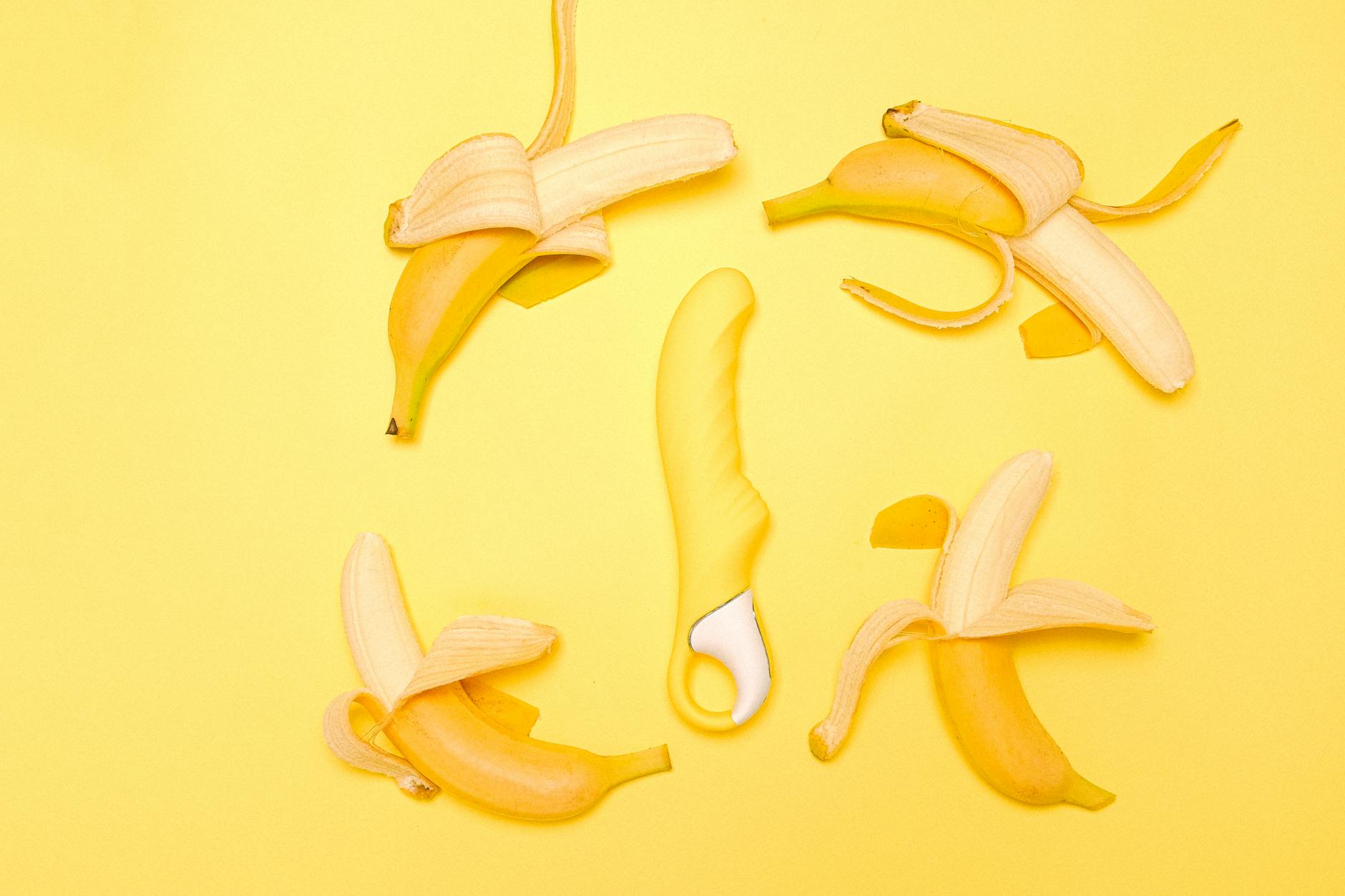
Photo by Anna Shvets on Pexels
The learning curve
Here's something nobody tells you about switching to a new vibrator shape. There's a brief adjustment period where you're figuring out positioning, pressure, and speed. That's not a flaw in the toy. That's you learning what works for your body.
With a lemon vibrator, that learning curve is actually faster than with other shapes because you have more control. You can micro-adjust angle and pressure in real time. No guessing, no "well, I guess this is as good as it gets."
Start low. Experiment with different angles against the glans and the hood. Try pressure from the side. Give yourself permission to spend a few sessions just exploring. After that, you'll have a mental map of exactly where to place it for maximum effect.
Material and texture matter too
The shape gets all the attention, but the surface texture of your lemon vibrator matters. Most quality lemon vibrators are silicone, which has a few advantages. It's non-porous, so it doesn't harbor bacteria. It has a slight give that feels better against sensitive tissue than rigid plastic. And it conducts vibration smoothly without harshness.
This is where cheaper vibrators often disappoint. Low-quality silicone or plastic can feel grabby or irritating against delicate skin. A well-made lemon vibrator uses medical-grade silicone that feels intentional, not like you're using a phone on vibrate against your body.
Also: waterproof construction matters more than you'd think. A sealed lemon vibrator lets you experiment in the shower, where the warm water and privacy create a totally different headspace. And it's way easier to clean.
Real talk about pleasure variety
A lemon clitoral vibrator is exceptional for direct, focused stimulation. But you don't need to use it the same way every single time. The shape and size give you options.
Some sessions: direct pressure on the glans for intensity. Other sessions: rolling it along the sides of the clitoris for a different nerve pathway. Sometimes: using it through the hood for a gentler vibe. You can even use it for partnered play, having your partner control the angle while you control the speed.
That variability—driven by the ergonomic flexibility of the shape—is part of why lemon vibrators keep working for people long-term. It's not just one move. It's a tool with multiple applications.
Common misconceptions
I want to clear up a few things I hear from people hesitating about lemon vibrators. "Isn't the shape just marketing?" No. The shape determines how force is distributed across your tissue and how precisely you can aim. "Will it work if I'm not sensitive?" Yes. Desensitivity is usually about positioning, not about the vibrator itself. "Do I need multiple vibrators?" No. A quality lemon vibrator handles most people's primary pleasure needs.
Closing the gap between good and great
The difference between an okay orgasm and a really good one often comes down to precision. Your body knows what it needs. The tools matter because they either help you deliver that or force you into compromises.
A lemon-shaped vibrator removes the compromise. It's built for the one job that shapes it—external clitoral stimulation—and it does that job brilliantly. The ergonomics mean less thinking, more feeling. Less searching, more landing.
If you've been using something that doesn't quite fit your anatomy, or if you've been holding a heavy wand for sessions that last longer than your forearm can manage, try something designed specifically for this. Your nervous system will notice the difference.
Your pleasure deserves a tool that actually works with your body, not against it. That's not a small thing.
People also ask
What's the difference between a lemon vibrator and a clitoral suction toy?
Lemon vibrators use vibration—the toy itself shakes. Clitoral suction toys (sometimes called lemon suckers) use gentle suction combined with pulsing. Both are excellent for clitoral stimulation, but they hit different nerve pathways. Vibration is more direct and immediate. Suction is broader and can feel less intense but creates very deep, building sensations. Many people use both depending on what they're in the mood for. If you're sensitive to direct pressure, suction might feel gentler to start.
Can a lemon-shaped vibrator cause numbness?
Numbing usually isn't about the vibrator shape—it's about duration and intensity. If you're using high speeds for 20-30 minutes straight, any vibrator can cause temporary numbness. Lemon vibrators, because they're more precise, often let you finish faster (in a good way), which reduces the numbing risk. Switch to a lower speed, take breaks, or change the angle. Numbness should reverse within hours. If it doesn't, see a doctor.
Is a lemon vibrator too small for partnered play?
Not at all. The compact size actually makes it great for partnered play because your partner can control it while you're focusing on sensation. It's also easier for a partner to manage without their hand getting in the way. Some couples use it together with fingers or other toys. The small size means it plays well with others.
How do I find the right pressure to use?
Start very light. Barely touching. Then gradually increase pressure until you feel the sensation intensify. Most people find that moderate pressure—firm but not hard—works best for sustained stimulation. Too light and you're just kind of dancing around the area. Too hard and you cut off blood flow, which actually reduces sensation. Think of it like massage: you want enough pressure to feel intentional without it being painful.
How often can I use a lemon vibrator without side effects?
Daily use is fine. Vibrators don't cause nerve damage or addiction. What some people experience is temporarily reduced sensitivity to other forms of touch if they use one specific vibrator every single day at high intensity. Variety (different speeds, angles, toys) prevents that. So does taking occasional breaks. Orgasms from vibrators are real orgasms—your body isn't getting dependent on the vibration, it's just getting really good at that specific input.
Why is the lemon shape called a lemon vibrator?
Because the shape is literally lemon-shaped: tapered at both ends, widest in the middle, rounded throughout. The name is descriptive and iconic. It's also cute, which is part of why Hello Nancy's lemon clitoral vibrators are easy to keep on a nightstand without pretending they're something else. No shame in the tool. The name comes from the form, not from any flavor or scent—though that branding does make it memorable.