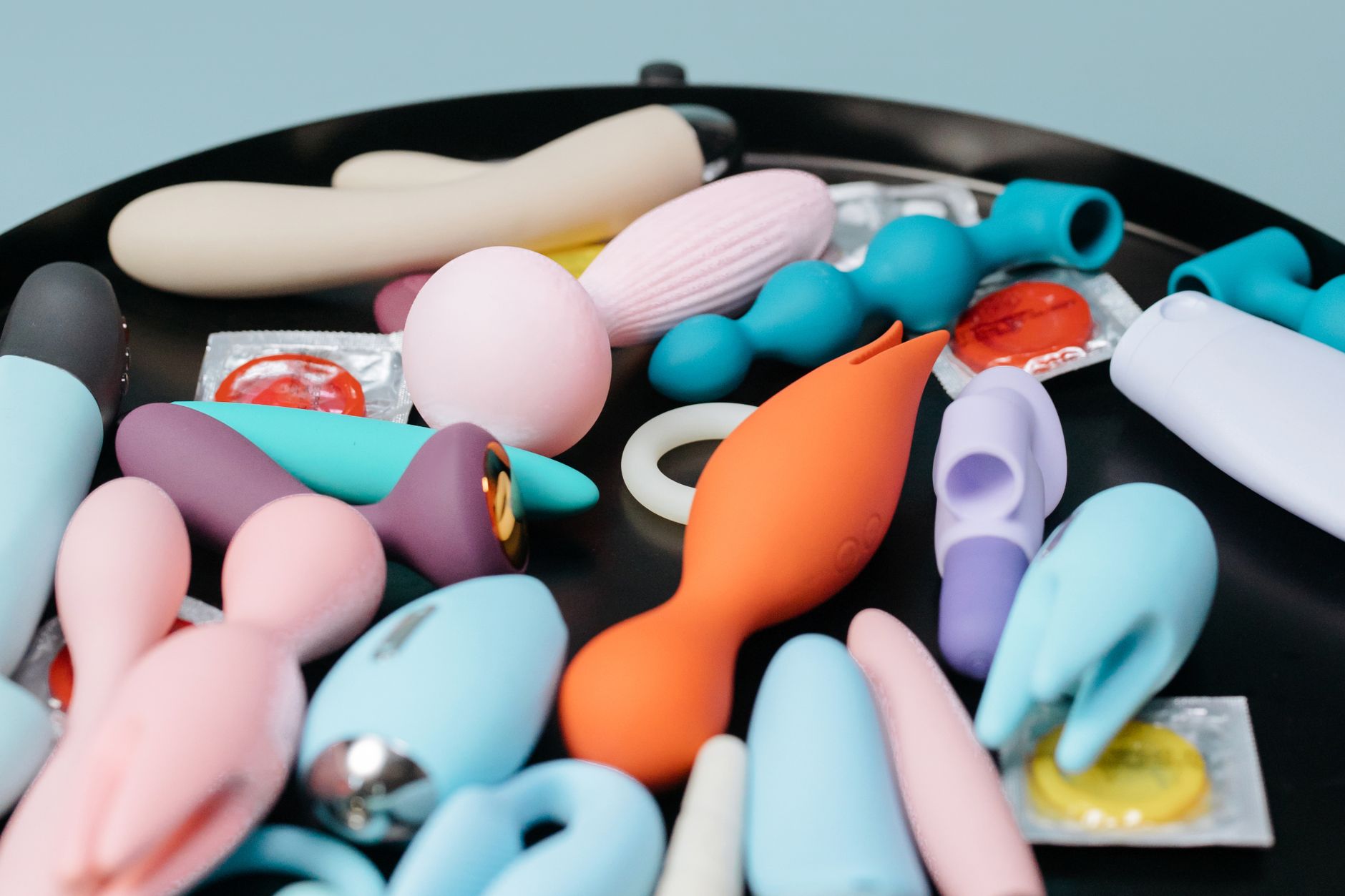
Let's talk about what actually happens to pleasure after menopause
Menopause rewires your body's pleasure response. And here's the thing nobody tells you clearly: that's not automatically a bad news story. It's a different story. The tissue around your clitoris gets thinner as estrogen drops. Blood flow changes. Sensitivity becomes concentrated rather than diffused. For some people, that means stronger, more localized orgasms than they've ever experienced.
But the toys that worked brilliantly at 35? Many of them stop being the move at 55. This is exactly where lemon vibrators shift from "nice to have" to "this is the tool that actually works for my body right now."
How menopause changes clitoral tissue and sensitivity
Estrogen is the scaffolding that keeps tissue thick and flexible. When it drops, the vulva and clitoris thin out. The epithelial layer becomes more fragile. That sounds clinical because it is, but what it means in real terms: direct vibration that felt lovely now feels harsh or overstimulating. The same intense buzz that brought you to orgasm at 40 might now make you wince.
At the same time, nerve density doesn't change. Your clitoris has roughly 8,000 nerve endings before menopause and 8,000 after. What changes is how those nerves respond to stimulus. Vibration requires a certain thickness of tissue to feel pleasurable. Suction works differently. Instead of asking tissue to absorb rapid movement, suction gently pulls and releases, creating a wave pattern that stimulates nerves without requiring the same mechanical pressure.
This is why so many people say that lemon vibrators, which use air-pulse suction technology, feel revelatory post-menopause. You're not fighting your body's new architecture. You're working with it.
The physiology of air-pulse suction versus traditional vibration
Here's the mechanical difference. A traditional vibrator moves side to side at high frequency (upward of 5,000 cycles per minute for some). That movement requires the tissue to have enough elasticity and thickness to absorb the force without discomfort. Thin tissue can't do that comfortably.
A lemon sucker (or any clitoral suction toy) creates a seal around the clitoral mound and then pulses air in and out. That creates a sensation of gentle pressure and release. It's stimulating without impact. For post-menopausal bodies, this is often the sweet spot. The sensation is more intense than many traditional vibrators, but it's generated through suction, not vibration, so it doesn't require thick tissue to feel good.
Many clients who come to me post-menopause report that they've tried everything. Wands, bullets, rabbits. And then they try a lemon vibrator and something clicks. Not because they're "better" universally (they're not), but because they're better for tissue that's experienced estrogen withdrawal.
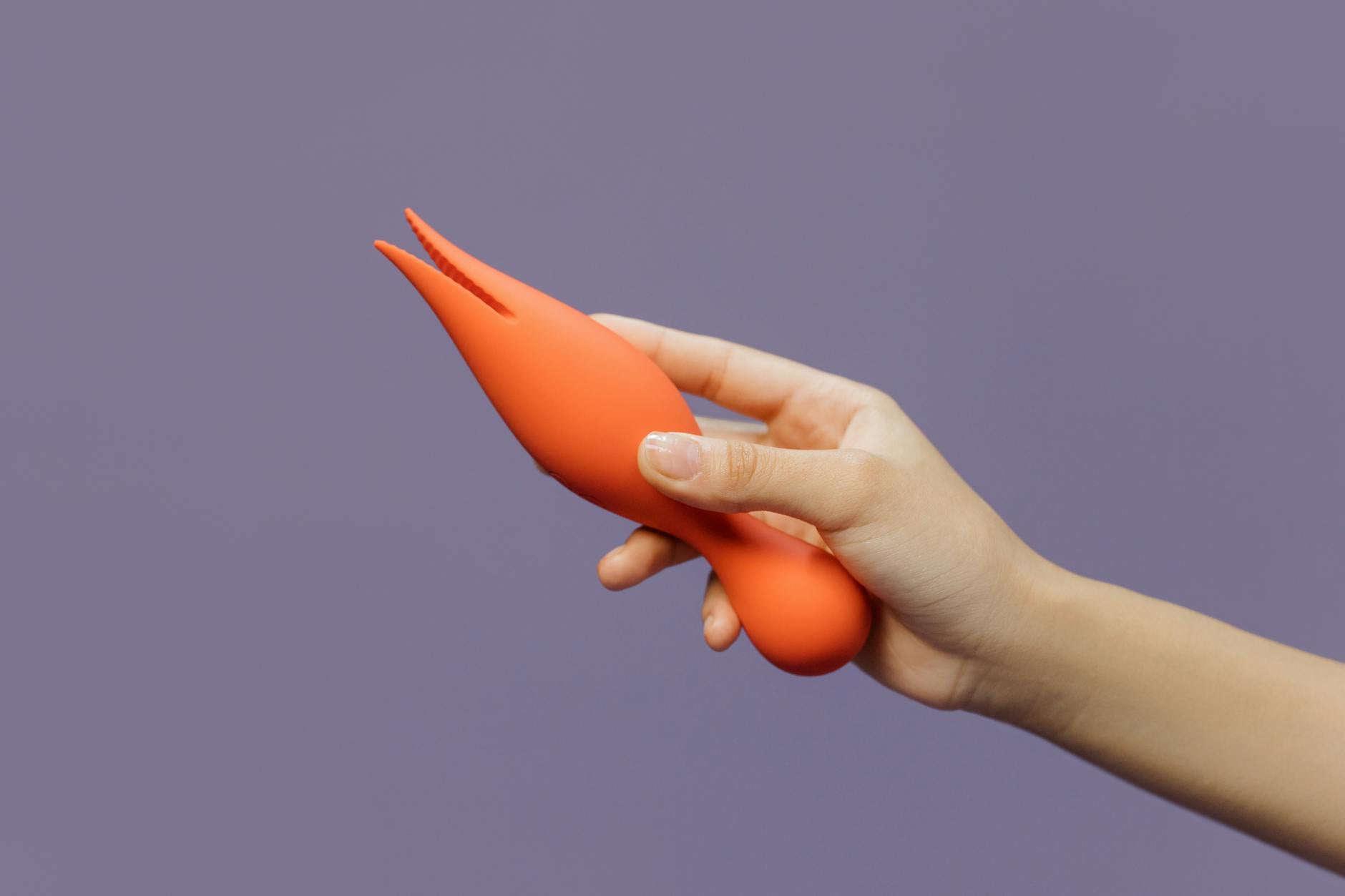
Photo by cottonbro studio on Pexels
Why intensity feels different (and often better) post-menopause
One of the strangest observations I make in my practice: women and people with vulvas often report stronger orgasms with suction toys than they ever had with vibration. This seems backward until you understand the mechanics.
Intensity isn't just about decibels or frequency. It's about sensation concentration. A lemon suction vibrator creates a highly focused stimulus in a small area. Traditional vibrators diffuse sensation across a wider surface. Post-menopause, when sensation is concentrated anyway due to tissue thinning, suction feels like it's meeting you exactly where your nerve endings are firing.
Add to that: the rhythms available on a lem vibrator are often more varied than traditional vibrators. You get pulse patterns, wave patterns, escalation patterns. With thin tissue, the ability to vary stimulation is crucial. You can start gentle, work up, back down, find the exact sweet spot. Many traditional vibrators are just "vibrate harder or less hard." That works fine when your tissue can absorb multiple stimulus patterns. It's limiting when it can't.
Lubrication becomes more important, but not because you're broken
Let's address the uncomfortable part directly. Vaginal lubrication does decrease post-menopause. But this is a tissue change, not a desire change, and it's wildly treatable. Using lubricant isn't admitting defeat. It's using the right tool for the job.
Water-based lubricant works best with lemon vibrators (silicone lube can degrade silicone toys, and most suction toys are silicone). A good lube makes suction feel even better because it helps create a proper seal and adds glide. Think of it as part of the setup, not a workaround.
Many post-menopausal people also find that their bodies warm up differently. Arousal takes longer to build. Extending foreplay from 10 minutes to 20 or 30 minutes isn't a sign something's wrong. It's just how the body works now. A lemon vibrator's varied patterns actually help here because you can use different modes during that longer warm-up, maintaining interest and engagement.
The mental shift that matters as much as the physical one
Here's what I see again and again in practice: post-menopause, people are often more willing to explore. The pressure to perform, to be a certain version of sexy, to prioritize a partner's preferences over your own often softens. Menopause is a boundary. On the other side of it, many people stop performing and start experiencing.
That mental freedom changes everything. A lemon vibrator in your hand at 55 isn't the same as one at 45, even if the toy is identical. You're using it differently. You're taking longer. You're experimenting with patterns you wouldn't have bothered with before. You're having orgasms that are purely for you.
I don't think lemon vibrators create better orgasms just because of physics. I think they create better orgasms because they give post-menopausal bodies permission to explore sensation without fighting their own architecture. And that permission, combined with the actual physiology, is powerful.
When to troubleshoot and when to seek help
If a lemon suction vibrator feels uncomfortable, you have options. Try a different pattern or intensity level. Ensure you're using water-based lubricant and applying it generously. Some people need a full 30 minutes of foreplay before suction feels good. Some people benefit from topical estrogen cream (a prescription from a gynecologist) that rebuilds tissue thickness.
If you experience pain during sex or with any toy, that's a signal to see a menopause-trained gynecologist. Genitourinary syndrome of menopause (GSM) is real and very treatable. Topical estrogen, vaginal moisturizers, and sometimes systemic hormone therapy can shift the picture entirely.
Some people also find that they benefit from pelvic floor physical therapy post-menopause. The pelvic floor loses estrogen support and can tighten defensively. A pelvic floor PT can teach you to relax those muscles, which makes any toy feel better.
If desire itself has disappeared, that's different from pleasure response changing. Low libido post-menopause has multiple causes: hormonal (low testosterone), relational (disconnection with a partner), psychological (grief about aging), or medical (depression, medication side effects). A lemon vibrator won't fix that, but a conversation with a therapist or doctor might.
Building your post-menopause pleasure toolkit
Many people find that their pleasure post-menopause actually deepens when they have the right tools. A lemon vibrator is often part of that toolkit, but not the whole thing.
Water-based lube becomes non-negotiable. A good one is an investment. Longer foreplay time is part of the new normal, and that's not a loss if you shift your mindset. Mental engagement matters more. You can't rely on spontaneous physical arousal; you might need to create the conditions for arousal (setting, time, attention).
Some people find that combining tools works better. A partner's touch plus a lemon suction vibrator. Or a lemon vibrator plus a wand (here's a guide on combining lemon vibrators with wand vibrators if you're interested). Or a lemon vibrator alone, with no partner, which many people find liberating.
The key is: your pleasure post-menopause isn't diminished. It's redirected. Different tissue means different sensation. And when you have a toy designed for that tissue (like a lemon suction vibrator), pleasure can actually intensify.
FAQ: Lemon Vibrators and Post-Menopause Pleasure
Can a lemon vibrator really feel stronger than a traditional vibrator after menopause?
Yes, but not for everyone. It depends on how your tissue responds to the menopause transition. For people whose clitoral tissue thins significantly, suction stimulation is often more intense and pleasurable than vibration because it doesn't require thick tissue to feel good. If your body's response is different, a traditional vibrator might still be perfect for you. Start with sensitivity and adjust.
Is water-based lube essential with a lemon suction vibrator post-menopause?
Strongly recommended, especially post-menopause. Lube helps a suction toy create a proper seal and makes the sensation more pleasurable. It's not a sign of dysfunction; it's a tool that works better with lubrication. Use as much as feels good.
How long should foreplay last post-menopause before using a lemon vibrator?
There's no magic number, but 15 to 30 minutes is common. Your body's arousal pattern has changed. Blood flow takes longer to build. Clitoral engorgement is more gradual. Start earlier than you think you need to, and use that time for other forms of touch before introducing the toy.
Can topical estrogen cream make a lemon vibrator feel better?
Often yes. If you start topical estrogen therapy (which rebuilds tissue thickness without significant systemic absorption), you might notice that vibration feels more tolerable again. Some people find they prefer a lemon vibrator even with topical estrogen because the sensation is still more targeted. Others shift back to traditional vibrators. It's individual.
What if a lemon vibrator feels uncomfortable or numb post-menopause?
You might be starting too intense. Try the lowest pattern or intensity and build slowly. Ensure you're using lubricant generously. Give your body more foreplay time. If numbness persists, it could signal low blood flow (sometimes related to cardiovascular health post-menopause) or nerve changes. A gynecologist can help troubleshoot.
Should I try a lemon vibrator even if traditional vibrators worked fine before menopause?
If your body hasn't changed much post-menopause, there's no reason to switch. But if you've noticed that traditional vibrators feel less pleasurable, more numb, or overstimulating, trying a lemon suction vibrator is worth it. Many people find it reignites sensation they thought was gone.
The bigger picture: menopause is a doorway, not a dead end
I work with people navigating menopause weekly, and the ones who report the deepest satisfaction post-menopause have one thing in common: they accepted that their body changed and then got curious about what that change meant for pleasure. Not grieving the old way pleasure worked, but exploring the new way.
A lemon vibrator is a tool for that exploration. It's not a fix-all and it's not necessary for everyone. But for the people whose clitoral tissue thins significantly, for whom traditional vibration becomes uncomfortable or numbing, suction-based stimulation often opens a door that felt closed. And that matters. Your pleasure matters. After 50, after a lifetime of putting others first, after the hormonal chaos of perimenopause and the settling of menopause, you deserve sensation that works for your body as it actually is.
That's not compromise. That's self-knowledge. And for most people, that's the best kind of sex they've ever had.