Here's what happens when everything changes
Your partner got a promotion. You moved across town. Kids grew up. Someone's working nights now. The relationship didn't break. But the sex did. And now you're looking at each other wondering if this is just what happens, or if there's actually something you can do about it.
Low libido after major relationship shifts is one of the most common things I see in my practice. It's not usually about attraction. It's not about love. It's about the fact that your nervous system is in survival mode, your routine got scrambled, and desire got pushed to the bottom of the to-do list where it hasn't been touched in months.
Here's what most people don't realize: rebuilding desire doesn't start with your partner. It starts with you.
Why desire disappears when everything shifts
When a major life change happens—a job change, a move, a health scare, even good news like a promotion—your brain prioritizes stability over pleasure. That's not a flaw. That's your nervous system doing its job.
But here's the problem. If you wait for your nervous system to calm down naturally, you could be waiting months. Or longer. Desire doesn't bounce back on its own in most cases. It needs to be invited back.
This is where solo exploration comes in. I'm not talking about waiting around hoping your partner will initiate. I'm talking about actually taking responsibility for your own pleasure, which does something strange and powerful: it reminds your brain that you deserve good feelings. That your body is capable of sensation. That pleasure is still part of your life, even if everything else is chaos.
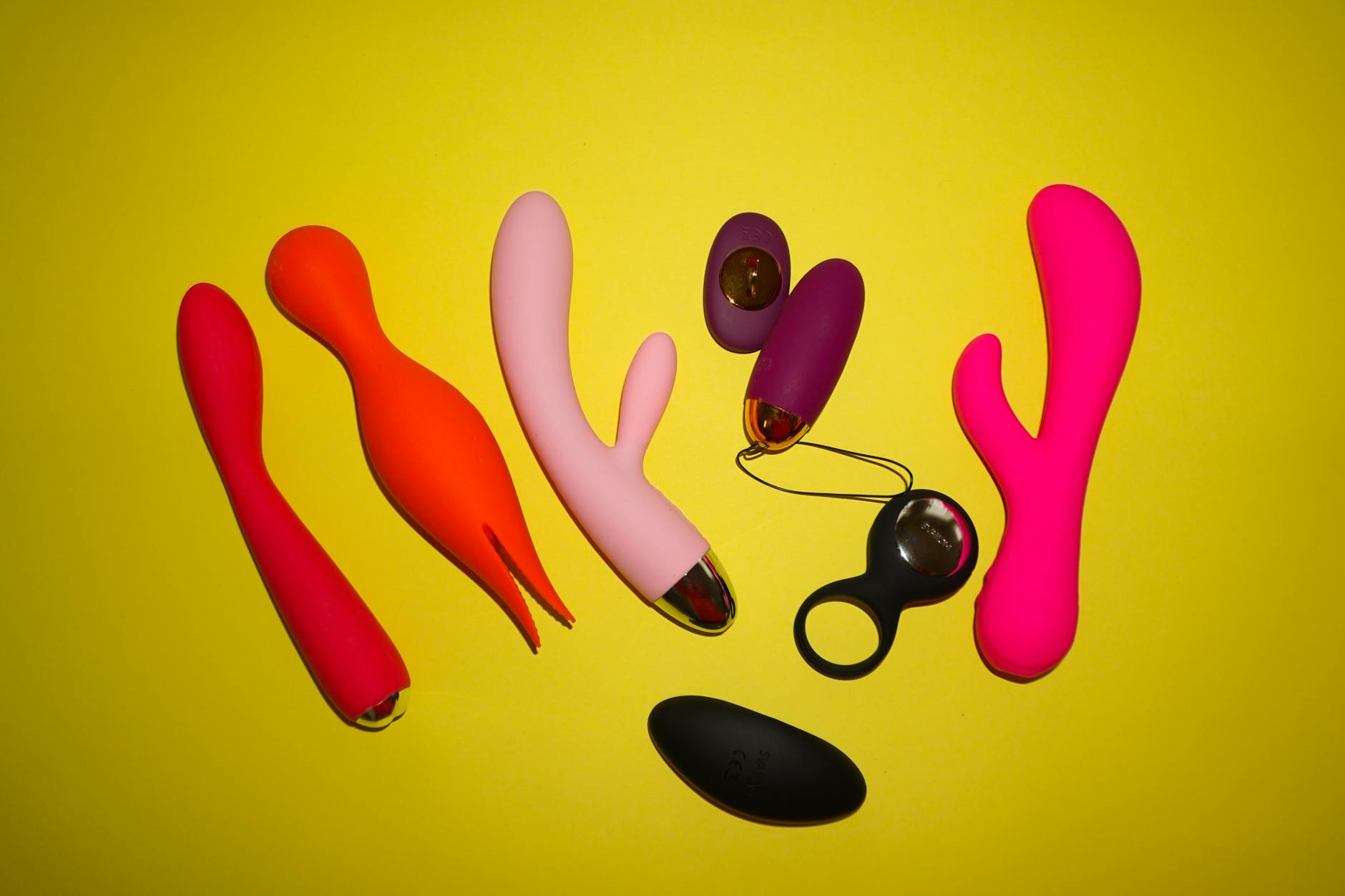
Lemon clitoral vibrators are particularly useful here because they work differently than traditional vibrators. They use suction and pulsing rather than pure vibration, which means they create a fuller, more satisfying sensation that often feels less clinical and more like direct touch.
The pleasure-reconnection gap
After a relationship shift, there's usually a gap between what sex used to feel like and what it feels like now. Your body might feel less responsive. Your mind might be somewhere else entirely. And reaching for the same old routine (if you're even reaching for anything) often just feels flat.
This is where experimentation matters. A lemon suction toy gives you a completely different sensation profile than what you might be used to, which means it can actually reset your baseline. It's new enough to get your attention. It's focused enough that you can feel results quickly. And crucially, it puts you in control of the experience in a way that partner sex often isn't.
When you're using a tool like the Lem vibrator solo, you're not managing someone else's pleasure. You're not thinking about performance. You're not wondering if you're taking too long or if you should speed up. You get to explore at your own pace, which for most people is exactly what their nervous system needs after a transition.
I typically recommend that couples going through a major shift both spend time exploring solo before trying to reconnect with each other. It sounds counterintuitive. But it works because desire is neurological. You have to rebuild the pathway in your own brain first.
Starting with self-pleasure as a practice, not a quickie
Here's where most people go wrong: they treat solo exploration like they're ticking a box. Five minutes in the shower. Eyes half closed thinking about something else. That won't rebuild anything.
Instead, treat it like an actual practice. Give yourself 20-30 minutes. No phone. No thinking about your to-do list. No going through the motions because you feel like you should be aroused by now.
With a lemon clitoral vibrator specifically, start on the lowest setting and just notice what it feels like. Not "Am I getting there?" but "What is this sensation actually doing to my body?" That distinction is everything.
Most people who struggle with libido after relationship changes have gotten very in their heads. Pleasure happens in the body. You have to actually feel it, not think about it. A focused tool like a lemon suction vibrator makes that easier because the sensation is strong enough that you can't ignore it. You have to be present.
Rebuilding confidence in your own response
After months of not being turned on, a lot of people lose confidence that they can be turned on. They start to believe the story that desire is just gone, that maybe menopause is starting early, that maybe their partner has aged out of their attraction, or that they're fundamentally broken somehow.
None of that is usually true. You're just out of practice. Your nervous system is dysregulated. And you haven't given yourself permission to actually pursue pleasure in a while.
Exploring solo with a lemon vibrator is like a confidence rebuilding exercise. You get to discover that yes, your body still works. Yes, you can still feel good. Yes, arousal is still possible. That's huge, because once you know that it's possible, you can start thinking about what it would take to build that back with your partner.
When and how to bring your partner in
After a few weeks of solo exploration, desire often starts to return naturally. You're more present in your body. Your nervous system has had a chance to settle. And you've got evidence that pleasure is still accessible to you.
This is when partnered sex becomes interesting again. Not because you're trying to perform or because you feel obligated, but because you actually want it. You know what you're capable of. You know what feels good. And now you want to share that.
Many couples find that incorporating a lemon clitoral vibrator into partnered sex is a gentle way to reintroduce intimacy without the pressure of traditional intercourse. It's collaborative. It's playful. And it immediately reminds both partners what pleasure feels like.
The key is talking about it beforehand. "I've been exploring solo and I'd like to bring this into what we do together" is a very different conversation than surprising someone with a toy. How to Introduce Lemon Vibrators to Your Partner has more detail on that conversation, but the short version is: transparency, consent, and zero pressure.
The nervous system piece that changes everything
When you rebuild desire after a relationship shift, you're not actually fixing your sex drive. You're regulating your nervous system. You're telling your brain that stability is returning and pleasure is safe again.
That's why a structured practice—even if it's just 20 minutes a few times a week with a lemon vibrator—works so much better than hoping desire will magically come back. You're actively signaling to your nervous system that pleasure is a priority. That your body matters. That this relationship (with yourself and with your partner) includes sensation and joy, not just logistics and stress.
After a major life change, that signal is often exactly what's needed to reset everything.
FAQ: Low Libido and Lemon Clitoral Vibrators
Can using a lemon vibrator solo actually help with partnered desire?
Yes. Solo exploration rebuilds your nervous system's capacity for arousal, which is what usually shuts down after a relationship or life shift. Once you've recalibrated your own pleasure, partnered sex becomes accessible again. It's not magic, but it's consistent enough that most therapists recommend it as a first step.
How long before I notice a difference in my libido?
Most people notice something within 2-3 weeks of regular solo practice. Not necessarily orgasm or intense arousal, but interest returning. A curiosity about sensation. A slightly faster response to touch. Those early signals tell you the pathway is reopening.
Is it weird to use a lemon suction toy if I've never used a vibrator before?
Not at all. Lemon vibrators are often easier for first-time users than traditional wand or bullet vibrators because the sensation is more diffuse and less intense. Start on the lowest setting, spend time exploring without the goal of orgasm, and you'll get a clear sense of how your body responds.
What if my partner feels threatened by me exploring solo?
That's worth a conversation before you start. You might frame it as "I want to feel more in my body again so that our sex life improves," which is true. Some partners actually find it incredibly hot. Some partners need reassurance that this is about pleasure, not replacement. How to Introduce Lemon Vibrators to Your Partner has language for that conversation.
Can a lemon vibrator actually create stronger sensations than a partner's touch?
It's different, not better or worse. The focused suction sensation of a lemon clitoral vibrator can feel more concentrated than fingers or a tongue, which appeals to some people. Others prefer the warmth of partner touch. Most people find they want both, at different times. That's completely normal.
How often should I be using a lemon vibrator for libido recovery?
There's no magic number, but consistency matters more than frequency. 2-3 times a week for 20-30 minutes is plenty to send a signal to your nervous system that pleasure is back on the menu. Some people do more once they get into it. Others find that this baseline is enough to reignite partnered desire.
The long view
Relationship shifts are inevitable. Job changes, living situations, health, aging. All of it affects desire. The couples who keep their sex lives alive aren't the ones who get lucky with unchanging circumstances. They're the ones who actively invest in pleasure, solo and partnered, even when everything else is complicated.
Rebuildng desire after a major life change starts with remembering that your body is capable of feeling good. A lemon clitoral vibrator is a tool for that remembering. Not a solution. A tool. The real work is giving yourself permission to use it without guilt or shame, and then having the courage to bring that renewed desire back into your partnership.
Your pleasure matters. Especially when everything else is in flux.