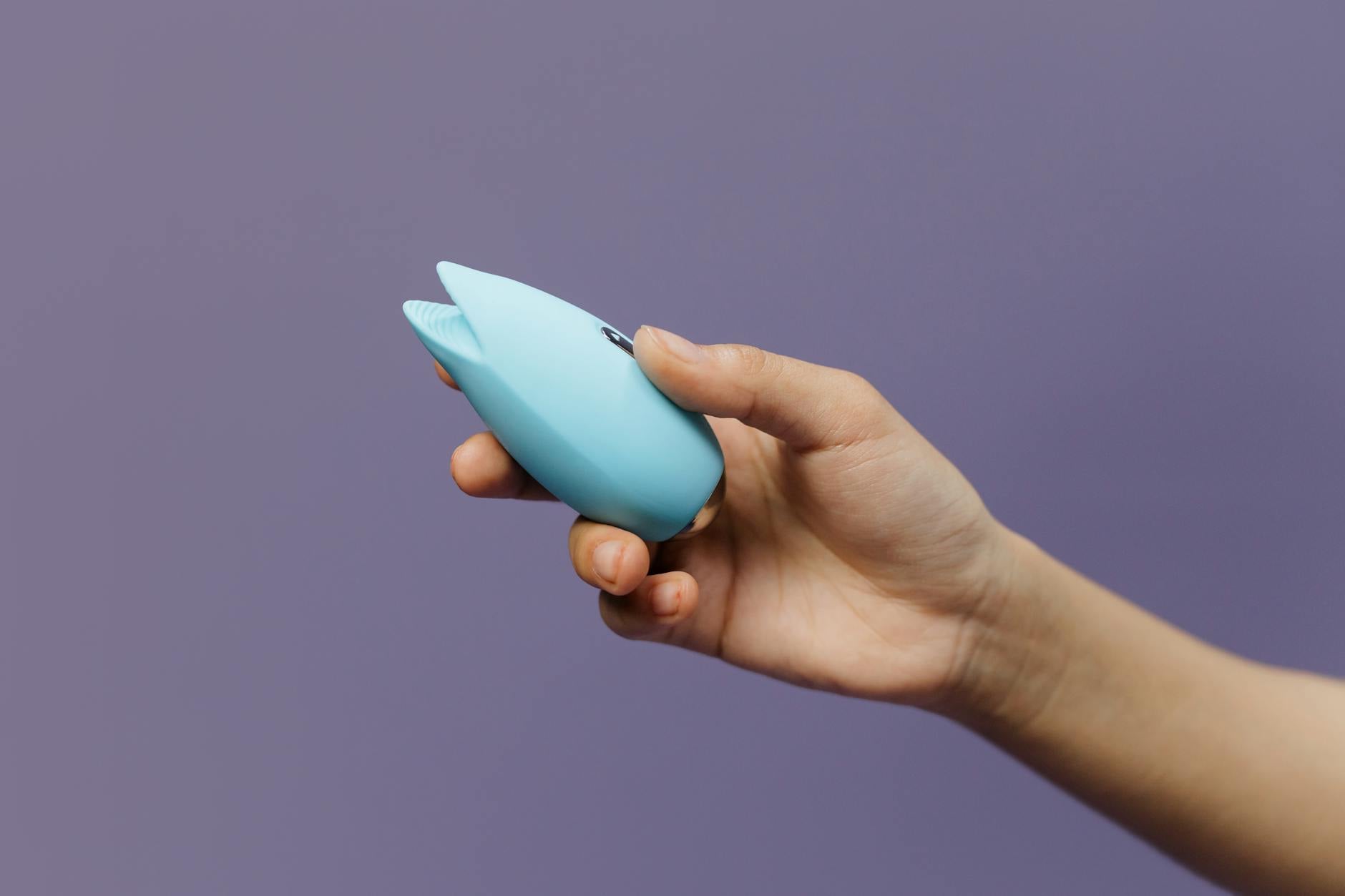
Let's be real about this conversation
Introducing a lemon clitoral vibrator to a partner doesn't require permission. Your pleasure isn't a group vote. But if you share a bed and you want them involved or present, you probably want them to understand what's happening and ideally be into it. The fear is reasonable though. You're essentially saying "I want this thing because what we're doing now isn't quite getting me there," which your partner might hear as criticism even if you don't mean it that way.
Here's the thing: most partners aren't resistant to vibrators because they're threatened by lemon suckers or clitoral vibrators in general. They're anxious because the conversation itself feels loaded with subtext they can't quite read. This post is a roadmap to defuse that.
Why partners actually resist (it's rarely what you think)
I've sat with dozens of couples where one partner wanted to bring a vibrator into their sex life and the other pulled back. The resistance almost never comes from "I don't want you to enjoy yourself." It usually lands in one of four places:
Fear of inadequacy. "Does this mean I'm not enough?" This one sounds needy but it's actually vulnerable. Your partner may have internalized that their body should be sufficient, and now they're worried they're not. It's not about the lemon vibrator itself.
Lack of information. If they've never used a toy before, they might imagine it hurts, or changes your body, or is weird in ways they don't want to know about. Mystification breeds resistance.
Timing anxiety. They're worried you'll prefer the vibrator to them, or that it'll replace partnered sex entirely. This is usually less about logic and more about feeling dispensable.
Genuine preference. Some people actually don't want toys in their sex life. That's a different conversation entirely, and we'll circle back to it.
The first three? Totally solvable with the right framing. The fourth one requires a real negotiation.
The setup conversation (not during sex)
This matters more than you'd think. Don't ambush them mid-intimacy with "Hey, I got a lemon vibrator." Do it when you're both clothed, clear-headed, and have time to actually talk without rushing to the next thing.
Pick a moment of genuine ease. Not after a conflict. Not when they're stressed about work or family stuff. Not right before bed when they're half-asleep. You're looking for 15 minutes of actual presence from both of you.
The opening line matters. Here are three versions depending on your dynamic:
Honest and direct: "I've been thinking about bringing a clitoral vibrator into our sex life. I wanted to talk to you about it before I actually do anything, because it matters to me that you're on board."
Softer lead-in: "I read this thing about lemon clitoral vibrators and I'm curious. Can we talk about whether you'd be open to trying one together?"
Question first: "How do you feel about us using toys during sex? I've been thinking about it."
Pick the one that feels truest to how you actually talk. That matters more than the exact words.
The explanation (give them information, not performance)
When they ask "Why?" (and they will), don't make it about their shortcomings. Make it about your body.
"My clitoris responds differently to suction stimulation than direct friction. A lemon vibrator uses this air-pulsing pattern that feels really different, and I want to explore what that does for me. It's not about you or what we do together. It's just a different sensation."
That's useful, honest information. It doesn't blame them or make it sound like you're leaving them behind.
If they ask if you'll want it every time, tell them the truth: probably not. You might want partnered sex alone some nights. Toys some nights. Both other nights. That variety is actually healthy, and saying so might ease their "will this replace me" anxiety.
Some partners will ask what they should do while you're using it. This is a good sign. They're looking for a role. Offer specific things: "You could be inside me while I use it," or "You could be kissing my neck," or "You could just be there watching," depending on what actually appeals to you. Lemon suckers and clitoral vibrators feel best when there's genuine arousal happening, not performance for someone else's comfort.
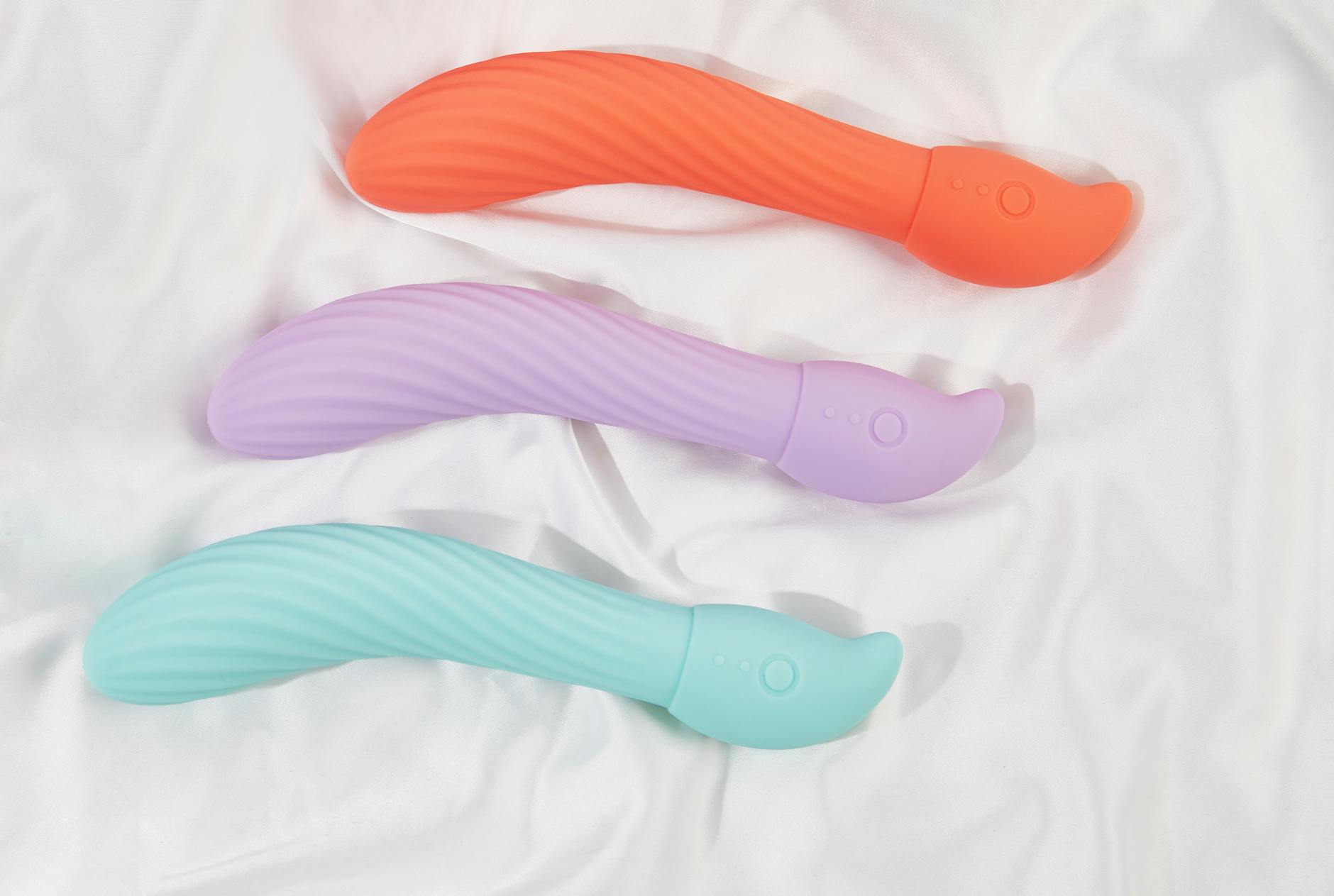
Photo by IFONNX Toys on Pexels
If they say no (what comes next)
Okay, they're not ready. Now you have a choice.
You can use a vibrator on your own, which is fully your right. You don't need permission to solo play. But if you specifically want partnered sex with toys, you need to understand what "no" actually means.
"I don't know" is different from "I'm not interested." "I'm uncomfortable" is different from "I think it's wrong." Have a follow-up conversation that goes deeper. Is it a timing thing? An information thing? A genuine dealbreaker?
If they're worried about inadequacy, you might say: "I want to be clear on something. Using a lemon clitoral vibrator during sex with you isn't about you not being enough. It's about exploring different sensations. Kind of like how we might want to try different positions or watch something together. It doesn't replace what we do. It adds something."
If they need time, give them time. Don't keep pushing the same conversation every week. Let them sit with the idea. Often people shift from "no" to "maybe" to "yes" just by having permission to think about it without pressure.
But if they say no and mean it, you have to decide what that costs you. Some people are comfortable using toys solo. Some people aren't. That's where you check in with yourself about what you actually need from your sex life and whether this relationship accommodates it. There's no moral answer here. It's just a real incompatibility question.
The first time (lower the stakes)
If you're moving forward, keep the first experience casual. Don't make it A Big Production. Bring your lemon vibrator or lem toy into regular sex like you'd introduce any new element.
Don't narrate what's happening. Don't over-explain. Just use it. Your partner gets to watch, learn, feel the rhythm, see what makes you respond. That teaches them more than talking ever will.
And here's something that often surprises partners: watching someone you're attracted to experience genuine pleasure from a toy is often hot. The surprise shift from anxiety to arousal is real. You might find they stop worrying once they see what actually happens.
When to loop them in (ongoing)
After the first time, you don't need a debrief unless something felt off. But if you want to use your lemon clitoral vibrator regularly, you might say something simple like "I'd love to use that again this weekend" instead of just springing it on them. That's a courtesy, not permission. It's you saying "I'm planning this, fair warning."
Over time, some partners move from tolerant to curious to enthusiastic. Some stay neutral and that's fine. You're looking for acceptance, not evangelism.
One thing I've noticed in couples is that once vibrators become normal (not mysterious), they often become a tool both partners use together naturally. People get less weird about them when they stop being A Thing and just become part of the toolkit. That usually takes a few months though. Patience.
The actual logistics (so you have a plan)
If you do move forward, a few practical things:
Store your vibrator somewhere you both know about. Not a secret. Boring transparency takes the weirdness out of it. A drawer, a cabinet, wherever.
Clean it before and after. That's hygiene, not ritual. Water-based lube works best with most toys. Silicone lube can degrade silicone toys, so stick with water-based.
Talk about what patterns feel best. "I like it on pulse mode," or "I need the highest setting." Boring detail, huge impact on the experience.
If you're curious about how lemon vibrators specifically work differently than other tools, you might want to read up on the science of clitoral suction. Understanding the mechanics sometimes helps partners feel less threatened and more informed.
When partnership resistance is actually about values
There's a small subset of people who object to vibrators on philosophical grounds. They believe partnered sex should be "natural," or they have religious reasons, or they genuinely believe toys are a sign of infidelity.
Those conversations are harder because they're not about fear or misinformation. They're about values. And they don't resolve in a 20-minute chat.
If this is your situation, that's a deeper couples conversation, possibly one worth having with a therapist. You're not trying to convince them vibrators are fine. You're trying to understand if there's room for what you need within the values you share. Sometimes there is. Sometimes there isn't. Both are valid outcomes, but they require honesty.
FAQ: Common questions about introducing vibrators to partners
Will my partner think I want to cheat if I use a vibrator?
Not if you frame it clearly: a vibrator is a sensation, not a person. Many people find that having toys actually deepens partnered sex because it removes the pressure for one person's body to do literally everything. Toys are tools, not competition.
What if they want to use the vibrator on me but I want to use it myself?
You can do both. Some nights you might want them to hold it. Other nights you want control. There's no rule. Communication on each occasion is enough: "Can you use it on me tonight?" or "I want to take over for this part."
If I introduce a lemon vibrator to my partner, does that mean we need to do it every time we have sex?
No. Toys are optional. You might use a lemon clitoral vibrator twice a month or twice a week or not at all for a while. It's just another thing available, like trying different positions or different rooms. Variety is the point.
My partner seems excited but I'm nervous. Is that normal?
Completely. Your anxiety might be about vulnerability, or about your own pleasure being witnessed, or about things changing. That's worth sitting with. You don't have to push forward if you're not genuinely into it. Enthusiasm has to come from both of you.
What if they want to use a lemon vibrator on themselves too?
Then you're both using toys. Some people who were hesitant about their partner using toys become curious once the conversation starts. That's fine. You might discover you both enjoy them.
Can I introduce a vibrator if we're going through a rough patch?
Probably not the right moment. If the foundation is shaky, adding novelty usually doesn't help. Fix the underlying stuff first, or at least get to a place where you actually want to be close. Toys work best when there's genuine desire and safety already there.
The real thing underneath
Introducing a lemon vibrator to your partner is ultimately about saying: "My pleasure matters. I want to explore my body. And I want you to be part of that exploration." That's a good thing to ask for. It takes courage. It's also healthy.
Not every partner will be ready immediately. Some will never be ready. That's information too. But most of the resistance dissolves once the mystery goes away and they realize you're not trying to replace them. You're trying to feel better.
Your body deserves attention and care and pleasure. If you need a tool to get there, that's not a compromise. That's self-knowledge. And a partner worth keeping will eventually understand that.
Ready to explore further? We have guides on how to use lemon vibrators for maximum clitoral stimulation and why lemon-shaped vibrators work better for clitoral pleasure if you want to go deeper into the mechanics.
Questions? Get in touch — we're here to help.