How Hormonal Changes Actually Affect Clitoral Sensation
Let's be real: hormonal shifts hit different. Whether it's menopause, stopping birth control, switching medications, or even the hormonal roller coaster of perimenopause, your clitoris doesn't experience pleasure the same way it did before.
Here's what happens. Estrogen and testosterone regulate tissue thickness, blood flow to the clitoris, and how quickly sensation builds. When those hormones drop or fluctuate, your clitoris becomes more sensitive to pressure but sometimes slower to warm up. That's not a bug, it's just your body changing.
The good news: lemon vibrators, with their unique suction mechanism, are wildly well-suited to post-hormonal bodies. I've seen clients who felt disconnected from their clitoris for years regain intense, reliable pleasure within days of switching technique.
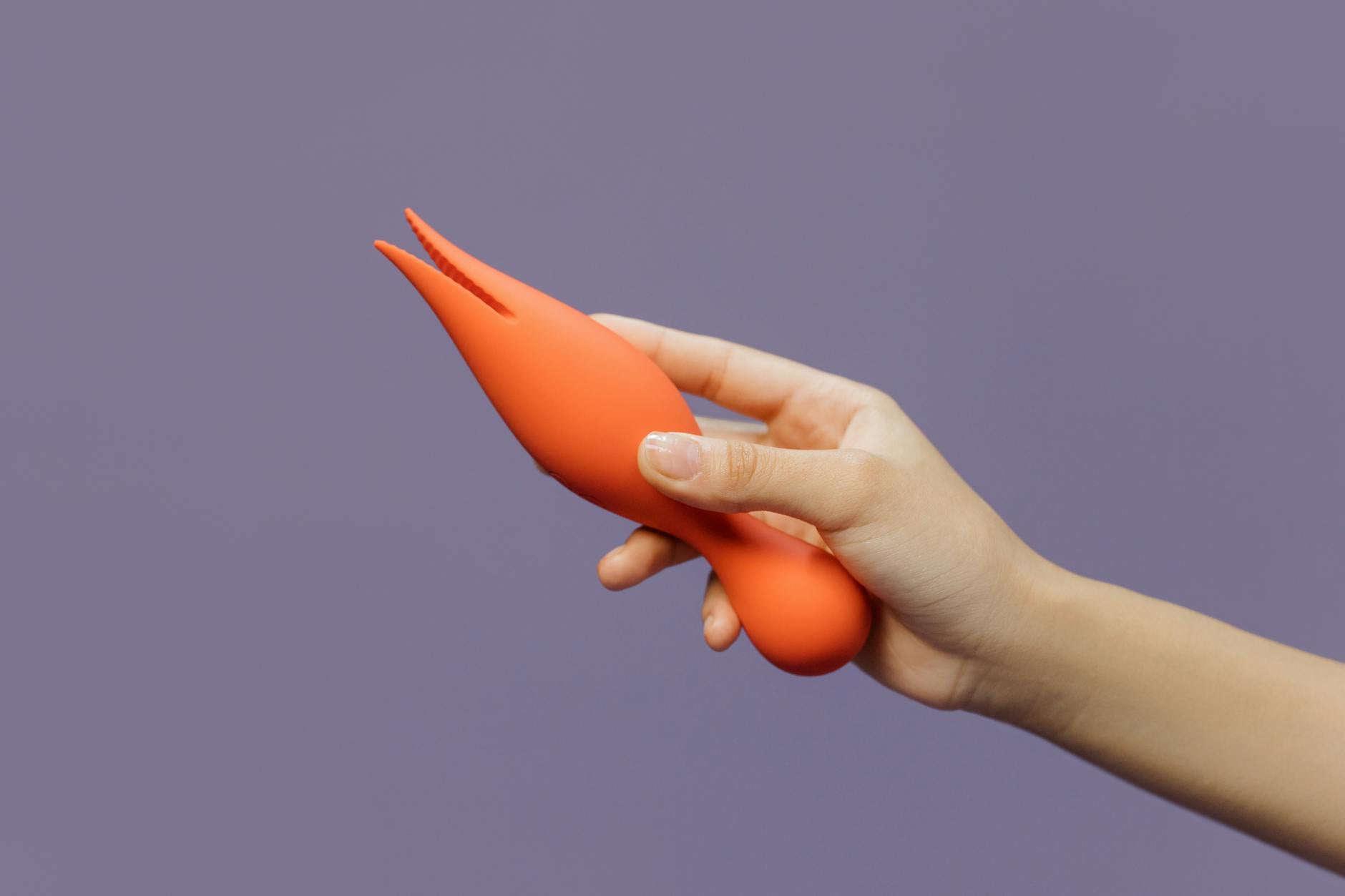
Photo by cottonbro studio on Pexels
Why Lemon Clitoral Vibrators Work Better for Shifted Sensitivity
Traditional vibrators buzz directly against tissue. With hormonal changes, that constant vibration can feel either too intense or annoyingly numb. You're chasing the right pressure, never quite finding it.
A lemon vibrator works differently. It creates a gentle suction that draws the clitoral tissue into a soft cup while delivering subtle pulses. This means:
Less direct pressure on sensitive tissue. Post-menopausal or hormonally shifted clitorises often have thinner epithelium. Direct vibration can feel raw. Suction distributes pressure across a wider surface, which feels gentler and more enveloping.
Slower, steadier arousal. Suction builds sensation gradually rather than jolting your nervous system. When your body needs longer to warm up, this rhythm works with you instead of against you.
Deeper stimulation without intensity. The suction gently pulls blood into the clitoral tissue, which can actually increase sensitivity over time. You're not fighting the vibration; you're working with your body's own response.
I've worked with countless people who thought their pleasure capacity had shrunk after hormonal changes. When they switched to a lemon clitoral vibrator and adjusted the technique, they often discovered their pleasure didn't disappear—it just needed a different approach.
Step-by-Step: Starting With Your Lemon Vibrator After Hormonal Changes
Start at the lowest setting (Pattern 1 or 2). This matters more after hormonal shifts than it did before. Your tissue is more reactive to intensity now. Begin gentle. You can always increase. You can't unhear an overstimulated nerve.
Warm up longer than you think you need to. Budget 15 to 25 minutes before using the lemon vibrator itself. This isn't wasted time. Touch yourself with your fingers, use a partner's hand or mouth, apply a warming massage oil. The goal is to get blood flowing to your clitoris before you introduce any toy.
Why? After hormonal changes, arousal takes longer. Your clitoris won't be as easily plump and engorged as it used to be. Warming up primes the tissue so the suction actually has something to work with.
Apply water-based lubricant generously. This is non-negotiable. Thinner tissue gets irritated without lubrication, even with suction. Coat your clitoris and the cup of the lemon vibrator. Reapply every few minutes. The lubricant lets the suction work smoothly without creating friction.
Position the cup directly over your clitoris. The goal is a complete seal. If you feel vibration but no suction, you're not getting the seal. Shift slightly until you feel that gentle draw. You should feel the tissue lifting into the cup, not the vibrator sitting on top.
Stay at Patterns 1 to 3 for the first few sessions. This is where most of the magic happens after hormonal changes. Yes, lemon vibrators have higher intensities. But your nervous system right now doesn't need them. These lower patterns create that steady, building sensation that translates to full-body orgasms more reliably than jumping to intensity.
The Technique That Works Best for Hormonal Bodies
Stillness with subtle movement. Once you have your seal, don't necessarily move the lemon vibrator around. Let it sit. Move your hips slightly, or stay completely still. The suction is doing the work. Adding movement sometimes breaks the seal and kills the sensation.
After hormonal changes, many people report that orgasms feel more localized than they used to. That's not worse. It's actually often more intense than the diffuse pleasure they experienced before. Staying still with the lemon vibrator lets you feel that concentrated sensation fully.
Combine with pelvic floor awareness. As you feel sensation building, start noticing your pelvic floor. In menopause and post-menopause, the pelvic floor can get tight, which blocks orgasm. Try this: as the lemon vibrator builds sensation, breathe into your belly. On exhales, consciously relax your pelvic floor muscles. Many people describe this as the difference between fighting an orgasm and inviting it.
Layer in clitoral hood stimulation. Your clitoral hood (the skin covering the clitoris) is connected to all the same nerve pathways as your clitoris. After hormonal changes, stimulating the hood can actually make direct clitoral stimulation feel more intense. Use a finger to gently pull back your hood, or let the lemon vibrator do slightly more work on the hood while you're building arousal.
Use it with a partner for feedback. If you have a partner, let them watch or feel what's working. "That angle feels amazing" is way more useful than struggling alone. Partners often notice patterns in what makes you respond that you miss because you're focused on sensation.
Common Adjustments for Specific Hormonal Situations
After menopause. Tissue is thinner, arousal takes longer, orgasms can feel more concentrated. Use the lemon vibrator at Patterns 1 to 3, stay on the same spot, and allow 20 to 30 minutes total. You're not racing. Consider a partner's hands on your breasts or body while you use it—mental arousal matters even more now.
After stopping hormonal birth control. Your hormones are still stabilizing. You might feel hypersensitive one week and numb the next. That's normal. During sensitive weeks, use lower patterns and shorter sessions. During numb weeks, you might need Pattern 3 or 4. Track what works when so you're not guessing.
During perimenopause. Your hormones are fluctuating wildly, so your pleasure response might too. Don't assume you're broken. Give yourself permission to have different preferences week to week. Some weeks a lemon clitoral vibrator feels perfect. Other weeks you need longer warm-up time and lower intensity. That's not failure. That's paying attention.
After hormonal treatments (cancer meds, thyroid, etc.). Some medications affect sensation and lubrication. If you're on anything that shifts hormones, start with the most gentle technique and go slower than you think necessary. Your body is working hard. So is the medication. Be patient with both.
When to Use Lube and How Much Matters
You've probably heard that thinner, post-menopausal tissue needs lube. That's true. What's also true is that the type and amount matter.
Use water-based lubricant only. Silicone lube feels richer, but it can degrade silicone toys over time. Stick to water-based.
Apply it in these spots: on your clitoris, inside the cup of the lemon vibrator, and keep a small bottle nearby to reapply. Every 5 to 10 minutes, add more. This isn't about being wet enough to have sex with a partner (that's a different sensation). It's about keeping your clitoris comfortable while the suction does its work.
If you're on hormone replacement therapy (HRT), ask your doctor whether adding topical estrogen to your vulva might help alongside the lube. Some people find that combination transforms sensation because it literally thickens the tissue back up.
Troubleshooting: When a Lemon Vibrator Doesn't Feel Like Anything
You're doing everything right, and you still feel numb. This happens, and it usually means one of three things:
You need longer warm-up. Seriously. Try 30 minutes of foreplay before you even pick up the lemon vibrator. Many people after hormonal changes are shocked by how much difference those extra minutes make.
Your seal isn't actually sealed. If the cup isn't creating a complete seal, you're getting vibration but not suction, and the sensation is muted. Try a different angle. Sometimes tilting the lemon vibrator slightly changes everything.
You're on medication that dampens sensation. Some antidepressants, blood pressure meds, and other drugs genuinely reduce orgasm capacity. If you suspect this, talk to your prescriber. There are often alternatives with fewer sexual side effects.
Why This Matters Beyond Pleasure
Here's what I've seen: when people regain pleasure after hormonal changes, something bigger shifts. They feel more connected to their bodies. They stop seeing menopause or BC discontinuation as an ending. They start thinking of it as a recalibration.
Your pleasure isn't a luxury. It's part of your nervous system health, your relationship satisfaction, and your sense of agency over your own body.
Lemon vibrators aren't magic. But they are specifically designed in a way that works with how post-hormonal bodies experience pleasure. That alignment—between tool and body—is what creates the shift.
Frequently Asked Questions
How long does it take to feel sensation return after hormonal changes?
Anywhere from one session to several weeks. Some people feel a difference the first time they use a lemon vibrator with the right technique. Others need three to five sessions for their nervous system and clitoris to wake up. Keep going. Your body's not broken; it's just rebooting.
Can I use a lemon vibrator if I'm on topical estrogen cream?
Absolutely. In fact, many gynecologists suggest waiting 30 minutes after applying topical estrogen before using any vibrator, just to let the cream absorb fully. After that wait, a lemon clitoral vibrator often works even better because the tissue has more elasticity.
What if suction feels uncomfortable instead of pleasurable?
Your seal might be too strong, or you might need more warm-up. Start by using the lemon vibrator on Pattern 1 (the gentlest pulse). If it still feels uncomfortable, try breaking the seal slightly so it's less intense. You can also apply more lubricant to reduce friction. Not everyone loves suction, and that's okay. You're learning your body again.
Does using a lemon vibrator change sensitivity over time?
Not in a bad way. Many people report that after using lemon vibrators regularly, their clitoris becomes more responsive to all types of stimulation, not just suction. This is thought to be because the suction increases blood flow over time. Your tissue gets better oxygenated, and nerves fire more readily. It's like working a muscle—it gets stronger.
Should I use a lemon vibrator solo or with a partner?
Both work. Solo, you can focus purely on sensation and learn what your body needs now. With a partner, you get feedback and emotional connection, plus hands on your body for added arousal. Try both. Many couples find that introducing a lemon vibrator together actually strengthens communication because you're literally talking about pleasure in real time.
Can I use a lemon vibrator if I'm experiencing vaginal atrophy?
Yes, and it might actually help. Suction brings blood to the tissue, which can gradually improve thickness and elasticity. That said, if you're experiencing pain or significant atrophy, talk to a gynecologist first. You might benefit from topical estrogen or vaginal moisturizers alongside the lemon vibrator. They're not competing solutions. They work together.
How do I know if I need to switch patterns?
If you've been on Pattern 1 for several sessions and you're reaching orgasm consistently, try Pattern 2 and see how it feels. The sign you're ready is that Pattern 1 feels like it's plateauing, not because the sensation is uncomfortable but because you're ready for more. Listen to your body. Some weeks you'll stay at Pattern 1. Other weeks Pattern 3 feels perfect. Both are normal.
The Bigger Picture
Your hormones shifted. Your body changed. That doesn't mean your capacity for pleasure did.
It just means you need different tools and techniques. A lemon clitoral vibrator, used thoughtfully with warm-up time and the right patterns, is specifically designed for bodies like yours right now. That alignment between tool and physiology is what creates real change.
Your pleasure matters. Your body is worth the attention. Start with the lowest setting, give yourself time, and let yourself feel what's actually possible.