Here's what nobody tells you about pleasure after forty
Somewhere between thirty-nine and forty-one, your body starts playing a different game. You're not broken. Your pleasure hasn't gone anywhere. But the route to getting there? It shifted. And if you're still using the same solo techniques that worked a decade ago, you're probably wondering why the payoff feels smaller.
It's not in your head. Here's what's actually happening.
The nerve endings are still there. The signal just got quieter.
Your clitoris has around 8,000 nerve endings. Those don't disappear. But here's the thing: as we age, our skin loses thickness and elasticity. Collagen drops. The tissue around your vulva becomes more delicate. That's not bad. It's just different.
The catch: more delicate tissue needs more intelligent stimulation. Fingers deliver friction and pressure. They're direct, which is great when your nerves are loud and robust. But in your forties, that directness sometimes feels less like precision and more like white noise. The signal-to-noise ratio tips.
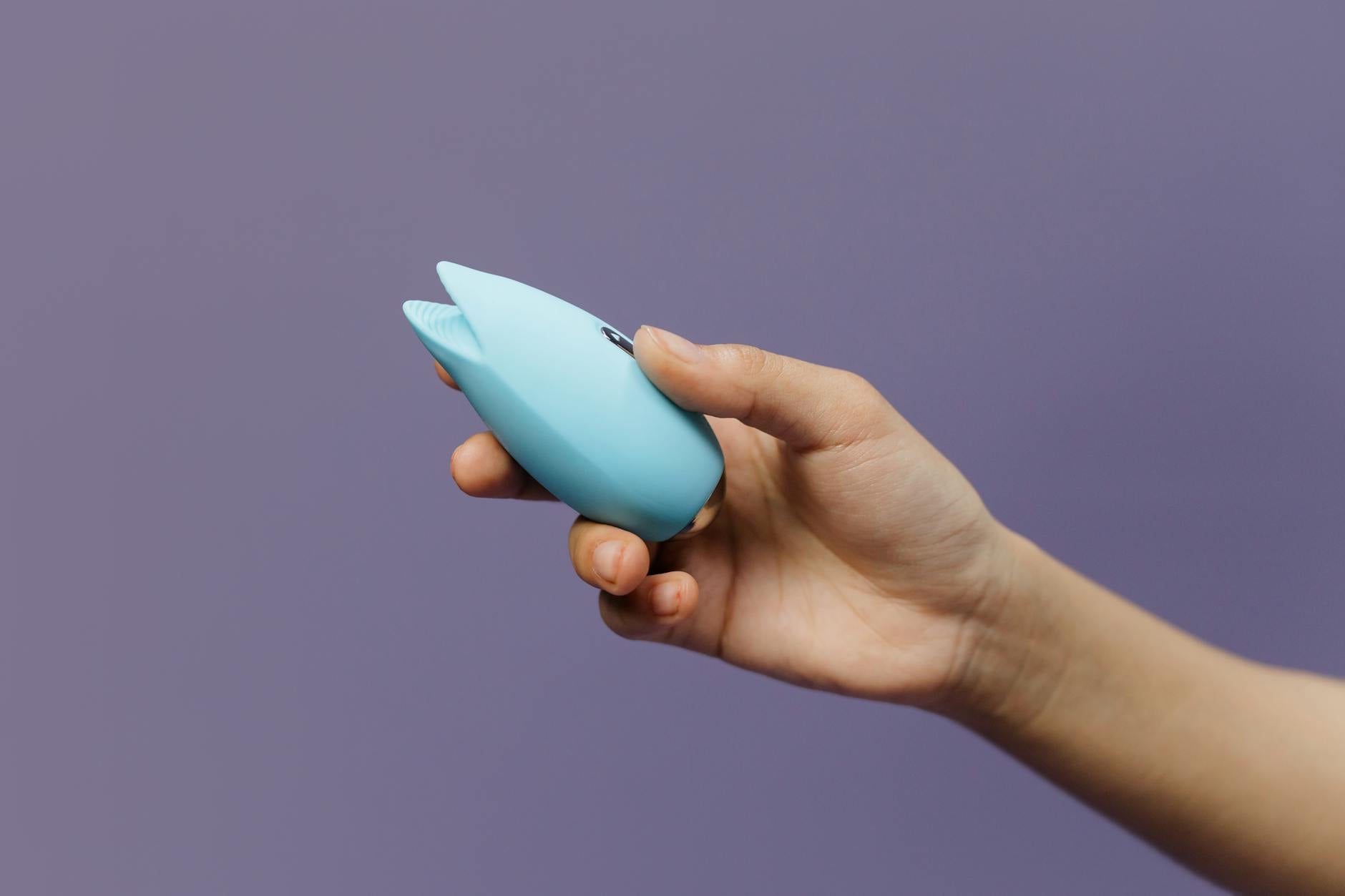
Clitoral vibrators, especially air-suction designs like the Lem, work differently. They don't rely on friction. Instead, they create waves of gentle suction that stimulate the tissue without the blunt-force pressure. It's the difference between knocking on a door and sending a text. Same destination, totally different delivery.
Sensitivity shifts, but not where you think
You might assume your clitoris became less sensitive. That's the story everyone tells. The real story is more interesting: your sensitivity actually redistributed. Your outer clitoris (the glans, what you can see) might feel less reactive to light touch. But your internal clitoral structure? The wings, the shaft, the deeper tissue? Those often become more responsive.
This is why so many people in their forties report that their most intense orgasms come from internal-external combinations or from sustained, rhythmic pressure rather than the quick, surface stimulation that worked before. Your body isn't asking for less. It's asking for something different.
A lemon vibrator's design hits this shift perfectly. The suction mechanism creates stimulation that reaches deeper tissue while still respecting the sensitivity of your outer glans. You're not losing pleasure. You're upgrading to a tool that matches where your body is now.
Arousal takes longer. That's not a flaw.
One of the most common complaints I hear from people in their forties is that orgasm feels further away than it used to. Five minutes used to be enough. Now it's twenty. Your first instinct is usually: "Something's wrong with me."
Actually, here's what changed: your cardiovascular system is doing the same work, but the blood flow coordination is slightly less zippy. You need a bit more time to reach your plateau. This is one of the most predictable shifts in sexuality after forty, and it's almost always fixable with the right tool.
The reason vibrators help here is purely mechanical. Your hand gets tired. Your forearm cramps. Your attention wavers after ten minutes. A vibrator doesn't. It maintains consistent frequency and intensity while you focus on what actually matters: the sensation itself, your breath, your arousal building steadily instead of sputtering.
Many of my clients find that once they switched from fingers to a lemon clitoral vibrator, that twenty-minute buildup stopped feeling like a burden and started feeling like permission. Permission to stay with it, to let it intensify, to trust the process. The orgasm didn't shrink. The approach changed.
Lubrication is real, and tools help
Hormonal shifts after forty often mean less natural lubrication. This is most obvious for people navigating perimenopause or hormonal birth control changes, but even without major hormonal flux, tissue tends to be a bit drier than it was at thirty.
Drier tissue + friction from fingers = discomfort, sometimes pain. Drier tissue + a suction-based vibrator = actually often feels better, because you're not introducing the same mechanical friction.
Pair a clitoral vibrator with water-based lube and you've solved for this entirely. You're not compensating for a deficiency. You're using the tools that match your current anatomy. How to Use a Lemon Vibrator When You Develop Lubricant Sensitivity covers this in detail if you're navigating this specific shift.
Your pelvic floor got stronger and pickier
Kegel muscles don't just strengthen with age. They also tend to tighten, especially if you've been clenching through stress for decades. A tighter pelvic floor actually changes how stimulation registers. It's like cranking the gain on a speaker and then complaining the sound is harsh. It's not the speaker. It's the settings.
Here's the counterintuitive part: using a tool instead of fingers often gives your pelvic floor permission to relax. There's something about the vibration that lets those muscles settle while the clitoral tissue stays engaged. It's hard to explain, but clients report it constantly. Fingers = active engagement. A vibrator = passive pleasure. Different neurological pathway.
The experience of orgasm actually often gets better
I know this sounds like a line. It's not. In my practice, I consistently find that people who've been partnered for two decades and then discover vibrators at forty-five describe orgasms as more intense, more localized, more textured than what they experienced at thirty. Your brain got smarter about reading your own signals. Your body learned which sensations matter. You have way less patience for mediocre. That's not a crisis. That's wisdom.
The reason I mention this is because a lot of people approach the post-forty sexuality shift with resignation. Like you're supposed to accept diminishing returns. You're not. You're supposed to optimize. A clitoral vibrator isn't a workaround for aging. It's the right tool for the person you are now.
Why lemon clitoral vibrators specifically
There are a lot of vibrators out there. Wands, bullets, rabbits, etc. Lemon-design clitoral vibrators (the air-suction category) work particularly well in your forties for one specific reason: they deliver consistent stimulus without requiring you to hit an exact pressure point.
When you're using your fingers, you're constantly micro-adjusting. Slight angle change, slightly different pressure, slightly different rhythm. Your brain is managing all of it. That's exhausting after twenty minutes. A lemon vibrator on a steady setting does one thing, perfectly. Your nervous system doesn't have to supervise. You can actually feel.
Why Lemon Clitoral Vibrators Work Better Than Wands for Sensitive Tissue goes deeper into the design specifics, but the short version is this: a suction-based tool respects the increased delicacy of post-forty tissue while still delivering the intensity you need. It's not a compromise. It's a match.
What to actually do differently
If you've been reaching for your own hand for twenty-plus years, switching to a tool feels weird at first. That's normal. Here are the adjustments that matter.
First: start at a lower setting. You don't need to use a clitoral vibrator at maximum intensity. In fact, you probably shouldn't. Gentler settings often deliver more sustained pleasure because your tissue doesn't fatigue.
Second: add lube. Even if you don't think you need it. A vibrator glides better with it, and the combination of suction plus slip creates a sensation profile that's just different. Better.
Third: give yourself permission to spend twenty minutes with it. Don't rush. Your post-forty body is rewarding slowness with intensity. Trust that.
Fourth: if you're partnered, consider this a solo-pleasure upgrade first. Figure out what works for you alone. Then decide how to integrate it with your partner. That sequence makes everything easier.
The bigger picture
Sexuality after forty isn't a decline. It's a recalibration. Your body's asking for slightly different tools and slightly different timing. That's not a limitation. That's specificity. The people I work with who accepted this shift early and invested in tools that matched it (like lemon clitoral vibrators) consistently report that their forties became a sexual era they didn't expect. Not nostalgia for their twenties. Genuinely better.
Your pleasure didn't disappear at forty. It just got more intelligent. The tools you use should match that intelligence.
People also ask
Why does stimulation feel less intense after forty?
As you age, skin loses thickness and collagen naturally decreases. This means the tissue around your vulva becomes more delicate, which changes how direct friction registers. It's not that your nerves are dying. It's that the signal delivery system got more refined. You're actually more sensitive in many ways. You just need stimulation that respects that sensitivity instead of overpowering it. A tool like a lemon clitoral vibrator works around this by using suction rather than friction.
Do clitoral vibrators work differently than fingers?
Completely. Fingers deliver direct pressure and rely on your hand strength and endurance. Clitoral vibrators, especially air-suction designs, create waves of stimulation without friction. They also don't fatigue. Many people find that vibrators allow their pelvic floor to relax while staying engaged, which actually deepens sensation. The consistency is also key. Your hand gets tired. A vibrator holds steady for as long as you need.
Is it normal to take longer to orgasm after forty?
Yes. Cardiovascular changes mean blood flow coordination takes slightly longer. This is one of the most common and most treatable shifts in post-forty sexuality. It doesn't mean anything is broken. It means you need a slightly longer buildup, which most people actually prefer once they get comfortable with it. A tool that maintains consistent stimulation while you pace yourself (rather than your hand getting tired) makes this much easier.
Can lube actually improve sensation?
Absolutely. Water-based lube with a clitoral vibrator doesn't just solve dryness. It changes the sensation profile entirely. The vibrator glides differently. The suction works more smoothly. You get more sensation, not less. This is true even if you have plenty of natural lubrication. It's not about deficiency. It's about optimization.
Will using a vibrator make it harder to orgasm with a partner?
No. This is a myth. If anything, the opposite is true. Learning what actually works for your body right now makes partnered sex better, not worse. You know what to ask for. Your body isn't confused by pleasure from multiple sources. If you're How to Use a Lemon Vibrator When Returning to Solo Pleasure After Years in a Relationship, you're actually setting yourself up for better communication and more satisfying partnered experiences.
What if a clitoral vibrator feels too intense at first?
Start at the lowest setting and give yourself time to adjust. Your tissue is more sensitive than it used to be, and that's not a problem. It just means you're using a lower intensity and possibly shorter sessions while your body recalibrates. Most people find that after two or three tries, the intensity becomes exactly right. You're not broken. You're just calibrating.
References
The information in this article draws on established gerontological and sexual health research:
- American College of Obstetricians and Gynecologists (ACOG) guidance on sexuality and aging
- Kinsey Institute research on orgasm and age-related changes in sexual response
- Clinical observations from marriage and family therapy literature on midlife sexuality transitions
- Peer-reviewed studies on tissue elasticity, collagen loss, and sensory perception across the lifespan
- Evidence-based approaches from Gottman Method relationship research on intimacy and connection
For personalized guidance on sexual health changes, consult a healthcare provider or sex-informed therapist. Hello Nancy Shop's resources are educational and designed to support informed pleasure, not to replace medical advice.